

If you crave a delicious twist on classic sourdough, you're in the right place! This Ultra Soft Lemon Blueberry Sourdough Bread Recipe is the perfect blend of tangy lemon and sweet blueberries. With just a few simple ingredients and easy steps, you’ll create a light and fluffy loaf that's bursting with flavor. Join me to learn how to make this delightful bread that will wow your family and friends—let’s dive in!
Why I Love This Recipe
- Soft and Fluffy Texture: This bread is incredibly soft and fluffy, thanks to the combination of sourdough starter and careful kneading, making it a delight to slice and enjoy.
- Bright Lemon Flavor: The addition of fresh lemon juice and zest infuses the bread with a refreshing citrus flavor that perfectly complements the sweetness of the blueberries.
- Versatile Ingredients: This recipe allows for flexibility with ingredients; you can use fresh or frozen blueberries depending on the season, making it a year-round favorite.
- Impressive Presentation: The beautiful golden crust and the vibrant blueberries make this bread visually stunning, perfect for impressing guests or enjoying on a cozy morning at home.
Ingredients
Main Ingredients Overview
- 1 cup active sourdough starter
- 1 cup warm water
- 1 tablespoon honey
- 3 cups all-purpose flour
- 1 teaspoon salt
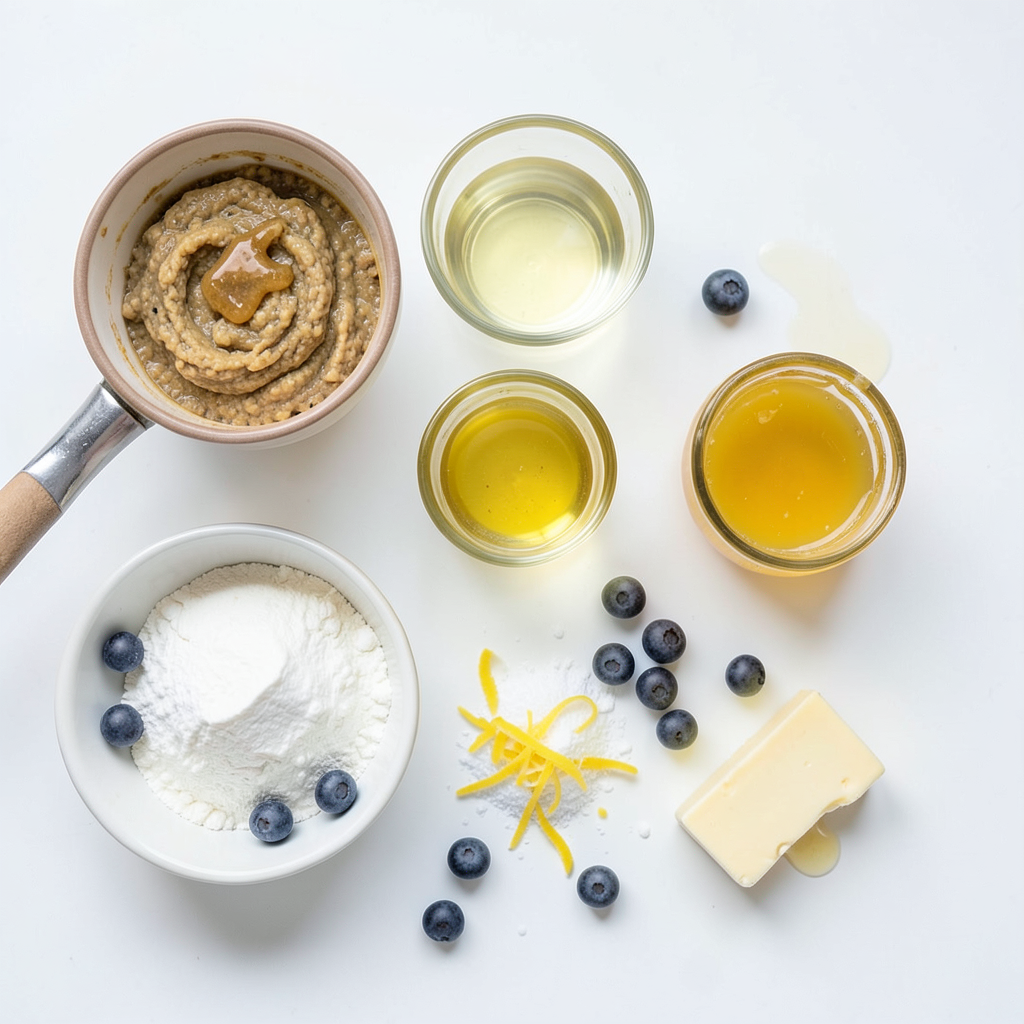
These main ingredients make the base for our lemon blueberry sourdough bread. The sourdough starter gives depth and texture. Warm water helps activate the starter. Honey adds a touch of sweetness.
Key Flavor Additions
- Zest of 1 large lemon
- Juice of 1 large lemon
- 1 cup fresh blueberries
The lemon zest brings a bright aroma, while the juice enhances the bread's flavor. Fresh blueberries add a burst of sweetness. You can use frozen blueberries if fresh ones are not available.
Optional Ingredients
- 2 tablespoons unsalted butter
- Extra flour for dusting
Butter adds richness to the dough. Dusting flour helps during kneading and shaping. These optional ingredients can elevate the bread's texture and taste.
Step-by-Step Instructions
Preparing the Starter Mixture
In a medium bowl, mix 1 cup of active sourdough starter, 1 cup of warm water, and 1 tablespoon of honey. Stir until the honey dissolves. This mixture helps create a good rise.
Mixing Dry Ingredients
In a large bowl, whisk together 3 cups of all-purpose flour and 1 teaspoon of salt. Add the zest and juice of 1 lemon. Mix well to ensure even flavor. Then, pour in the sourdough starter mixture. This gives the bread its unique taste.
Forming and Kneading the Dough
Stir the ingredients until a shaggy dough forms. Next, add 2 tablespoons of melted butter. Carefully fold in 1 cup of blueberries. This adds color and flavor. Transfer the dough to a floured surface and knead for 5-7 minutes. Aim for a soft, elastic texture.
Rising Periods
Place the kneaded dough in a greased bowl. Cover it with a damp towel. Let it rise for 4-6 hours at room temperature. The dough should double in size. Once it has risen, gently deflate the dough and shape it into a round loaf.
Cover the loaf with a towel for the second rise. Let it rest for 1 hour. Preheat your oven to 450°F (230°C) during this time.
Baking the Bread
Preheat a Dutch oven with its lid in the oven for 30 minutes. This step creates steam, which helps the bread rise. Carefully remove the hot Dutch oven. Using parchment paper, lift the dough and place it inside. Cover with the lid and bake for 30 minutes.
After 30 minutes, remove the lid. Bake for an additional 15-20 minutes. Look for a beautiful golden brown top. Once done, let the bread cool on a wire rack for at least 30 minutes before slicing. This helps keep it soft.
Tips & Tricks
Achieving the Perfect Texture
To get the best texture, kneading is key. You need to knead the dough for about 5-7 minutes. This helps develop gluten, which gives the bread its soft and chewy feel. After kneading, let the dough rest. Resting lets the gluten relax, helping the bread rise better.
Preventing Overproofing
Watch the dough as it rises. If you leave it too long, it can overproof. This means the dough gets too airy and may collapse. Aim for a rise time of 4-6 hours for the first rise. The dough should double in size but not overflow. Keep an eye on it, and trust your senses.
Ensuring Even Blueberry Distribution
To mix blueberries evenly, fold them in gently. When you add the melted butter, pour it over the dough first. Then, add blueberries and fold them in with care. This helps keep them whole and spreads their flavor throughout the bread. Avoid smashing the berries to keep the texture just right.
Pro Tips
- Use Fresh Ingredients: Fresh blueberries and high-quality flour can significantly enhance the flavor and texture of your bread.
- Monitor Rising Time: The rise time can vary based on the temperature of your kitchen. Keep an eye on the dough and look for it to double in size rather than strictly timing it.
- Steam for a Crusty Exterior: Preheating the Dutch oven helps create steam when baking, which is essential for achieving a crispy crust.
- Slice with Care: Allow the bread to cool completely before slicing to prevent it from becoming gummy and to maintain its soft texture.
Variations
Alternative Ingredients
You can change the fruits in this recipe. Try raspberries or strawberries. Both add great flavor. You can also use other citrus zest, like lime or orange. This will give a new twist to your bread. For a fun flavor kick, add a bit of vanilla extract or almond extract. These small changes can make a big difference.
Gluten-Free Option
If you need a gluten-free bread, you can use gluten-free flour. Look for a blend made for bread. It helps create the right texture. Mix the flour with the same amount of liquid. Keep an eye on the dough. You may need to add extra water for a good consistency. Follow the same steps in the recipe. Your bread will still be soft and tasty!
Making Mini Loaves
To make mini loaves, divide the dough into smaller pieces. Each piece should be about the size of a large orange. Shape them into small rounds and place them on a baking sheet. You will need to adjust the baking time. Bake the mini loaves for about 20-25 minutes. Check them for a golden top. They make great gifts or snacks!
Storage Info
Best Way to Store Bread
Store your lemon blueberry sourdough bread at room temperature. Use a bread box or a paper bag. This keeps the crust crispy and the inside soft. Avoid plastic bags, as they trap moisture and make the bread soggy. If you live in a humid area, check the bread often. If you see mold, it’s time to toss it.
Freezing Instructions
To freeze your sourdough bread, let it cool completely. Slice the bread into pieces for easy use. Wrap each slice tightly in plastic wrap. Then, place the wrapped slices in a freezer bag. Press out as much air as you can before sealing. This helps prevent freezer burn. The bread can last in the freezer for up to three months.
Reheating Tips
To bring back the soft texture of your bread, try these methods:
- Oven: Preheat your oven to 350°F (175°C). Place the slices on a baking sheet. Heat for 10-15 minutes until warm.
- Microwave: Wrap a slice in a damp paper towel. Heat for 10-15 seconds. Check to avoid overheating.
- Toaster: For a quick fix, toast the slices until they are warm and slightly crisp.
Using these methods helps maintain that delightful softness and flavor.
FAQs
Can I use frozen blueberries in the recipe?
Yes, you can use frozen blueberries! They work well in this bread. When using frozen fruit, don't thaw them first. This helps keep the dough from turning blue. Just fold them in gently to avoid breaking them apart. You might notice a little extra juice, but it adds flavor.
How do I know when the bread is fully baked?
You can check if the bread is done by tapping the bottom. If it sounds hollow, it’s ready. Another way is to check the color. It should be a nice golden brown. Use a food thermometer if you have one. The center should read about 200°F (93°C).
What's the best way to slice sourdough bread?
To slice sourdough bread well, let it cool first. Use a sharp bread knife. Start at one end and cut straight down. Avoid sawing back and forth. This keeps the shape and texture. If you want even slices, use a bread slicer or a guide.
This article covered making delicious sourdough blueberry bread. You learned about key ingredients like sourdough starter, fresh blueberries, and lemon for flavor. I shared step-by-step instructions to mix, rise, and bake your bread perfectly. You also found tips to achieve the right texture and ways to adapt the recipe. Remember, whether you make mini loaves or freeze extra slices, this recipe is flexible. Enjoy baking and savoring your homemade bread!