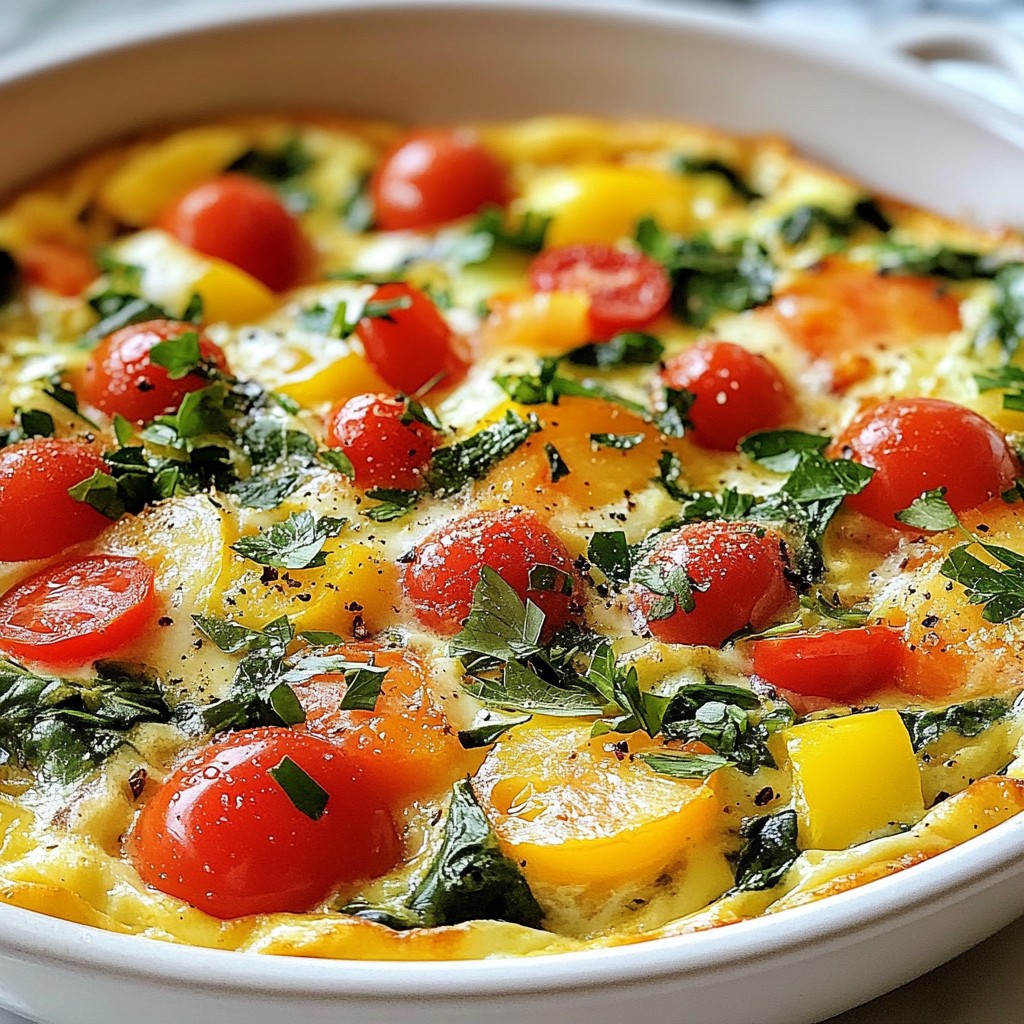
Are you ready to elevate your brunch game? This Savory Brunch Herb and Cheese Frittata is the perfect dish for lazy weekends or special gatherings. Packed with flavors from fresh herbs and creamy cheese, it's easy to make and customize. Whether you're a beginner or a pro in the kitchen, my step-by-step guide will ensure your frittata turns out perfect every time. Let’s dive into this delicious recipe!
Why I Love This Recipe
- Fresh Ingredients: This frittata is packed with fresh vegetables and herbs, making it a vibrant and nutritious option for any meal.
- Versatile Options: You can easily customize this recipe with your favorite seasonal vegetables and cheeses, creating a unique dish every time.
- Quick and Easy: With just a 30-minute prep and cook time, this frittata is perfect for a last-minute brunch or weekday breakfast.
- Beautiful Presentation: The colorful layers of veggies and herbs make this frittata not only delicious but also visually appealing, perfect for serving guests.
Ingredients
Essential Ingredients for Frittata
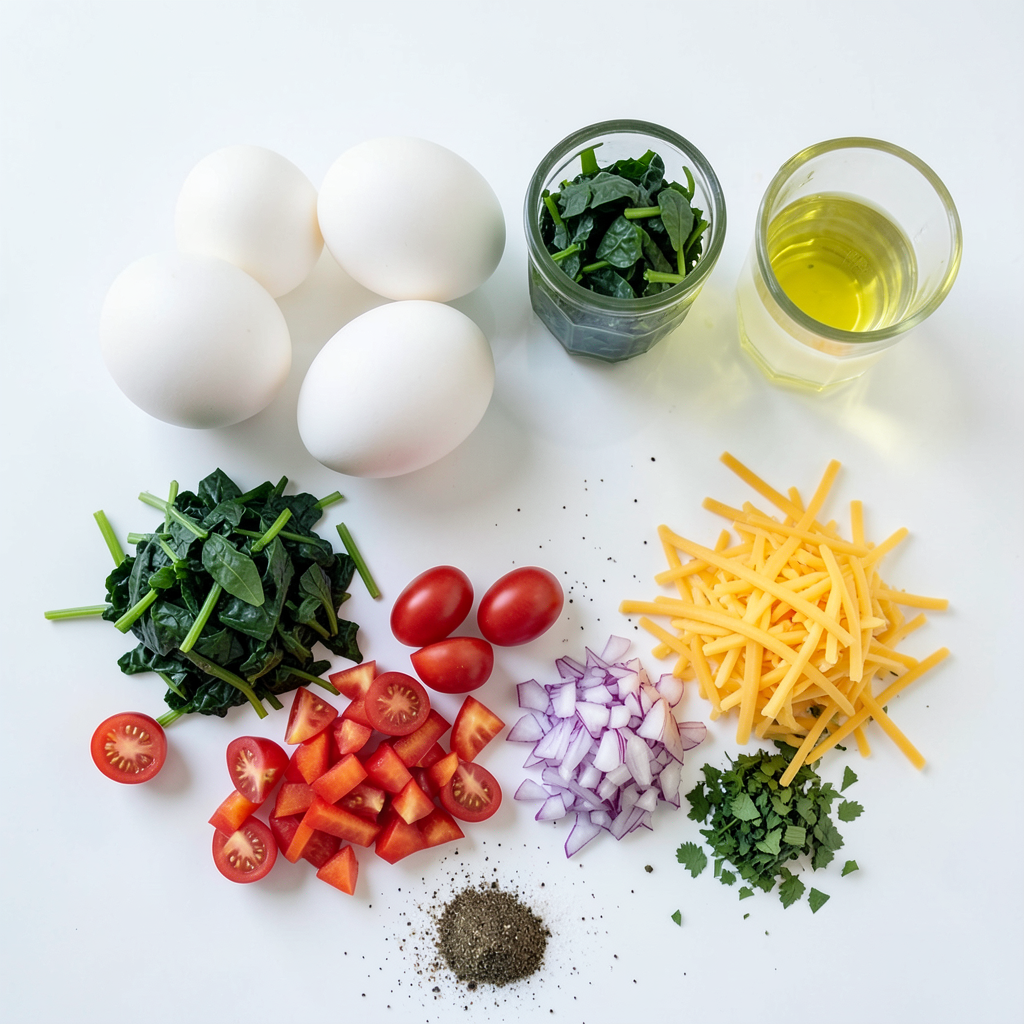
To make a great frittata, you need a few key items. Gather these essentials:
- 6 large eggs
- 1/4 cup whole milk
- 1 cup fresh spinach, roughly chopped
- 1/2 cup cherry tomatoes, cut in half
- 1/2 cup bell peppers, diced
- 1/4 cup red onion, finely diced
- 1 cup shredded cheese (sharp cheddar or feta)
- 1/4 cup fresh herbs, finely chopped
- Salt and freshly cracked black pepper, to taste
- 2 tablespoons extra virgin olive oil
These ingredients come together to create a rich and flavorful dish.
Optional Ingredients for Customization
You can play with the flavors by adding optional ingredients. Here are some ideas:
- Cooked bacon or sausage for a meaty twist
- Zucchini or mushrooms for extra veggies
- Different cheese like mozzarella or goat cheese
- A sprinkle of chili flakes for heat
Feel free to mix and match based on what you love or have on hand.
Herb Choices and Their Flavor Profiles
Herbs add freshness and depth to your frittata. Here are some great options:
- Basil: Sweet and aromatic, perfect for a classic flavor.
- Parsley: Bright and slightly peppery, adds a clean taste.
- Dill: Light and tangy, pairs well with eggs.
Experiment with these herbs. Each brings a unique taste. You can even blend them for a more complex flavor profile.
Step-by-Step Instructions
Prepping the Oven and Skillet
First, you need to preheat your oven to 375°F (190°C). This temperature helps cook the frittata evenly. While it heats, grab an oven-safe skillet. A cast-iron or non-stick skillet works best. Add two tablespoons of extra virgin olive oil to the skillet. This oil keeps your frittata from sticking and adds a nice flavor.
Whisking the Egg Mixture
Next, take a large mixing bowl. Crack six large eggs into the bowl. Pour in a quarter cup of whole milk. Use a whisk to mix the eggs and milk. Beat until it looks smooth and a little frothy. Then, sprinkle in some salt and freshly cracked black pepper. This step boosts the taste of your frittata.
Incorporating Vegetables and Cheese
Now, it’s time to add flavor. Fold in one cup of roughly chopped fresh spinach, half a cup of halved cherry tomatoes, half a cup of diced bell peppers, and a quarter cup of finely diced red onion. Stir gently so every veggie mixes well. After that, add one cup of shredded cheese. You can use sharp cheddar or tangy feta. Mix it in to combine all the ingredients.
Cooking on the Stovetop
Heat the skillet on medium heat. Once the olive oil shimmers, pour in your egg and veggie mixture. Let it cook without stirring for about 3-5 minutes. You will see the edges starting to set. This is a good sign that your frittata is on the right track.
Baking to Perfection
Carefully move the skillet to your preheated oven. Bake it for 15-20 minutes. Check if it’s done by looking for a light golden top and a set center. If it looks good, it’s ready to come out!
Serving Suggestions and Presentation Tips
Let the frittata cool for a few minutes. Then, slice it into wedges. For a lovely presentation, garnish each piece with more fresh herbs. You can serve it with a side of mixed greens. This adds color and freshness to your brunch table. Enjoy your delicious herb and cheese frittata!
Tips & Tricks
Perfecting the Frittata Texture
To make a great frittata, focus on the texture. Start with fresh eggs. Fresh eggs whip up fluffier. Use a whisk to beat the eggs and milk until smooth. This helps add air. The air creates a light and fluffy frittata. Be careful not to overmix after adding the veggies. You want a nice blend but don’t need to beat it too much.
Best Cooking Techniques for Even Cooking
Use an oven-safe skillet for cooking. This helps to cook the frittata evenly. Heat the skillet over medium heat before adding the egg mixture. Let it sit for 3-5 minutes until the edges begin to set. This step locks in moisture and flavor. When you transfer the skillet to the oven, the frittata cooks fully, giving it a soft center and golden top.
Flavor Enhancements and Seasoning
Seasoning is key to a tasty frittata. Use salt and pepper to boost the flavor. Fresh herbs like basil or parsley add a bright taste. Don’t skip the cheese! It adds richness and depth. Try sharp cheddar for a bold flavor or feta for something tangy. You can also experiment with spices like paprika or garlic powder to create unique twists.
Pro Tips
- Use Fresh Ingredients: For the best flavor, opt for fresh vegetables and herbs. Fresh spinach, ripe tomatoes, and vibrant bell peppers will elevate the dish significantly.
- Whisk Well: Ensure your egg mixture is well whisked for a light and fluffy frittata. The more air you incorporate, the fluffier it will be after baking.
- Experiment with Cheese: Don’t hesitate to mix different types of cheese for a unique flavor profile. Combining sharp cheddar with creamy feta can create a delicious contrast.
- Let It Rest: Allow your frittata to cool for a few minutes before slicing. This helps it set better, making it easier to cut and serve without crumbling.
Variations
Vegetarian Frittata Options
You can easily make a vegetarian frittata. Simply swap the meat for more veggies. Try adding mushrooms, zucchini, or asparagus. These vegetables add great flavor and texture. You can also use different herbs, like thyme or chives, for a new twist. Experiment with various cheeses, like mozzarella or goat cheese, for unique tastes.
Meat Additions for a Heartier Dish
If you want a heartier frittata, consider adding meat. Cooked bacon, sausage, or ham works well. Just chop the meat into small pieces. Fold it into the egg mixture with the veggies. The meat adds richness and depth to the dish. Make sure to adjust the seasoning to balance the flavors.
Dairy Alternatives for Health-Conscious Diets
For those looking for dairy-free options, there are great alternatives. Use almond milk or oat milk instead of whole milk. You can also try dairy-free cheese if you want to keep it cheesy. Nutritional yeast is a fantastic option, too. It adds a cheesy flavor without the dairy. These swaps keep the dish light and healthy without losing taste.
Storage Info
Proper Storage Techniques for Leftovers
To keep your frittata fresh, store it in an airtight container. You can leave it at room temperature for up to two hours. After that, place it in the fridge. Frittata lasts for about 3 to 4 days in the refrigerator. Make sure it cools completely before sealing the container to avoid moisture buildup.
Reheating Tips to Maintain Flavor and Texture
When reheating your frittata, aim for gentle heat. The oven works best, but you can also use a microwave. If using the oven, preheat it to 350°F (175°C). Place the frittata on a baking sheet and cover it with foil. Heat for about 10 to 15 minutes. If using a microwave, heat individual slices on a microwave-safe plate for 30 seconds. Check if it’s warm enough. If not, add more time in short bursts to avoid overcooking.
Freezing Frittata for Future Meals
You can freeze frittata if you want to save it for later. First, cool the frittata completely. Cut it into individual slices for easy use. Wrap each slice tightly in plastic wrap, then place them in a freezer-safe bag. Label the bag with the date. Frittata can stay fresh in the freezer for up to 3 months. To reheat, let it thaw in the fridge overnight before using the oven or microwave. Enjoy your frittata anytime!
FAQs
How long can I store leftovers?
You can store leftovers in the fridge for about 3 to 4 days. Make sure to place the frittata in an airtight container. This helps keep it fresh and tasty.
Can I prepare frittata in advance?
Yes, you can prepare frittata in advance. Cook it fully, let it cool, and store it in the fridge. Just reheat it in the oven or microwave when ready to eat.
What can I use instead of eggs for a vegan option?
For a vegan frittata, use chickpea flour mixed with water. Combine 1 cup of chickpea flour with 1 cup of water. Add seasonings to match the flavor of eggs. This creates a similar texture.
Can I use frozen vegetables in the frittata?
Yes, you can use frozen vegetables. Just thaw and drain them first. This helps keep the frittata from becoming too watery. Frozen veggies can be a great time-saver.
What are the best herbs to complement the flavors?
Great herbs for frittata include basil, parsley, and dill. You can mix and match them based on your taste. Fresh herbs add brightness and flavor, making your frittata even better.
You now know how to make a great frittata. We covered key ingredients and steps. I shared tips for perfect texture and flavor. Plus, you learned about variations, storage, and reheating.
Frittatas are simple, tasty, and versatile. You can mix flavors and ingredients as you please. Enjoy experimenting with your own creations! A great frittata awaits you in your kitchen.