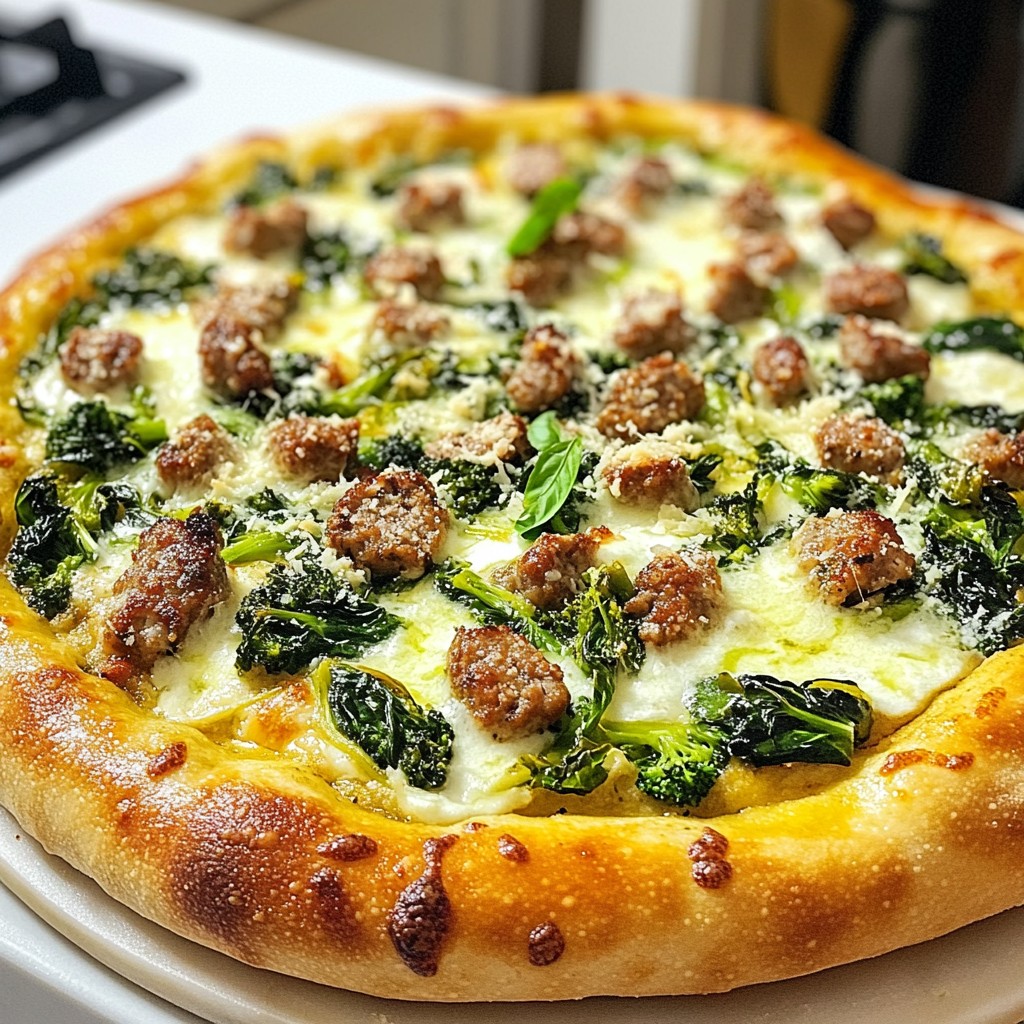
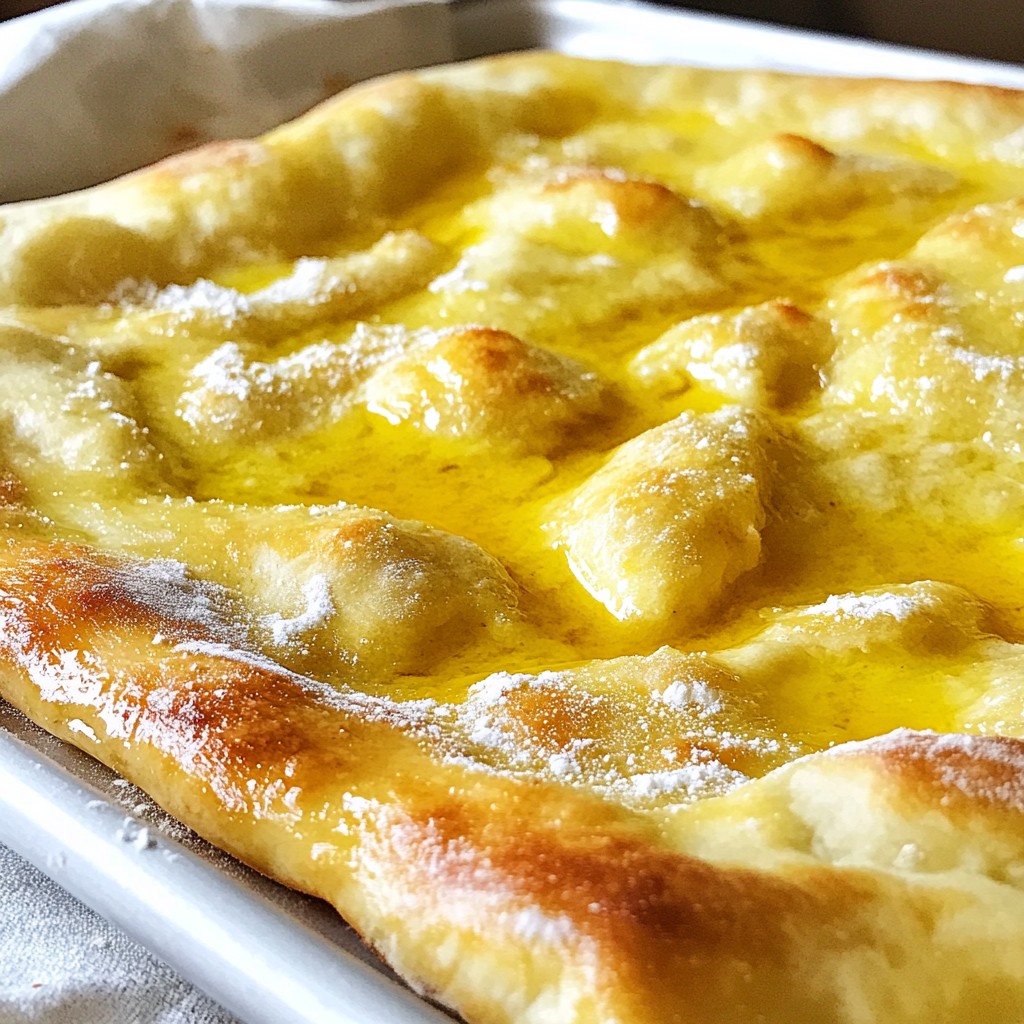
Craving pizza but short on time and yeast? You’re not alone! Today, I’ll share my simple, quick no-yeast pizza dough recipe that’s perfect for busy days. With just a few basic ingredients, you can whip up a tasty crust in no time. Whether you're a seasoned chef or a kitchen newbie, I’ll guide you step-by-step. Let's dive into making your favorite pizza today!
Why I Love This Recipe
- Quick and Easy: This no-yeast pizza dough can be prepared in just 10 minutes, making it perfect for those last-minute cravings.
- Customizable: You can easily personalize your pizza with your favorite sauces and toppings, allowing for endless combinations.
- No Special Ingredients: All the ingredients are pantry staples, so you won’t need to make a special trip to the store.
- Crispy Crust: Baking at high temperatures gives you a deliciously crispy crust that rivals traditional pizza dough.
Ingredients
Essential Ingredients for Quick No-Yeast Pizza Dough
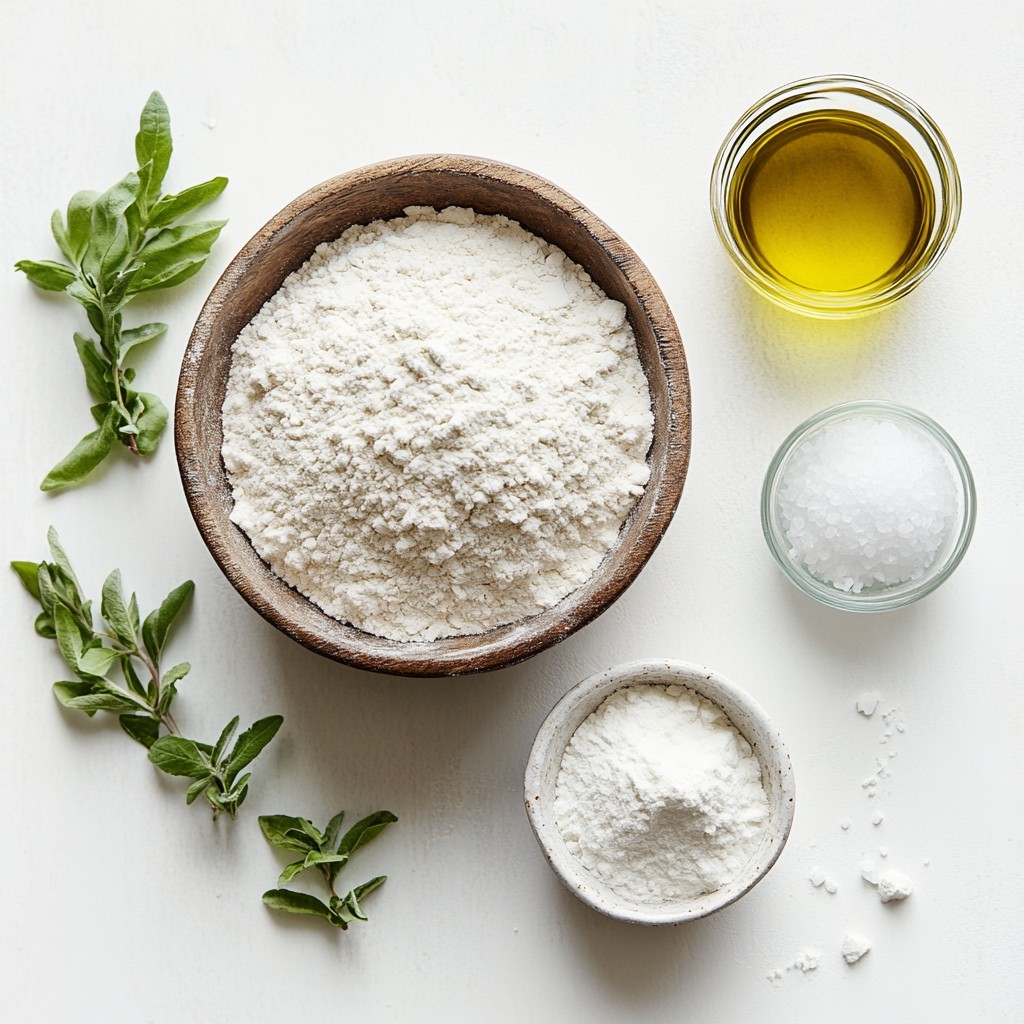
To make this easy pizza dough, you need:
- 2 cups all-purpose flour
- 1 tablespoon baking powder
- 1 teaspoon salt
- 1 tablespoon olive oil
- 3/4 cup water (adjust as needed)
These ingredients form the base of your dough. The flour gives structure. Baking powder helps it rise. Salt adds flavor. Olive oil makes the dough soft. Water brings it all together.
Optional Flavor Enhancers
For extra taste, you can add:
- 1 teaspoon dried oregano
- 1 teaspoon garlic powder
These herbs boost the flavor of your crust. You can mix and match other spices too. Feel free to get creative!
Measurement Guide
When measuring, it’s best to use dry measuring cups for flour. Scoop the flour into the cup, then level it with a knife. This way, you get the right amount. For liquids, use a liquid measuring cup. Pour the water and oil in until the measurement is correct. Accurate measuring leads to better dough!
Step-by-Step Instructions
Preheating the Oven
Start by preheating your oven to 450°F (230°C). If you own a pizza stone, place it in the oven now. Heating the stone helps create a crisp crust.
Mixing Dry Ingredients
In a big mixing bowl, add 2 cups of all-purpose flour, 1 tablespoon of baking powder, and 1 teaspoon of salt. If you want more flavor, add 1 teaspoon of dried oregano and 1 teaspoon of garlic powder. Use a whisk to mix well until no lumps are left.
Forming the Dough
Make a well in the center of your dry mix. Pour in 1 tablespoon of olive oil and 3/4 cup of water. Stir with a fork or spoon until it becomes a soft dough. If it looks too dry, add a little more water, one tablespoon at a time.
Kneading Technique
Transfer the dough to a floured surface. Knead it gently for about 2-3 minutes. You want it to be smooth and elastic. If it feels sticky, add more flour to your hands and the surface as needed.
Rolling Out the Dough
Use a rolling pin or your hands to stretch the dough to about 1/4 inch thick. Place it on a parchment-lined baking sheet or on a floured pizza peel if you’re using a pizza stone.
Baking Instructions
Now, spread your favorite pizza sauce over the dough. Add your choice of toppings to make it your own! Place the pizza in the oven and bake for 10-15 minutes. The crust should be golden brown, and cheese should melt if you used it. After baking, let it cool for a minute before slicing. Enjoy your homemade pizza!
Tips & Tricks
How to Achieve the Perfect Texture
To get the best pizza dough, start with fresh flour. Use all-purpose flour for a great base. Mix the dry ingredients well to avoid lumps. When adding water, use room temperature water. This helps the dough come together smoothly. If the dough feels too dry, add water slowly. Knead the dough until it feels smooth and elastic. This will make your crust soft yet sturdy.
Common Mistakes to Avoid
One common mistake is adding too much water. Too much water makes the dough sticky. If your dough is sticky, add a little flour. Another mistake is not kneading enough. Kneading helps develop gluten, which gives texture. Make sure to roll your dough evenly. If it's too thick, the crust won't cook well. Lastly, don’t skip preheating your oven. This step ensures a crispy crust.
Presentation Tips for Your Pizza
Presentation makes your pizza look tasty and inviting. After baking, let the pizza cool for a minute. This helps the cheese set a bit. Use fresh basil for a pop of color. A drizzle of balsamic glaze adds a gourmet touch. Slice your pizza into even wedges for a nice look. Serve it hot on a wooden board for that rustic feel. Enjoying your pizza is all about the details!
Pro Tips
- Use a Pizza Stone: Preheating a pizza stone in your oven will help achieve a crispy crust, as it retains heat better than a baking sheet.
- Experiment with Flavors: Don’t hesitate to add herbs and spices to the dough, such as dried basil or red pepper flakes, for an extra flavor boost.
- Roll Evenly: Try to roll the dough evenly to ensure uniform cooking. Thicker areas may remain doughy while thinner spots could burn.
- Let it Rest: Allowing the dough to rest for a few minutes after kneading can help relax the gluten, making it easier to shape and stretch.
Variations
Herb-Infused Dough Options
You can boost the flavor of your dough by adding herbs. Dried oregano and garlic powder work well. You can also try dried basil or thyme. Mix one teaspoon of your chosen herb into the dry ingredients. This small change makes a big difference in taste.
Gluten-Free Alternatives
If you need a gluten-free option, use a gluten-free flour blend. Look for one that has xanthan gum. This helps the dough hold together. Use the same measurements as the all-purpose flour. You may need to add more water for the right texture.
Unique Topping Combinations
Get creative with your toppings! Besides the classic tomato sauce and cheese, try unique flavors. Consider pesto with goat cheese and sun-dried tomatoes. Or, use a white sauce with spinach and feta cheese. Sweet options like apple slices with brie also work well. Mix and match to find your favorite.
Storage Info
How to Store Unbaked Dough
You can store unbaked dough in the fridge. Wrap it tightly in plastic wrap. This keeps it fresh for up to two days. If you want to store it longer, freeze it instead. Place the wrapped dough in a freezer bag. It can last for up to three months. Just remember to thaw it in the fridge before using.
Storing Leftover Cooked Pizza
If you have leftover pizza, let it cool first. Then, wrap each slice in plastic wrap. You can also place slices in an airtight container. This keeps the pizza fresh for up to three days in the fridge. If you want to keep it longer, freeze the slices. Just use a freezer bag or wrap them well. Frozen pizza can last for up to two months.
Reheating Instructions
To reheat your pizza, preheat your oven to 375°F (190°C). Place the slices on a baking sheet. Heat them for about 10-15 minutes. This will make the crust crispy again. You can also use a skillet for a quick fix. Just heat it over medium heat for 5-7 minutes. Cover the skillet to help melt the cheese. Enjoy your tasty pizza!
FAQs
Can I use whole wheat flour instead of all-purpose?
Yes, you can use whole wheat flour. It will change the dough's texture. Whole wheat flour gives a nuttier flavor. You may need to add a bit more water. Start with the same amount and adjust as needed.
How do I make the dough without a mixer?
You can easily make this dough by hand. First, mix your dry ingredients in a bowl. Then, add olive oil and water. Use a fork to stir until it forms a dough. Transfer it to a floured surface and knead for a few minutes.
What is the best way to freeze no-yeast pizza dough?
To freeze, wrap the dough tightly in plastic wrap. Place it in a freezer bag to avoid freezer burn. Label the bag with the date. When ready to use, thaw it in the fridge overnight.
Can I make this dough ahead of time?
Yes, you can prepare the dough ahead of time. Make it and store it in the fridge. Use it within 2 days for the best taste. Just let it sit at room temperature for 15 minutes before rolling it out.
You learned how to make quick no-yeast pizza dough using simple steps. We covered essential ingredients, from basics to tasty add-ins. I shared tips on texture and common mistakes to avoid. You can also explore fun variations and storage ideas.
By trying these methods, you can enjoy homemade pizza that suits your taste. Happy baking!