If you crave sushi but dread the hassle of cooking rice, I have great news! You can make perfectly cooked sushi rice using your Instant Pot. No more guesswork or sticky messes. This guide will walk you through the simple ingredients, easy steps, and helpful tips. Say goodbye to uneven rice and hello to delightful sushi rolls, every single time. Let’s dive into the world of Instant Pot sushi rice!
Why I Love This Recipe
- Easy to Make: This Instant Pot sushi rice recipe simplifies the sushi-making process, allowing anyone to enjoy homemade sushi without the hassle.
- Perfect Texture: Rinsing the rice and using the Instant Pot ensures a sticky and fluffy texture, ideal for rolling sushi or serving as a side dish.
- Flavorful Addition: The combination of rice vinegar, sugar, and salt creates a beautifully balanced flavor that enhances the sushi experience.
- Versatile Base: This sushi rice can be used not just for sushi rolls, but also as a delicious side dish for various Asian recipes.
Ingredients
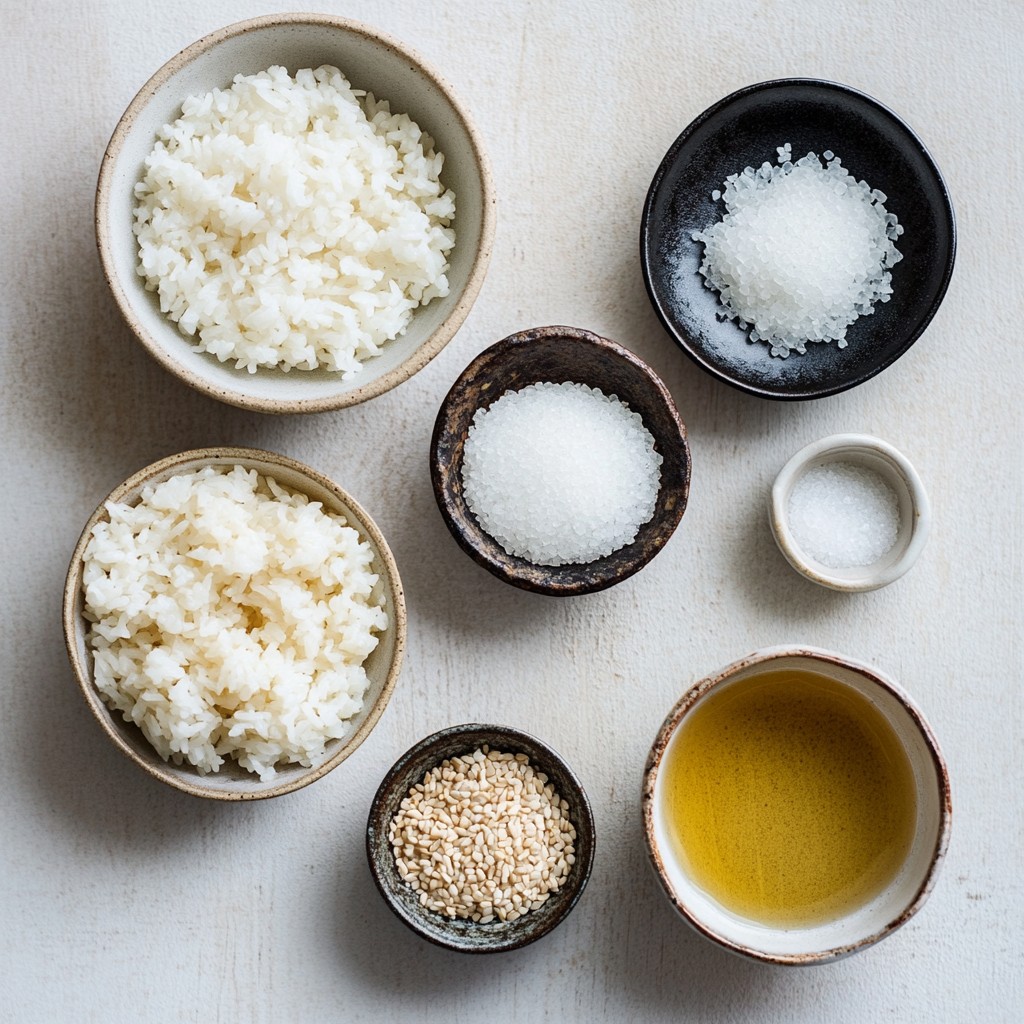
List of Ingredients
- 2 cups sushi rice
- 2 1/4 cups water
- 1/4 cup rice vinegar
- 2 tablespoons sugar
- 1 teaspoon salt
- 1 tablespoon sesame oil (optional)
Ingredient Substitutions
You can swap sushi rice for short-grain rice if needed. This will give you a similar texture. For rice vinegar, use apple cider vinegar or white vinegar. If you want a different sweetener, try honey or agave. You can leave out the sesame oil if you prefer a lighter taste.
Importance of Quality Ingredients
Using good ingredients makes a big difference in taste. Sushi rice is sticky and holds together well, perfect for sushi rolls. Fresh rice vinegar adds a bright flavor that enhances the dish. Quality sugar helps balance the vinegar's acidity, giving a pleasant taste. Always choose ingredients that are fresh and high-quality for the best results.
Step-by-Step Instructions
Rinsing the Sushi Rice
Start by rinsing the sushi rice. Place 2 cups of sushi rice in a fine-mesh strainer. Run cold water over the rice. Swirl it gently. Keep rinsing until the water runs clear. This step is very important. Rinsing removes excess starch. It helps the rice become sticky and fluffy.
Cooking in the Instant Pot
Once rinsed, transfer the rice to the Instant Pot. Pour in 2 1/4 cups of water. Spread the rice evenly across the bottom. Close the lid securely. Make sure the pressure valve is set to Sealing. Select the Rice setting. If your pot doesn’t have it, use manual pressure cooking for 6 minutes.
After the cooking time is up, let the pot release pressure naturally for about 10 minutes. This helps the rice finish cooking evenly. After 10 minutes, switch the valve to Venting to release any remaining pressure. Carefully open the lid.
Fluffing and Seasoning the Rice
Use a rice paddle or fork to fluff the rice gently. Be careful not to break the grains. This keeps the rice light and airy. In a small bowl, mix 1/4 cup of rice vinegar, 2 tablespoons of sugar, and 1 teaspoon of salt. Stir until the sugar and salt dissolve.
For extra flavor, add 1 tablespoon of sesame oil. Drizzle this mixture over the warm sushi rice. Use a gentle cutting motion to fold it in. This helps spread the flavors evenly without mashing the rice. Let the rice cool a bit before you use it for sushi rolls or as a side dish.
Tips & Tricks
Achieving the Perfect Sushi Rice Texture
To get sushi rice just right, start by rinsing it well. Rinsing removes extra starch. This helps the rice stay sticky but fluffy. Use a fine-mesh strainer and cold water. Swirl the rice until the water runs clear, about 2-3 minutes.
Next, the water-to-rice ratio is key. For every 2 cups of sushi rice, use 2 1/4 cups of water. This balance helps cook the rice evenly.
After cooking, let the rice rest. Natural release in the Instant Pot for 10 minutes works best. This step lets the rice finish cooking. It helps the texture become perfect for sushi.
Common Mistakes to Avoid
A few common mistakes can ruin your sushi rice. First, don’t skip the rinsing step. If you skip this, the rice will be too sticky.
Also, be careful with the cooking time. Cooking for too long can make the rice mushy. Stick to the 6-minute timer for best results.
Finally, when mixing in the vinegar, be gentle. Use a cutting motion with a rice paddle. This keeps the grains intact and fluffy.
Serving and Presentation Ideas
Serving sushi rice well makes a big difference. Use a beautiful wooden sushi bowl or a decorative dish. This adds a nice touch to your meal.
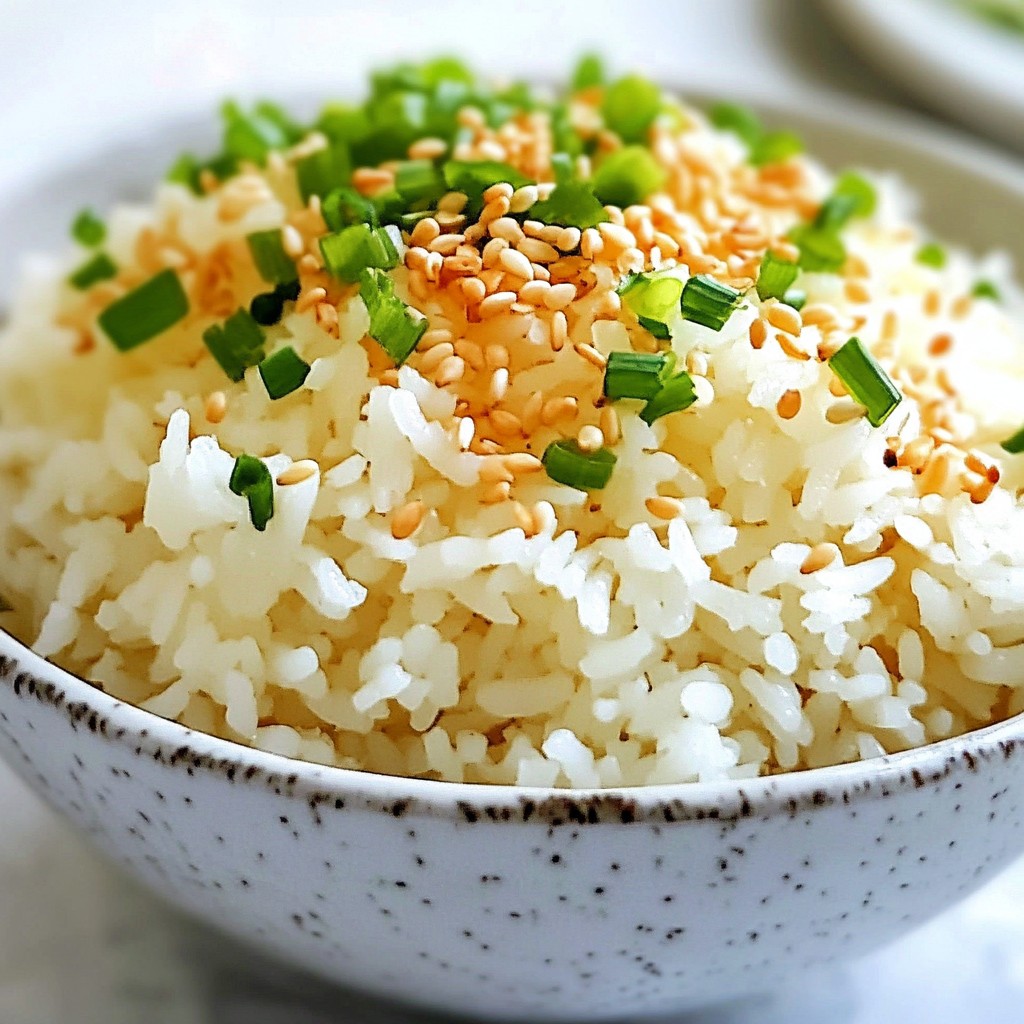
For garnish, consider toasted sesame seeds or finely sliced green onions. These add flavor and make your dish look great.
You can also serve sushi rice as a side dish. Pair it with fresh vegetables or grilled fish for a delicious meal.
Pro Tips
- Rinse Thoroughly: Make sure to rinse the sushi rice well until the water runs clear to remove excess starch; this step is key for achieving the ideal sticky texture.
- Natural Release: Allowing the Instant Pot to undergo a natural release helps the rice finish cooking gently, ensuring a fluffy texture without becoming mushy.
- Vinegar Mixture: Mix the vinegar, sugar, and salt while the rice is still warm to help the flavors absorb better and enhance the overall taste of the sushi rice.
- Cooling Technique: After mixing in the vinegar, spread the rice out in a shallow dish to cool evenly, making it easier to handle when rolling sushi.
Variations
Flavored Sushi Rice
You can add fun flavors to your sushi rice. Try mixing in some herbs or spices. For a citrus twist, add a bit of lemon or lime zest. For a savory touch, mix in some finely chopped scallions. You can even stir in some wasabi for a spicy kick. These small changes can turn plain sushi rice into something special.
Brown Rice Sushi Variation
If you want a healthier option, use brown rice instead of sushi rice. Brown rice is more nutritious but needs a bit more time to cook. Use 2 1/2 cups of water for 2 cups of brown rice. Set your Instant Pot for 22 minutes instead of 6. Follow all other steps the same way. The result will be a chewier, nutty flavor that works well in sushi.
Vegan Sushi Rice Options
To make vegan sushi rice, stick to the basic recipe. You can leave out the sesame oil if you want. Instead, try adding a splash of tamari or soy sauce for extra taste. Mix in some fresh herbs like cilantro or basil for a fresh touch. This way, you keep the rice flavorful while keeping it plant-based.
Storage Info
How to Store Leftover Sushi Rice
After you enjoy your sushi, you may have some rice left over. Store it in an airtight container. This keeps it fresh and prevents it from drying out. Place it in the fridge if you plan to eat it within a few days. Sushi rice stays good for about three days in the fridge. Make sure to cool it down to room temperature before storing.
Reheating Instructions
To reheat sushi rice, avoid using the microwave alone. It can dry out the rice. Instead, place the rice in a pot with a splash of water. Cover the pot and heat it over low heat. Stir occasionally to ensure even warming. This method keeps the rice moist and fluffy. You can also use the microwave if you add a damp paper towel on top. Heat it in short bursts, stirring in between.
Freezing Sushi Rice
If you want to save sushi rice for later, freezing is a great option. Scoop the cooled rice into freezer bags. Make sure to press out as much air as possible before sealing. This helps prevent freezer burn. Label the bags with dates. Sushi rice can last up to three months in the freezer. When you’re ready to use it, thaw it in the fridge overnight. Then, reheat as directed.
FAQs
How long does it take to cook sushi rice in an Instant Pot?
Cooking sushi rice in an Instant Pot takes about 6 minutes. After cooking, let the pot rest for about 10 minutes. This natural release helps the rice finish cooking. The total time from start to finish is around 30 minutes, including prep and waiting time.
Can I use regular rice instead of sushi rice?
You can use regular rice, but it may not give you the same texture. Sushi rice is short-grain and sticky, which helps it hold together in rolls. Regular rice may not have the same stickiness, so your rolls might fall apart. If you want the best results, stick with sushi rice.
What can I do with leftover sushi rice?
Leftover sushi rice has many uses. You can turn it into rice balls, also known as onigiri. Mix it with other ingredients to make a sushi bake. You can also serve it as a side dish or stir it into soups. Get creative with your leftovers, and enjoy the flavors!
You learned about the best ingredients and why they matter for sushi rice. I shared steps to rinse, cook, and season rice. I offered tips to avoid common mistakes and enhance your sushi. We explored fun variations and smart storage options for your leftovers.
Using quality ingredients and paying attention to details will improve your results. Now, you're ready to make delicious sushi rice at home! Enjoy the process and get creative with your dishes.