Honey Buttermilk Skillet Cornbread Delightful Recipe

- 1 cup cornmeal - 1 cup all-purpose flour - 1/4 cup granulated sugar - 1 tablespoon baking powder - 1/2 teaspoon baking soda - 1/2 teaspoon salt - 1 cup buttermilk - 1/4 cup honey - 2 large eggs - 1/4 cup unsalted butter, melted - 1 tablespoon olive oil (for greasing) When I make honey buttermilk skillet cornbread, I use simple, fresh ingredients. Cornmeal gives it that classic texture. All-purpose flour adds lightness. Granulated sugar balances the flavors with a touch of sweetness. Baking powder and baking soda help the bread rise and become fluffy. Salt enhances all the flavors. Buttermilk makes the bread moist and tender. Honey not only sweetens but gives a nice flavor. Eggs provide structure. Finally, melted butter adds richness. Don't forget olive oil for greasing. It helps prevent sticking and adds flavor. - Alternatives for buttermilk: You can use regular milk with a splash of vinegar or lemon juice. This will mimic the tangy taste of buttermilk. - Honey substitutes: Maple syrup or agave nectar work well if you want a different sweetness. - Gluten-free options: Use a gluten-free flour blend instead of all-purpose flour. These swaps can change the taste and texture, but the cornbread will still be delicious. - How to measure cornmeal and flour correctly: Use a spoon to scoop flour or cornmeal into a measuring cup. Level it off with a knife for the right amount. Don’t pack it down. - Importance of using the right measuring tools: Use dry measuring cups for dry ingredients. This ensures you get the right amounts. Accurate measurements lead to better results in baking. {{ingredient_image_2}} To start, preheat your oven to 400°F (200°C). Place a 10-inch cast-iron skillet inside. This step is key for a crispy bottom. The heat from the skillet helps the cornbread form a nice crust. Without this, your cornbread might be soft and not as tasty. In a large bowl, combine the cornmeal, all-purpose flour, granulated sugar, baking powder, baking soda, and salt. Use a whisk to mix everything well. Whisking helps break up any lumps and ensures even distribution. This simple step makes your cornbread light and fluffy. In another bowl, whisk the buttermilk, honey, eggs, and melted butter until smooth. Pour this wet mixture into the dry ingredients. Use a spatula or wooden spoon to fold them together gently. Be careful not to overmix. A few lumps are okay! This keeps the cornbread tender and soft. Carefully take the hot skillet out of the oven. Add olive oil and swirl it to coat the bottom. This adds flavor and keeps the cornbread from sticking. Pour the batter into the hot skillet and spread it evenly. Bake for 20-25 minutes. The cornbread is done when the top is golden brown. A toothpick inserted in the center should come out clean. Let the cornbread cool in the skillet for about 10 minutes. This cooling time helps set the texture and makes slicing easier. Once cooled, cut it into wedges and serve warm. Enjoy your delicious honey buttermilk skillet cornbread! To get the best texture, follow these tips: - Use fresh ingredients. Old baking powder can ruin your cornbread. - Don’t overmix the batter. A few lumps are okay; they keep it fluffy. - Ensure your skillet is hot. This helps form a crispy crust. Common mistakes include: - Mixing too much. This makes the cornbread dense. - Skipping the preheat step. A hot skillet is key for that nice bottom. You can make your cornbread even tastier with these ideas: - Add jalapeños for heat. They add a nice kick. - Mix in cheese for a savory touch. Cheddar works great! - Top with honey, butter, or fresh herbs for extra flavor. Try using herbs like rosemary or thyme. They bring a fresh taste to each bite. Cornbread pairs well with many sides: - Serve with chili for a hearty meal. - Enjoy with greens like collard or kale. - Add a side of beans for a filling dish. For special occasions, present it on a wooden board. Drizzle honey over the top or add pats of butter. This makes it look inviting and delicious! Pro Tips Hot Skillet: Always preheat your cast-iron skillet in the oven. This step ensures a crispy crust that adds texture and flavor to the cornbread. Don’t Overmix: When combining wet and dry ingredients, mix just until incorporated. A few lumps are okay; overmixing can lead to a dense cornbread. Cooling Time: Let the cornbread cool in the skillet for about 10 minutes before slicing. This helps to set the texture and makes it easier to cut. Serving Suggestions: Enhance flavor and presentation by drizzling extra honey on top or adding a pat of butter to each warm slice before serving. {{image_4}} You can make cornbread sweet or savory. For a savory twist, add cheese or jalapeños. This adds a nice kick. Cheddar cheese works great. You can use sharp or mild cheese based on your taste. If you want a sweeter version, try using maple syrup instead of honey. Maple syrup gives a rich flavor, perfect for breakfast. If you need a gluten-free option, you can swap the all-purpose flour. Use gluten-free flours like almond flour or rice flour. You may need to mix different flours for the best texture. Baking times may change slightly, so check for doneness by using a toothpick. If it comes out clean, your cornbread is ready! Seasonal ingredients can enhance your cornbread. In fall, try adding pumpkin puree for a warm spice flavor. You can also mix in cranberries for a touch of tartness during the holidays. These additions make your cornbread fun and festive. Feel free to experiment based on what you have at home. To keep your cornbread fresh, place it in an airtight container. This helps avoid dryness. If you don’t have a container, wrap it tightly in plastic wrap. Store it in the fridge for best results. Cornbread tastes great cold or reheated. To freeze your cornbread, let it cool completely first. Cut it into wedges for easy use. Wrap each piece in plastic wrap and then place them in a freezer bag. Make sure to squeeze out any air to avoid freezer burn. When you want to eat it, take a piece out and let it thaw at room temperature. You can reheat it in the oven at 350°F (175°C) for about 10 minutes. It will taste fresh and warm again! Cornbread lasts about 3 to 5 days in the fridge. Make sure it is in a tight container. If you freeze it, it can last for about 2 to 3 months. Just remember to wrap it well. This way, you can enjoy your cornbread later without losing flavor or texture. Yes, you can. If you do not have buttermilk, use milk mixed with vinegar or lemon juice. Just add 1 tablespoon of vinegar or lemon juice to 1 cup of milk. Let it sit for 5-10 minutes. This makes a good substitute. You can also use plain yogurt or sour cream mixed with water. Aim for a similar consistency to buttermilk. To check if your cornbread is ready, look for a golden-brown top. Insert a toothpick into the center. If it comes out clean, your cornbread is done. You can also gently press the top; it should feel firm and springy. If it leaves an imprint, it needs more time. Sure! You can use a square baking dish or a muffin tin. If using a square dish, keep the baking time around 25-30 minutes. For muffins, bake for 15-20 minutes. Just make sure to grease the pans well. This helps prevent sticking and allows for easy serving. This blog post detailed how to make perfect cornbread using simple ingredients. We explored substitutions, measuring tips, and the right techniques for mixing and baking. I shared helpful tricks for achieving the best texture and flavor. You can now try variations that suit your taste and season. Finally, I showed you the best ways to store leftovers and keep them fresh. Enjoy making cornbread your way, and remember to have fun in the kitchen!

WANT TO SAVE THIS RECIPE?

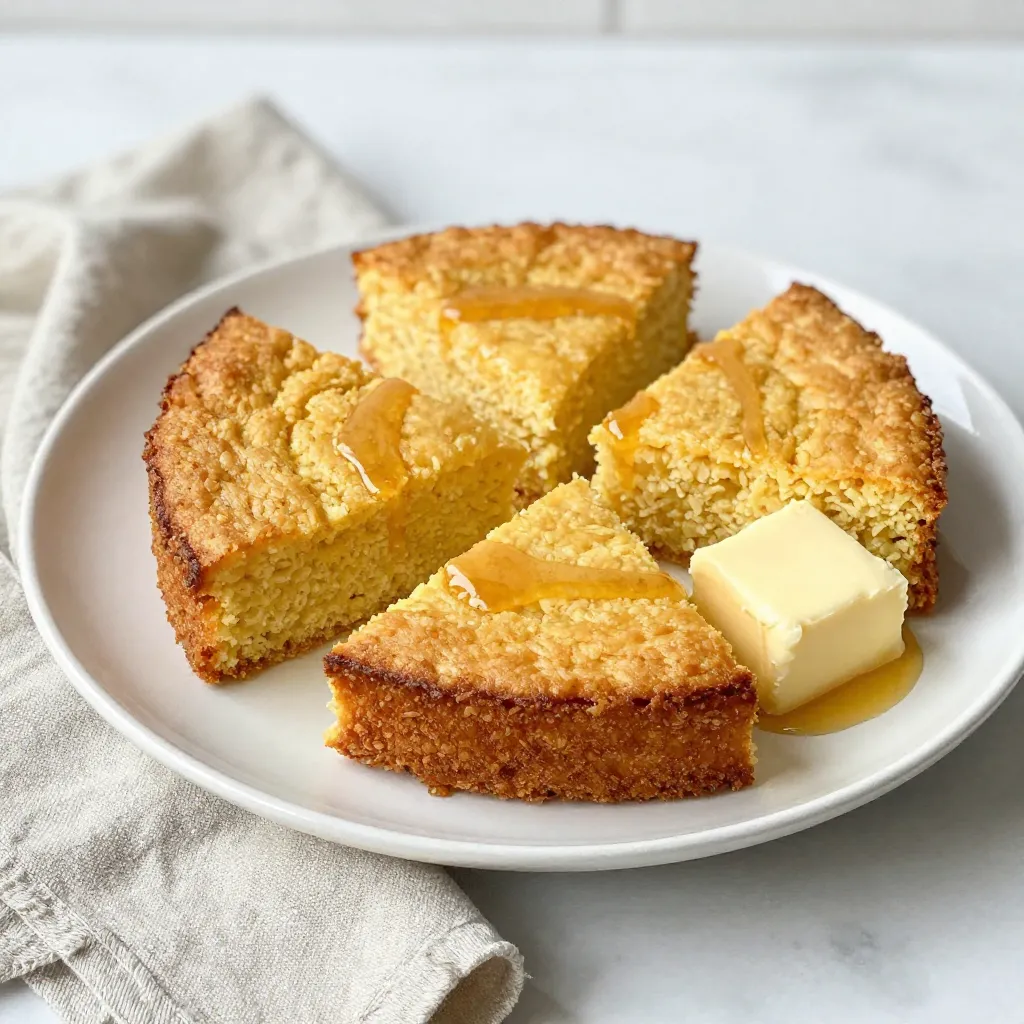
Looking to elevate your cornbread game? Try my Honey Buttermilk Skillet Cornbread! This delightful recipe blends the sweet notes of honey with the tang of buttermilk, delivering a moist, tasty treat. Perfectly baked in a hot skillet, it boasts a crispy crust and a fluffy center. Let me guide you step-by-step to make this crowd-pleaser, whether it’s for dinner or a special event. Dive into the details below!

Why I Love This Recipe

  1. Comforting Flavor: This cornbread is sweetened with honey, giving it a delightful flavor that pairs perfectly with savory dishes.
  2. Easy Preparation: With simple ingredients and straightforward steps, this recipe is perfect for both novice and experienced bakers.
  3. Crispy Texture: Baking in a hot cast-iron skillet ensures a beautifully crispy bottom, making every bite satisfying.
  4. Versatile Serving: Whether as a side for chili, a breakfast treat, or a snack, this cornbread fits perfectly into any meal.

Ingredients

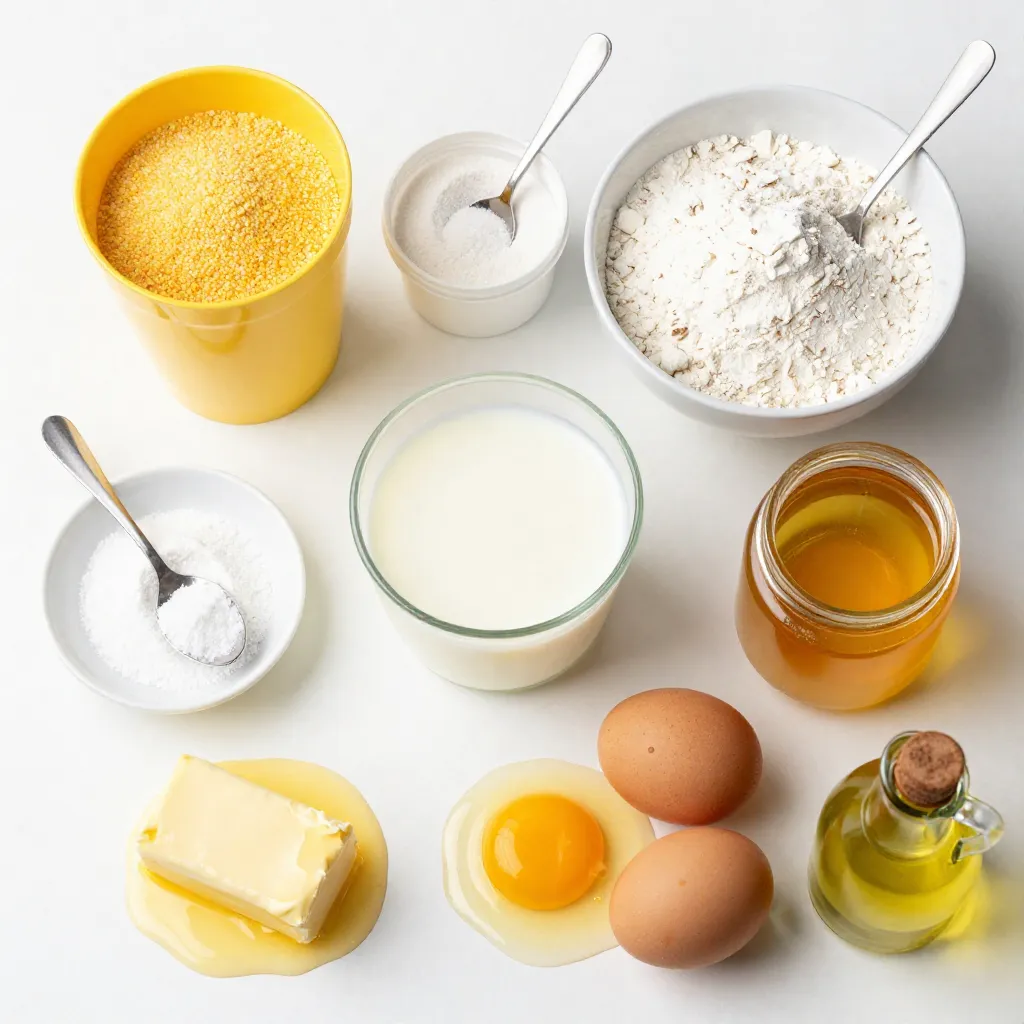
Detailed Ingredient List

– 1 cup cornmeal

– 1 cup all-purpose flour

– 1/4 cup granulated sugar

– 1 tablespoon baking powder

– 1/2 teaspoon baking soda

– 1/2 teaspoon salt

– 1 cup buttermilk

– 1/4 cup honey

– 2 large eggs

– 1/4 cup unsalted butter, melted

– 1 tablespoon olive oil (for greasing)

When I make honey buttermilk skillet cornbread, I use simple, fresh ingredients. Cornmeal gives it that classic texture. All-purpose flour adds lightness. Granulated sugar balances the flavors with a touch of sweetness. Baking powder and baking soda help the bread rise and become fluffy. Salt enhances all the flavors.

Buttermilk makes the bread moist and tender. Honey not only sweetens but gives a nice flavor. Eggs provide structure. Finally, melted butter adds richness. Don’t forget olive oil for greasing. It helps prevent sticking and adds flavor.

Ingredient Substitutions

Alternatives for buttermilk: You can use regular milk with a splash of vinegar or lemon juice. This will mimic the tangy taste of buttermilk.

Honey substitutes: Maple syrup or agave nectar work well if you want a different sweetness.

Gluten-free options: Use a gluten-free flour blend instead of all-purpose flour.

These swaps can change the taste and texture, but the cornbread will still be delicious.

Measuring Tips

How to measure cornmeal and flour correctly: Use a spoon to scoop flour or cornmeal into a measuring cup. Level it off with a knife for the right amount. Don’t pack it down.

Importance of using the right measuring tools: Use dry measuring cups for dry ingredients. This ensures you get the right amounts. Accurate measurements lead to better results in baking.
Step-by-Step Instructions

Prepping the Skillet

To start, preheat your oven to 400°F (200°C). Place a 10-inch cast-iron skillet inside. This step is key for a crispy bottom. The heat from the skillet helps the cornbread form a nice crust. Without this, your cornbread might be soft and not as tasty.

Mixing the Dry Ingredients

In a large bowl, combine the cornmeal, all-purpose flour, granulated sugar, baking powder, baking soda, and salt. Use a whisk to mix everything well. Whisking helps break up any lumps and ensures even distribution. This simple step makes your cornbread light and fluffy.

Combining Wet and Dry Mixtures

In another bowl, whisk the buttermilk, honey, eggs, and melted butter until smooth. Pour this wet mixture into the dry ingredients. Use a spatula or wooden spoon to fold them together gently. Be careful not to overmix. A few lumps are okay! This keeps the cornbread tender and soft.

Baking the Cornbread

Carefully take the hot skillet out of the oven. Add olive oil and swirl it to coat the bottom. This adds flavor and keeps the cornbread from sticking. Pour the batter into the hot skillet and spread it evenly. Bake for 20-25 minutes. The cornbread is done when the top is golden brown. A toothpick inserted in the center should come out clean.

Let the cornbread cool in the skillet for about 10 minutes. This cooling time helps set the texture and makes slicing easier. Once cooled, cut it into wedges and serve warm. Enjoy your delicious honey buttermilk skillet cornbread!

Tips & Tricks

Achieving the Perfect Texture

To get the best texture, follow these tips:

– Use fresh ingredients. Old baking powder can ruin your cornbread.

– Don’t overmix the batter. A few lumps are okay; they keep it fluffy.

– Ensure your skillet is hot. This helps form a crispy crust.

Common mistakes include:

– Mixing too much. This makes the cornbread dense.

– Skipping the preheat step. A hot skillet is key for that nice bottom.

Flavor Enhancements

You can make your cornbread even tastier with these ideas:

– Add jalapeños for heat. They add a nice kick.

– Mix in cheese for a savory touch. Cheddar works great!

– Top with honey, butter, or fresh herbs for extra flavor.

Try using herbs like rosemary or thyme. They bring a fresh taste to each bite.

Serving Suggestions

Cornbread pairs well with many sides:

– Serve with chili for a hearty meal.

– Enjoy with greens like collard or kale.

– Add a side of beans for a filling dish.

For special occasions, present it on a wooden board. Drizzle honey over the top or add pats of butter. This makes it look inviting and delicious!

Pro Tips

  1. Hot Skillet: Always preheat your cast-iron skillet in the oven. This step ensures a crispy crust that adds texture and flavor to the cornbread.
  2. Don’t Overmix: When combining wet and dry ingredients, mix just until incorporated. A few lumps are okay; overmixing can lead to a dense cornbread.
  3. Cooling Time: Let the cornbread cool in the skillet for about 10 minutes before slicing. This helps to set the texture and makes it easier to cut.
  4. Serving Suggestions: Enhance flavor and presentation by drizzling extra honey on top or adding a pat of butter to each warm slice before serving.

Variations

Sweet vs. Savory Cornbread

You can make cornbread sweet or savory. For a savory twist, add cheese or jalapeños. This adds a nice kick. Cheddar cheese works great. You can use sharp or mild cheese based on your taste. If you want a sweeter version, try using maple syrup instead of honey. Maple syrup gives a rich flavor, perfect for breakfast.

Gluten-Free Version

If you need a gluten-free option, you can swap the all-purpose flour. Use gluten-free flours like almond flour or rice flour. You may need to mix different flours for the best texture. Baking times may change slightly, so check for doneness by using a toothpick. If it comes out clean, your cornbread is ready!

Seasonal Additions

Seasonal ingredients can enhance your cornbread. In fall, try adding pumpkin puree for a warm spice flavor. You can also mix in cranberries for a touch of tartness during the holidays. These additions make your cornbread fun and festive. Feel free to experiment based on what you have at home.

Storage Info

How to Store Leftover Cornbread

To keep your cornbread fresh, place it in an airtight container. This helps avoid dryness. If you don’t have a container, wrap it tightly in plastic wrap. Store it in the fridge for best results. Cornbread tastes great cold or reheated.

Freezing Cornbread

To freeze your cornbread, let it cool completely first. Cut it into wedges for easy use. Wrap each piece in plastic wrap and then place them in a freezer bag. Make sure to squeeze out any air to avoid freezer burn. When you want to eat it, take a piece out and let it thaw at room temperature. You can reheat it in the oven at 350°F (175°C) for about 10 minutes. It will taste fresh and warm again!

Shelf Life of Cornbread

Cornbread lasts about 3 to 5 days in the fridge. Make sure it is in a tight container. If you freeze it, it can last for about 2 to 3 months. Just remember to wrap it well. This way, you can enjoy your cornbread later without losing flavor or texture.

FAQs

Can I make this cornbread recipe without buttermilk?

Yes, you can. If you do not have buttermilk, use milk mixed with vinegar or lemon juice. Just add 1 tablespoon of vinegar or lemon juice to 1 cup of milk. Let it sit for 5-10 minutes. This makes a good substitute. You can also use plain yogurt or sour cream mixed with water. Aim for a similar consistency to buttermilk.

How do I know when my cornbread is done?

To check if your cornbread is ready, look for a golden-brown top. Insert a toothpick into the center. If it comes out clean, your cornbread is done. You can also gently press the top; it should feel firm and springy. If it leaves an imprint, it needs more time.

Can I bake this cornbread in a different type of pan?

Sure! You can use a square baking dish or a muffin tin. If using a square dish, keep the baking time around 25-30 minutes. For muffins, bake for 15-20 minutes. Just make sure to grease the pans well. This helps prevent sticking and allows for easy serving.

This blog post detailed how to make perfect cornbread using simple ingredients. We explored substitutions, measuring tips, and the right techniques for mixing and baking. I shared helpful tricks for achieving the best texture and flavor. You can now try variations that suit your taste and season. Finally, I showed you the best ways to store leftovers and keep them fresh. Enjoy making cornbread your way, and remember to have fun in the kitche
- 1 cup cornmeal - 1 cup all-purpose flour - 1/4 cup granulated sugar - 1 tablespoon baking powder - 1/2 teaspoon baking soda - 1/2 teaspoon salt - 1 cup buttermilk - 1/4 cup honey - 2 large eggs - 1/4 cup unsalted butter, melted - 1 tablespoon olive oil (for greasing) When I make honey buttermilk skillet cornbread, I use simple, fresh ingredients. Cornmeal gives it that classic texture. All-purpose flour adds lightness. Granulated sugar balances the flavors with a touch of sweetness. Baking powder and baking soda help the bread rise and become fluffy. Salt enhances all the flavors. Buttermilk makes the bread moist and tender. Honey not only sweetens but gives a nice flavor. Eggs provide structure. Finally, melted butter adds richness. Don't forget olive oil for greasing. It helps prevent sticking and adds flavor. - Alternatives for buttermilk: You can use regular milk with a splash of vinegar or lemon juice. This will mimic the tangy taste of buttermilk. - Honey substitutes: Maple syrup or agave nectar work well if you want a different sweetness. - Gluten-free options: Use a gluten-free flour blend instead of all-purpose flour. These swaps can change the taste and texture, but the cornbread will still be delicious. - How to measure cornmeal and flour correctly: Use a spoon to scoop flour or cornmeal into a measuring cup. Level it off with a knife for the right amount. Don’t pack it down. - Importance of using the right measuring tools: Use dry measuring cups for dry ingredients. This ensures you get the right amounts. Accurate measurements lead to better results in baking. {{ingredient_image_2}} To start, preheat your oven to 400°F (200°C). Place a 10-inch cast-iron skillet inside. This step is key for a crispy bottom. The heat from the skillet helps the cornbread form a nice crust. Without this, your cornbread might be soft and not as tasty. In a large bowl, combine the cornmeal, all-purpose flour, granulated sugar, baking powder, baking soda, and salt. Use a whisk to mix everything well. Whisking helps break up any lumps and ensures even distribution. This simple step makes your cornbread light and fluffy. In another bowl, whisk the buttermilk, honey, eggs, and melted butter until smooth. Pour this wet mixture into the dry ingredients. Use a spatula or wooden spoon to fold them together gently. Be careful not to overmix. A few lumps are okay! This keeps the cornbread tender and soft. Carefully take the hot skillet out of the oven. Add olive oil and swirl it to coat the bottom. This adds flavor and keeps the cornbread from sticking. Pour the batter into the hot skillet and spread it evenly. Bake for 20-25 minutes. The cornbread is done when the top is golden brown. A toothpick inserted in the center should come out clean. Let the cornbread cool in the skillet for about 10 minutes. This cooling time helps set the texture and makes slicing easier. Once cooled, cut it into wedges and serve warm. Enjoy your delicious honey buttermilk skillet cornbread! To get the best texture, follow these tips: - Use fresh ingredients. Old baking powder can ruin your cornbread. - Don’t overmix the batter. A few lumps are okay; they keep it fluffy. - Ensure your skillet is hot. This helps form a crispy crust. Common mistakes include: - Mixing too much. This makes the cornbread dense. - Skipping the preheat step. A hot skillet is key for that nice bottom. You can make your cornbread even tastier with these ideas: - Add jalapeños for heat. They add a nice kick. - Mix in cheese for a savory touch. Cheddar works great! - Top with honey, butter, or fresh herbs for extra flavor. Try using herbs like rosemary or thyme. They bring a fresh taste to each bite. Cornbread pairs well with many sides: - Serve with chili for a hearty meal. - Enjoy with greens like collard or kale. - Add a side of beans for a filling dish. For special occasions, present it on a wooden board. Drizzle honey over the top or add pats of butter. This makes it look inviting and delicious! Pro Tips Hot Skillet: Always preheat your cast-iron skillet in the oven. This step ensures a crispy crust that adds texture and flavor to the cornbread. Don’t Overmix: When combining wet and dry ingredients, mix just until incorporated. A few lumps are okay; overmixing can lead to a dense cornbread. Cooling Time: Let the cornbread cool in the skillet for about 10 minutes before slicing. This helps to set the texture and makes it easier to cut. Serving Suggestions: Enhance flavor and presentation by drizzling extra honey on top or adding a pat of butter to each warm slice before serving. {{image_4}} You can make cornbread sweet or savory. For a savory twist, add cheese or jalapeños. This adds a nice kick. Cheddar cheese works great. You can use sharp or mild cheese based on your taste. If you want a sweeter version, try using maple syrup instead of honey. Maple syrup gives a rich flavor, perfect for breakfast. If you need a gluten-free option, you can swap the all-purpose flour. Use gluten-free flours like almond flour or rice flour. You may need to mix different flours for the best texture. Baking times may change slightly, so check for doneness by using a toothpick. If it comes out clean, your cornbread is ready! Seasonal ingredients can enhance your cornbread. In fall, try adding pumpkin puree for a warm spice flavor. You can also mix in cranberries for a touch of tartness during the holidays. These additions make your cornbread fun and festive. Feel free to experiment based on what you have at home. To keep your cornbread fresh, place it in an airtight container. This helps avoid dryness. If you don’t have a container, wrap it tightly in plastic wrap. Store it in the fridge for best results. Cornbread tastes great cold or reheated. To freeze your cornbread, let it cool completely first. Cut it into wedges for easy use. Wrap each piece in plastic wrap and then place them in a freezer bag. Make sure to squeeze out any air to avoid freezer burn. When you want to eat it, take a piece out and let it thaw at room temperature. You can reheat it in the oven at 350°F (175°C) for about 10 minutes. It will taste fresh and warm again! Cornbread lasts about 3 to 5 days in the fridge. Make sure it is in a tight container. If you freeze it, it can last for about 2 to 3 months. Just remember to wrap it well. This way, you can enjoy your cornbread later without losing flavor or texture. Yes, you can. If you do not have buttermilk, use milk mixed with vinegar or lemon juice. Just add 1 tablespoon of vinegar or lemon juice to 1 cup of milk. Let it sit for 5-10 minutes. This makes a good substitute. You can also use plain yogurt or sour cream mixed with water. Aim for a similar consistency to buttermilk. To check if your cornbread is ready, look for a golden-brown top. Insert a toothpick into the center. If it comes out clean, your cornbread is done. You can also gently press the top; it should feel firm and springy. If it leaves an imprint, it needs more time. Sure! You can use a square baking dish or a muffin tin. If using a square dish, keep the baking time around 25-30 minutes. For muffins, bake for 15-20 minutes. Just make sure to grease the pans well. This helps prevent sticking and allows for easy serving. This blog post detailed how to make perfect cornbread using simple ingredients. We explored substitutions, measuring tips, and the right techniques for mixing and baking. I shared helpful tricks for achieving the best texture and flavor. You can now try variations that suit your taste and season. Finally, I showed you the best ways to store leftovers and keep them fresh. Enjoy making cornbread your way, and remember to have fun in the kitchen!

Honey Buttermilk Skillet Cornbread

A deliciously sweet and moist cornbread made with honey and buttermilk, baked in a hot skillet for a crispy bottom.
Prep Time 10 minutes
Cook Time 25 minutes
Total Time 35 minutes
Course Side Dish
Cuisine American
Servings 8
Calories 200 kcal

Ingredients
  

  • 1 cup cornmeal
  • 1 cup all-purpose flour
  • 1 quarter cup granulated sugar
  • 1 tablespoon baking powder
  • 1 half teaspoon baking soda
  • 1 half teaspoon salt
  • 1 cup buttermilk
  • 1 quarter cup honey
  • 2 large eggs
  • 1 quarter cup unsalted butter, melted
  • 1 tablespoon olive oil (for greasing the skillet)

Instructions
 

  • Preheat your oven to 400°F (200°C). Place a 10-inch cast-iron skillet in the oven to heat up while you prepare the batter. This ensures a crispy bottom for your cornbread.
  • In a large mixing bowl, combine the cornmeal, all-purpose flour, granulated sugar, baking powder, baking soda, and salt. Use a whisk to mix these dry ingredients well until fully incorporated.
  • In a separate bowl, whisk together the buttermilk, honey, eggs, and melted butter until the mixture is smooth and well-blended.
  • Carefully pour the wet mixture into the bowl with the dry ingredients. Gently fold the batter together using a spatula or wooden spoon. Be cautious not to overmix; it's okay if there are a few small lumps in the batter.
  • Using oven mitts, carefully remove the hot skillet from the oven. Add the olive oil to the skillet and swirl it around so it completely coats the bottom. This step adds flavor and prevents the cornbread from sticking.
  • Next, pour the cornbread batter into the hot skillet, spreading it out evenly with a spatula or the back of a spoon.
  • Immediately return the skillet to the oven and bake for 20-25 minutes. The cornbread is done when the top is golden brown and a toothpick inserted into the center comes out clean.
  • After baking, let the cornbread cool in the skillet for about 10 minutes. This cooling time helps the texture set for easy slicing. Cut into wedges and serve warm.

Notes

Serve the cornbread wedges on a rustic wooden board or a colorful plate. Drizzle additional honey over the top or place a pat of butter on each piece for a visually appealing and inviting presentation.
Keyword buttermilk, cornbread, honey, skillet

WANT TO SAVE THIS RECIPE?

Related Posts