

As the leaves turn and the air cools, it’s time for a warm bowl of Autumn Squash Soup. This comforting dish brings together the sweet, nutty flavors of butternut and acorn squash, mixed with fragrant spices. You’ll love how easy it is to make. In this post, I’ll guide you step-by-step to create a smooth, creamy soup that’s perfect for chilly days. Let’s dive into the recipe!
Error: Error code: 429 - {'error': {'message': 'You exceeded your current quota, please check your plan and billing details. For more information on this error, read the docs: https://platform.openai.com/docs/guides/error-codes/api-errors.', 'type': 'insufficient_quota', 'param': None, 'code': 'insufficient_quota'}}
Ingredients
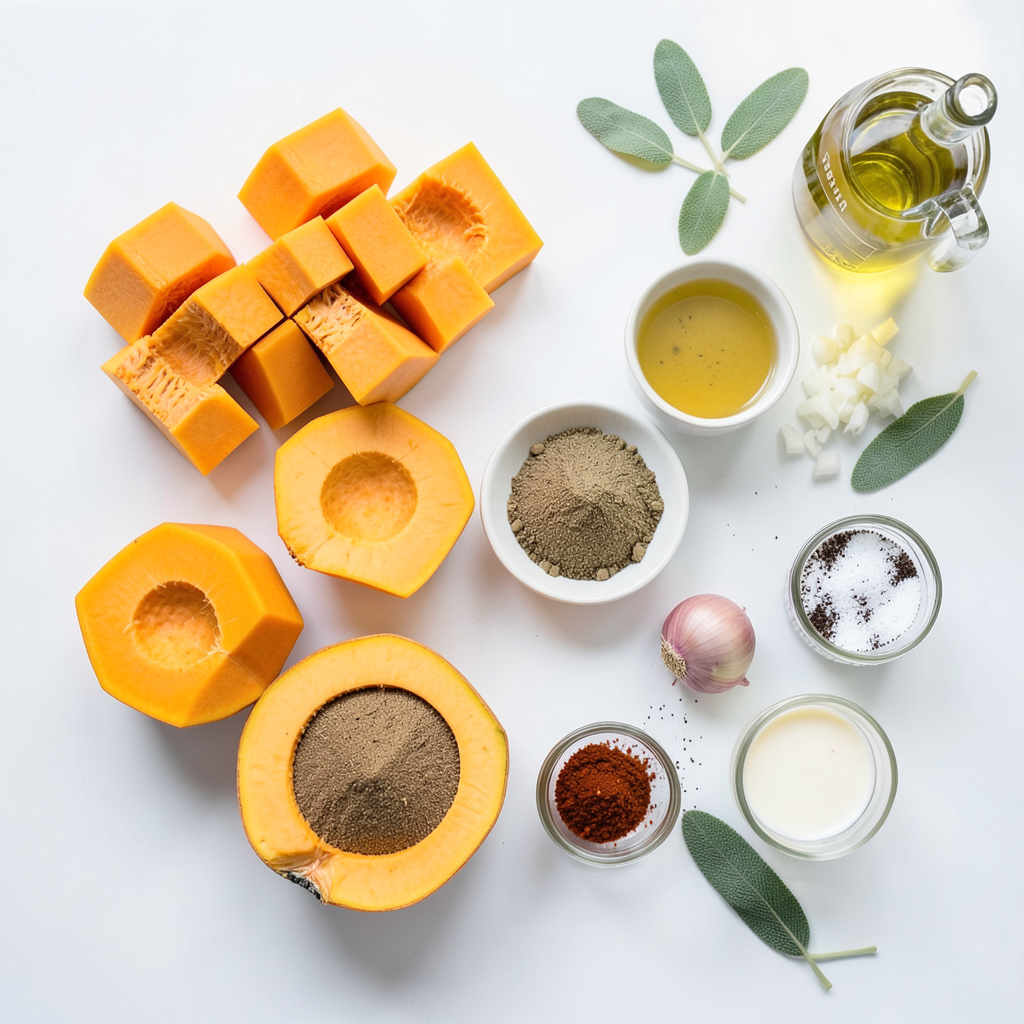
To make a warm bowl of autumn squash soup, gather these ingredients:
- 1 medium butternut squash, peeled and cubed
- 1 medium acorn squash, peeled and cubed
- 1 large onion, finely chopped
- 3 cloves garlic, minced
- 4 cups vegetable broth
- 1 teaspoon ground cumin
- 1 teaspoon ground coriander
- 1/2 teaspoon ground nutmeg
- 1/4 teaspoon cayenne pepper (optional for heat)
- 2 tablespoons olive oil
- Salt and freshly ground black pepper to taste
- 1/2 cup coconut cream (for a velvety texture)
- Fresh sage leaves (for garnish)
Each ingredient plays a key role in the soup's flavor. Butternut and acorn squashes add sweetness and creaminess. Onion and garlic bring depth and warmth. The spices—cumin, coriander, nutmeg, and cayenne—add layers of flavor. Coconut cream gives a smooth finish that makes each spoonful rich. Don't skip the fresh sage, as it adds a lovely aroma to the dish.
With these ingredients, you will create a comforting and delicious soup perfect for chilly autumn days.
Step-by-Step Instructions
Preparation of Squash
1. First, peel the butternut and acorn squashes. Use a sharp knife to cut them into cubes. This helps them cook evenly.
2. Next, heat two tablespoons of olive oil in a large pot over medium heat. Add one finely chopped onion and cook it until the onion turns soft. This usually takes about five minutes.
3. After the onion is soft, add three minced garlic cloves. Stir them for one minute until you smell their nice aroma.
4. Now, toss in the cubed squashes. Add one teaspoon of ground cumin, one teaspoon of ground coriander, and half a teaspoon of nutmeg. If you like heat, add a quarter teaspoon of cayenne pepper. Stir for five to seven minutes until the squash starts to soften.
Cooking Process
1. Pour in four cups of vegetable broth. Bring the mix to a boil. Once boiling, lower the heat and cover the pot. Let it simmer for 20 to 25 minutes. The squash should be soft enough to pierce with a fork.
2. Grab an immersion blender and blend the soup right in the pot. If you don't have one, cool the soup a bit first. Then, blend it in batches in a standard blender until it’s smooth.
Final Touches
1. Stir in half a cup of coconut cream. This will give your soup a creamy texture.
2. Season with salt and freshly ground black pepper. If the soup is too thick, add more vegetable broth until you like the consistency.
3. Once heated through, ladle the soup into bowls. Top with fresh sage leaves for a lovely finish.
Tips & Tricks
Achieving the Best Flavor
To make this soup really shine, fresh spices are key. Spices lose flavor over time. Always check the date on your spice jars. I like to use whole spices and grind them myself. This gives a more robust taste.
When sautéing, keep an eye on the heat. You want the onions soft and sweet, not burnt. Stir often to avoid sticking. Add the garlic after the onions. This way, the garlic won’t burn and will keep its flavor.
Blending Techniques
You can use an immersion blender right in the pot. This makes blending easy and quick. If you don’t have one, use a standard blender. Just let the soup cool a bit first. Blend in small batches to avoid spills. The goal is a velvety texture that feels great in your mouth.
Make sure to blend enough until it’s smooth. No lumps should remain. If it’s too thick, add more broth to get the right consistency.
Presentation Tips
For serving, use shallow bowls. This makes the soup look nice and inviting. A drizzle of coconut cream on top adds a touch of luxury.
Garnish each bowl with fresh sage leaves. You can fry them for a crispy twist. This adds flavor and a beautiful pop of green. Your soup will look as good as it tastes!
Error: Error code: 429 - {'error': {'message': 'You exceeded your current quota, please check your plan and billing details. For more information on this error, read the docs: https://platform.openai.com/docs/guides/error-codes/api-errors.', 'type': 'insufficient_quota', 'param': None, 'code': 'insufficient_quota'}}
Variations
Adding Extra Ingredients
You can enhance your autumn squash soup by adding more veggies. Carrots and sweet potatoes fit well. Their natural sweetness boosts the soup's flavor. You can also try adding some greens like spinach or kale. They add nutrition and a pop of color.
For spices, don’t hesitate to mix things up. You can use smoked paprika for a deeper taste. Or try curry powder for an interesting twist. Experiment with herbs like thyme or rosemary for a fresh aroma. These small changes can make a big difference.
Dietary Modifications
If you want a vegan soup, it’s easy to modify. Just use vegetable broth, which is already in the recipe. You can also swap coconut cream with cashew cream or almond milk. These options keep the soup creamy and rich.
For those watching sodium intake, look for low-sodium broth. This keeps the soup healthy and tasty. You can also add lemon juice for extra flavor without the salt.
Storage Info
Storing Leftovers
To keep your soup fresh, store it in an airtight container. This will help prevent any strange smells in your fridge. Make sure the soup cools down before sealing. In the refrigerator, your soup stays tasty for about 3 to 5 days. If you want to keep it longer, freezing is a great option.
Freezing the Soup
To freeze the soup, let it cool first. Then, pour it into freezer-safe bags or containers. Leave some space at the top for expansion. The soup can last up to 3 months in the freezer. When you’re ready to enjoy it, take it out and thaw it in the fridge overnight. To reheat, warm it gently on the stove over low heat. Stir often to keep it smooth. If it's too thick, add a little broth or water to get your desired texture.
FAQs
Common Questions
Can I use other types of squash? Yes, you can use other squash types. Zucchini or pumpkin works well. They add different flavors, but the soup remains tasty.
What can I substitute for coconut cream? If you don’t have coconut cream, use heavy cream or almond milk. These options keep the soup creamy.
How can I make the soup spicier? Add more cayenne pepper or some red pepper flakes. You can also use fresh chili peppers for a kick.
Cooking and Prep Inquiries
Can I prepare this soup in advance? Yes, you can make this soup a day before. Just store it in the fridge. Reheat it gently before serving.
How do I know when the squash is cooked? The squash is cooked when it's soft and easy to pierce with a fork. It should feel tender to the touch.
Serving Suggestions
What to serve with Autumn Squash Soup? Serve this soup with crusty bread or a light salad. These sides complement the soup's rich flavor.
Pairing drinks with the soup. A crisp white wine, like Sauvignon Blanc, pairs well. A warm apple cider also makes a great choice.
This blog post covers how to make a delicious autumn squash soup. You learned about key ingredients like butternut squash and coconut cream. I shared step-by-step instructions for prep, cooking, and adding final touches. Tips for flavor and blending techniques will maximize taste. You can also try variations to fit your diet. Remember, proper storage can keep soup fresh for later. With these insights, you can make a warm, tasty dish that nourishes and comforts. Enjoy your cooking journey!