Skip to content
  • About
  • Contact
  • Cookie Policy
  • Copyright Policy
  • Disclaimer
fastmealmate
  • Home
  • Dinner
  • Appetizer
  • Desserts
  • Drinks
  • About
  • Contact
  • Privacy Policy
fastmealmate
Home / NO-ING-IMG - Page 57

NO-ING-IMG

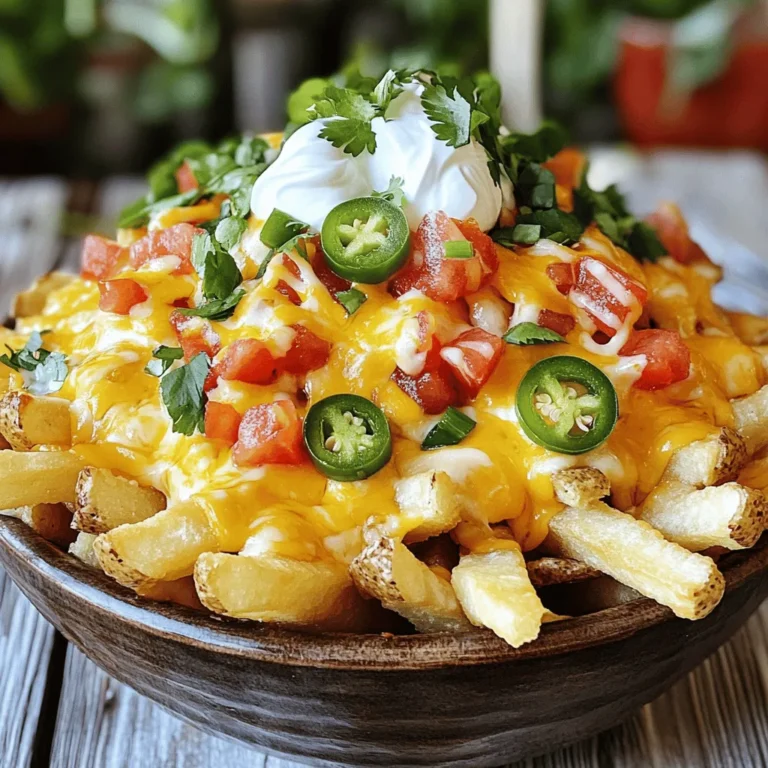
- 4 large russet potatoes - 1 tablespoon olive oil - 1 cup creamy nacho cheese sauce - Garlic powder - Smoked paprika - Chili powder - Sour cream - Diced tomatoes - Sliced jalapeños - Green onions - Fresh cilantro - Calories per serving: Approximately 350-400 - Breakdown of macronutrients: - Carbohydrates: 55g - Protein: 6g - Fat: 15g - Allergen information: May contain dairy and gluten. Taco Bell Nacho Fries are fun and easy to make. You start with simple ingredients like russet potatoes and olive oil. These fries are crispy and packed with flavor. I love using garlic powder, smoked paprika, and chili powder to season them. Each spice adds a special kick. For toppings, creamy nacho cheese is a must. It melts beautifully over hot fries. Add a dollop of sour cream for a cool touch. Fresh diced tomatoes and sliced jalapeños give a nice crunch. Chopped green onions and cilantro add freshness and color. Now let’s talk about nutrition. Each serving has about 350-400 calories. They have a good amount of carbs but not too much fat. Be careful if you have a dairy or gluten allergy since these fries may contain those ingredients. Check out the Full Recipe to see how to bring this dish to life! 1. Preheat your oven to 425°F (220°C). This high heat makes the fries crispy. 2. Prepare a baking sheet by lining it with parchment paper. This helps with cleanup. 3. In a bowl, mix the sliced potatoes with 1 tablespoon of olive oil. 4. Add 1 teaspoon of garlic powder, 1 teaspoon of smoked paprika, and 1 teaspoon of chili powder. 5. Include ½ teaspoon of ground cumin, ½ teaspoon of sea salt, and ½ teaspoon of black pepper. 6. Toss everything well until the fries are coated in the tasty spices. 1. Spread the seasoned fries in a single layer on the baking sheet. 2. Make sure they are not crowded for even cooking. 3. Bake for 25-30 minutes. Flip the fries halfway through for even browning. 1. While the fries bake, warm up 1 cup of creamy nacho cheese sauce in a saucepan. 2. Stir the sauce over low heat until it’s smooth and hot. 3. Remove the fries from the oven once they are golden brown. 4. Drizzle the warm nacho cheese sauce over the fries generously. 5. Add dollops of ½ cup of sour cream and top with diced tomatoes, sliced jalapeños, and chopped green onions. 6. Finish with fresh cilantro leaves for a burst of flavor and color. Enjoy your Taco Bell Nacho Fries, which are just as good at home! For the full recipe, check the section above. To get crispy fries, set your oven to 425°F (220°C). This high temp works magic! Spread the fries on a baking sheet. Make sure they aren’t crowded. Tossing them in olive oil helps coat each fry. This will give them a nice crunch. Flip them halfway through baking for even browning. You can change up the spices to suit your taste. Try adding onion powder or cayenne pepper for a kick. To make your own nacho cheese, melt cheese with a splash of milk. Stir in some jalapeño juice for extra flavor. These nacho fries pair well with many side dishes. Serve them with tacos or a fresh salad. For a taco night, set up a nacho bar. Place toppings in small bowls so everyone can customize their fries. {{image_4}} You can use many types of cheese sauce for nacho fries. Classic nacho cheese works great. You can also try cheddar cheese for a rich taste. If you want something lighter, use a white cheese sauce. For those who prefer plant-based options, vegan cheese alternatives are easy to find. Look for brands like Daiya or Follow Your Heart. They melt well and taste fantastic. While russet potatoes are a great choice, try sweet potato fries for a twist. They add a nice sweetness to the dish. Zucchini fries are another fun option. They are lighter and full of flavor. You can bake your fries for a healthier version or fry them for that crispy crunch. Both ways are delicious, so pick what you like best. Get creative with your toppings! Add bacon bits for a savory crunch. Guacamole can also bring a fresh taste to your nacho fries. For a seasonal touch, use toppings like pumpkin spice in the fall or fresh herbs in the spring. You can even layer on grilled corn or black olives for extra flavor. The options are endless and can make each batch unique. Enjoy your nacho fries with these fun variations! To store nacho fries, cool them first. Place them in a shallow container. Use an airtight lid to keep them fresh. Avoid stacking fries too high; this can make them soggy. You can keep them in the fridge for up to three days. To reheat nacho fries, the oven is best. Preheat it to 400°F (200°C). Spread fries on a baking sheet. Bake for about 10 minutes until hot and crispy. The microwave works in a pinch, but fries may get soft. If using the microwave, heat in 30-second intervals for better results. Yes, you can freeze nacho fries! First, let them cool completely. Spread them in a single layer on a baking sheet. Freeze for about one hour, then transfer to a freezer bag. They will keep well for up to three months. To reheat, bake from frozen at 400°F (200°C) for 15-20 minutes. Yes, you can use frozen fries. They save time and are easy to find. Pros: They cook fast and need less prep. Cons: They may not get as crispy as fresh fries. Homemade fries taste better and hold flavors well. For the best taste, fresh is always best. To make this dish vegetarian, use sour cream made from plants. You can also replace the cheese sauce with a vegan option. For vegan nacho cheese, try cashews or nutritional yeast. Use plant-based oils for cooking. Great drinks to serve with nacho fries include: - Soda or cola - Iced tea - Fruit-flavored drinks - Beer for adults These drinks enhance the flavors of the spicy fries. To match the Taco Bell flavor, follow these steps: 1. Use fresh russet potatoes for the best fry texture. 2. Season well with garlic powder and smoked paprika. 3. Bake at a high temperature to get that crispy finish. 4. Drizzle warm nacho cheese sauce generously. 5. Add fresh toppings for crunch and flavor. Follow the Full Recipe for detailed steps. Nacho fries are often seasonal. Taco Bell brings them back for limited times. Check their menu for updates. They may have special offers or deals during certain months. Keep an eye out for announcements on social media! In summary, making Taco Bell Nacho Fries at home is easy and fun. You need basic ingredients like russet potatoes and creamy nacho cheese. Season them well and bake for the best crunch. Explore different toppings and cheese options to make your fries special. You can even save leftovers for later. With simple tips, your kitchen can bring the fast-food taste right to your table. Enjoy your nacho fries however you like them!

Taco Bell Nacho Fries Flavorful and Easy Recipe

Read More Taco Bell Nacho Fries Flavorful and Easy RecipeContinue

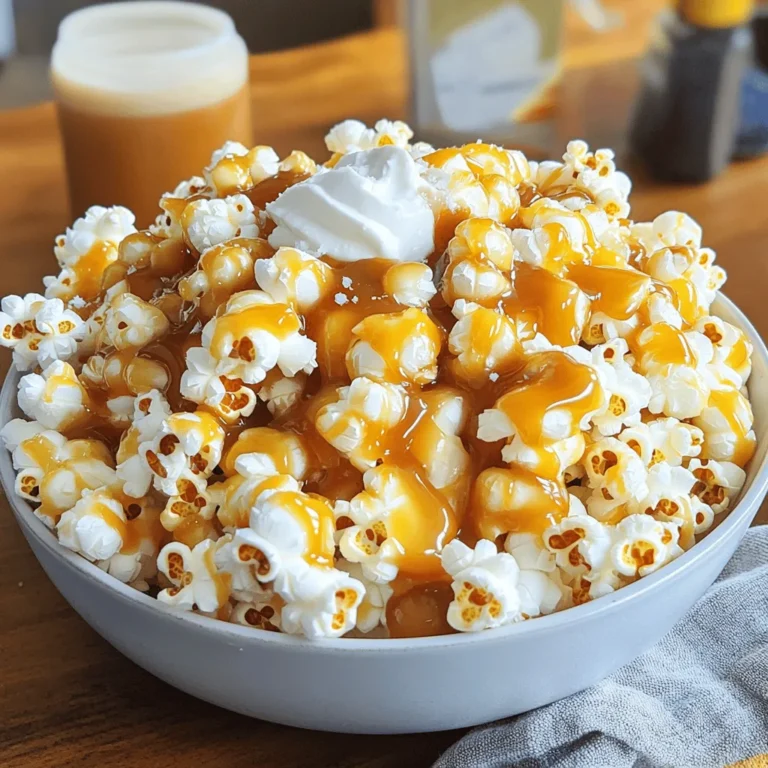
To make this tasty treat, you need just a few key ingredients: - 1 cup popcorn kernels - 1 cup unsalted butter - 2 cups brown sugar, packed tightly - 1/2 cup light corn syrup - 1 teaspoon baking soda - 1 tablespoon pure vanilla extract - 1 teaspoon butterscotch flavoring (optional) - A pinch of salt Each ingredient plays an important role. The popcorn kernels pop into fluffy bits. Unsalted butter adds rich flavor. Brown sugar gives sweetness and caramel color. Light corn syrup helps the caramel stay smooth. Baking soda lightens the caramel and makes it easy to coat the popcorn. Vanilla extract and butterscotch flavoring create that special Butterbeer taste. Salt brings out all the flavors. While the base recipe is fantastic, you can make it even better with some extras: - Whipped cream for drizzling - Salt for enhanced flavor Whipped cream adds a fun touch. A little salt can make the sweetness pop. These options let you customize your Butterbeer caramel popcorn to your taste! If you want the full experience, check out the Full Recipe for detailed steps. Start by popping your popcorn kernels. You can use an air popper, stovetop, or microwave. If using the stovetop, heat a bit of oil in a large pot, add the kernels, and cover with a lid. Shake the pot often to prevent burning. Once popped, transfer the popcorn to a large mixing bowl that you have lightly greased. This step keeps the popcorn from sticking. Next, make the caramel sauce. In a medium saucepan, melt 1 cup of unsalted butter over medium heat. Stir it gently as it melts. When the butter is fully melted, add 2 cups of packed brown sugar and 1/2 cup of light corn syrup. Mix it well and bring the mixture to a gentle boil. Keep stirring to avoid burning. After about 4-5 minutes, check the temperature with a candy thermometer. You want it to reach 240°F, which is the soft ball stage. After reaching the right temperature, remove the saucepan from the heat. Stir in 1 teaspoon of baking soda; it will bubble a bit. Then add 1 tablespoon of pure vanilla extract and a pinch of salt. Pour this warm caramel sauce over the popped popcorn in your greased bowl. Use a spatula to gently fold the popcorn with the caramel, making sure each piece is coated. Now, preheat your oven to 250°F (120°C). Spread the caramel-coated popcorn on a large baking sheet lined with parchment paper. Bake it for 45 minutes, stirring every 15 minutes. This step helps the caramel stick well. After baking, let the popcorn cool on the baking sheet. If you see any large clusters, break them apart for a better texture. For a fun twist, drizzle with whipped cream when serving. For the full recipe, refer to the recipe section. Enjoy your Butterbeer Caramel Popcorn! To get the best caramel, use a candy thermometer. This tool helps you know when the caramel reaches the right temperature. You want it to reach about 240°F for the perfect soft ball stage. If you skip this step, your caramel may burn or not set right. Stir the mixture often while it heats. This keeps it from burning and helps it mix well. To boost the flavor, try adding butterscotch flavoring. Just a teaspoon can make a big difference. You can also get creative with toppings. Think about adding a sprinkle of sea salt or some crushed nuts. These extras add new textures and tastes, making your snack even more fun. To prevent unpopped kernels, make sure you pop your corn well. Use a good quality popcorn maker or stovetop method. Once popped, transfer it to a greased bowl. This helps keep the popcorn from sticking. When mixing in the caramel, use a spatula to fold gently. This ensures every piece gets coated nicely without breaking apart. {{image_4}} You can make Butterbeer Caramel Popcorn even more fun with different flavors. One great option is chocolate-covered Butterbeer Caramel Popcorn. Just melt some chocolate and drizzle it over the cooled caramel popcorn. Let it set for a sweet and rich treat. Another idea is to add a nut mix. You can use nuts like almonds, pecans, or walnuts. This adds a nice crunch and extra flavor. Just mix them in when you coat the popcorn with caramel. If you need to make this snack vegan, swap the unsalted butter for coconut oil or a vegan butter. This way, you can enjoy the same great taste without dairy. For those who are gluten-free, simply ensure you use gluten-free popcorn and check your flavorings. Most vanilla and butterscotch extracts are gluten-free, but it’s good to check labels. You can also create holiday-themed Butterbeer Caramel Popcorn. For Halloween, add some spooky sprinkles or use orange food coloring. For Christmas, mix in peppermint or add red and green candies. In fall, try pumpkin spice flavoring mixed with your caramel. In winter, a hint of mint can give a fresh twist. These seasonal flavors can make your popcorn stand out at any gathering. For the full recipe, check out the Butterbeer Caramel Popcorn recipe above. Enjoy experimenting with these variations! To keep your Butterbeer caramel popcorn fresh, store it in airtight containers. This helps prevent air from getting in and making the popcorn stale. You can use glass jars or plastic bins with tight lids. Make sure the popcorn is completely cool before sealing it. If you store warm popcorn, moisture can form inside the container. At room temperature, Butterbeer caramel popcorn lasts about one week. If you want to store it longer, you can freeze it. Just place it in a freezer-safe bag or container. It can last up to three months in the freezer. When you’re ready to enjoy it, simply thaw it at room temperature. If your popcorn becomes stale, don’t worry! You can re-crisp it easily. Preheat your oven to 250°F (120°C). Spread the stale popcorn on a baking sheet. Bake it for about 10 minutes. This will help restore its crunch. Just keep an eye on it to ensure it doesn’t burn. Enjoy your fresh, crunchy Butterbeer caramel popcorn again! Butterbeer Caramel Popcorn is a sweet and buttery snack. It draws inspiration from the famous drink in the Harry Potter series. This treat combines popcorn with a rich caramel sauce. The sauce has notes of vanilla and butterscotch, giving it a warm, cozy flavor. Each bite offers a delightful crunch and sweetness. You will find it hard to resist! Yes, you can make Butterbeer Caramel Popcorn in advance. Store it in an airtight container. This will keep it fresh for up to a week. If you want to make a larger batch, it can last longer if you freeze it. Just remember to let it thaw at room temperature before serving. You can find premade Butterbeer Caramel Popcorn in specialty stores or online. Some popular brands offer it during the fall and winter. Check local candy shops or popcorn stores. Websites like Amazon or Etsy may have unique options too. To make Butterbeer Caramel Popcorn healthier, you can try a few swaps: - Use less butter or a light butter alternative. - Substitute brown sugar with coconut sugar. - Use air-popped popcorn instead of oil-popped. These changes can lower calories while keeping it tasty! Yes, Butterbeer Caramel Popcorn can be gluten-free. Just check the popcorn kernels and ingredients. Most plain popcorn is gluten-free. However, always read labels to be sure. You can enjoy this treat without worry if you choose gluten-free options! In summary, making Butterbeer Caramel Popcorn is fun and simple. You begin with essential ingredients like popcorn, butter, and sugar. Follow easy steps to pop the corn, make caramel, and coat it. Use our tips to get the perfect texture and flavor. Try different variations like chocolate or seasonal spices. Remember to store it well for freshness. Enjoy this tasty treat anytime, whether at a party or a cozy night in!

Butterbeer Caramel Popcorn Irresistible Snack Recipe

Read More Butterbeer Caramel Popcorn Irresistible Snack RecipeContinue

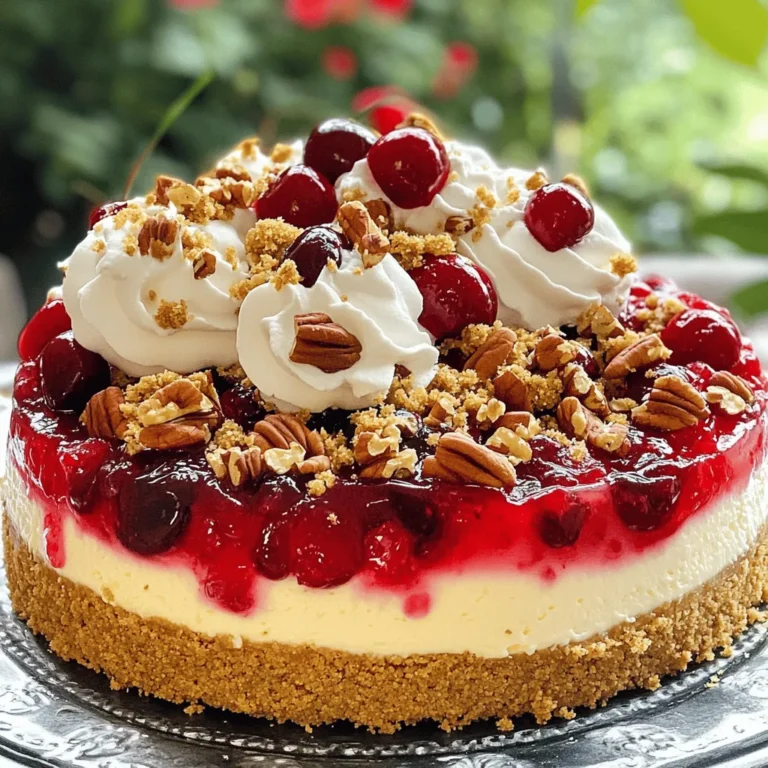
To make a Cherry Crumb Cheesecake, you need specific key ingredients: - 1 ½ cups graham cracker crumbs - ½ cup unsalted butter, melted - 1 cup granulated sugar, divided - 1 ½ teaspoons ground cinnamon - 3 packages (8 oz each) cream cheese, softened - 1 teaspoon pure vanilla extract - 3 large eggs, at room temperature - 1 cup cherry pie filling These ingredients create a rich and creamy cheesecake with a delightful cherry flavor. You can customize your cheesecake with these optional ingredients: - ½ cup chopped pecans or walnuts - Additional cherry filling for topping Adding nuts gives a nice crunch. More cherry filling can boost the flavor and look. To prepare your Cherry Crumb Cheesecake, gather these tools: - 9-inch springform pan - Mixing bowls - Electric mixer - Spatula - Measuring cups and spoons Having the right tools makes the process smooth and fun. Each tool helps you create a perfect cheesecake with ease. For the full recipe, check the details above. Start by preheating your oven to 325°F (160°C). In a medium bowl, mix together the graham cracker crumbs, melted butter, ½ cup of granulated sugar, and ground cinnamon. You want it to feel like wet sand. Next, press this mixture firmly into the bottom of a 9-inch springform pan. This forms a solid crust for your cheesecake. Now, bake the crust in the oven for about 10 minutes. It should look light and golden brown. Once done, take it out and let it cool. In a large bowl, beat the softened cream cheese using an electric mixer. Mix until it’s creamy and smooth. Slowly add in the remaining ½ cup of granulated sugar and the vanilla extract. Keep mixing until everything is well combined. Next, add the eggs, one at a time. Mix on low speed after each addition. This helps avoid overmixing, which can make the cheesecake dense. After the eggs are mixed in, gently fold the cherry pie filling into the cream cheese mixture. Be careful not to crush the cherries. Now it’s time to pour the cheesecake filling into the cooled crust. Smooth the top with a spatula to ensure an even surface. Place the cheesecake in the oven and bake for about 50 to 60 minutes. The center should be set but still slightly jiggly. Once baked, turn off the oven and crack the door to let the cheesecake cool slowly. Let it cool for about an hour before moving it to the fridge. Chill it for at least 4 hours, but overnight is best. For a crunchy topping, mix leftover graham cracker crumbs with a tablespoon of melted butter and optional chopped nuts. Sprinkle this over the cheesecake before serving. You can find the Full Recipe for more details and exact measurements. When making a cheesecake, avoid overmixing. Mix the cream cheese just until smooth. Adding eggs? Do it one at a time. This keeps your cheesecake light and fluffy. Another tip: let your cream cheese soften fully. Cold cream cheese can lead to lumps. Also, be careful when folding in the cherry filling. You want to keep the cherries intact for a lovely look. Chilling is key for a great cheesecake. After baking, turn off the oven and crack the door. This helps your cake cool slowly. Let it sit for about an hour. Then, move it to the fridge. Chill for at least four hours. For best results, chill overnight. This ensures your cheesecake sets perfectly and is easier to slice. To boost flavor, add a splash of lemon juice to the cream cheese mix. It adds a nice zing. You can also swap out some sugar for brown sugar. This gives a deeper flavor. For texture, mix in chopped nuts in the filling or topping. They add a nice crunch. If you want more cherry flavor, drizzle some extra cherry filling on top before serving. For the full recipe, check the Cherry Crumb Cheesecake Delight section. {{image_4}} You can change the fruit in this recipe. Try blueberries, strawberries, or peaches. Each fruit adds its unique flavor and color. For blueberries, use a blueberry pie filling. Strawberries work well too. Just mash them gently before folding them in. Peaches can give a sweet, summer vibe. You can make this cheesecake gluten-free. Simply swap the graham cracker crumbs for gluten-free crumbs. Look for options made from almonds or oats. Check the labels to ensure they are gluten-free. The rest of the ingredients stay the same, so you keep all that flavor. You can get creative with the crust. Instead of graham crackers, use chocolate cookies for a rich taste. Oreos make a great choice too. For a nutty crust, blend nuts like almonds or pecans. Just mix them with butter and press into the pan. Each crust adds a new twist to the cheesecake. For the full recipe, check the details above. After enjoying your Cherry Crumb Cheesecake, you may have some left. To store it, cover the cheesecake tightly with plastic wrap or foil. This helps keep it fresh. Place it in the fridge. It will stay good for up to five days. If you cut slices, use a clean knife to avoid mess. Want to save your cheesecake for later? Freezing is a great option. First, let the cheesecake cool completely. Then, wrap it tightly in plastic wrap. After that, wrap it in aluminum foil. This extra layer protects it from freezer burn. You can freeze the cheesecake for up to three months. When you’re ready to enjoy it again, move it to the fridge to thaw overnight. When you're ready to eat your cheesecake, no need to heat it. Cheesecake is best served cold. However, if you want a warm slice, you can gently warm it. Preheat your oven to 250°F (120°C). Place the cheesecake slice on a baking sheet. Heat it for about 10 minutes. Check to see if it’s warmed through. Enjoy it with a fresh cherry topping for the best taste! Yes, you can use fresh cherries. Just pit and slice them. Mix the fresh cherries with a little sugar and cornstarch. This helps them thicken and sweeten. Fresh cherries bring a bright flavor. They also add a nice pop of color to your dessert. Cherry Crumb Cheesecake lasts about five days in the fridge. Store it in an airtight container. This keeps it fresh and tasty. After a few days, the crust may get softer. But the flavor stays great. You can use Greek yogurt as a substitute. It gives a creamy texture. Silken tofu is another option for a vegan version. Both substitutes can work well in this recipe. They will change the flavor slightly, but it will still be delicious. For the full recipe, check out the Cherry Crumb Cheesecake Delight. This blog post covered how to make Cherry Crumb Cheesecake. We explored key ingredients, and tools needed, and shared step-by-step instructions. I provided tips to avoid mistakes and enhance flavor. We discussed variations like gluten-free options and how to store leftovers. In the end, baking cheesecake can be fun and rewarding. With these tips, you can enjoy a delicious treat any time!

Cherry Crumb Cheesecake Delightful and Worthy Treat

Read More Cherry Crumb Cheesecake Delightful and Worthy TreatContinue

- 8 oz spaghetti or fettuccine - 3 large egg yolks - 1 whole egg - 1/2 cup finely grated Parmesan cheese - 1 tablespoon gochujang - 2 cloves garlic, minced - 1 tablespoon olive oil - 4 oz pancetta or diced turkey bacon (optional) - Salt and freshly cracked black pepper - Chopped green onions (for garnish) - Sesame seeds (for garnish) Gather these ingredients before you start cooking. This will make your process smooth and fun. The star of this dish is gochujang. It adds a deep heat and unique flavor. The creamy sauce comes from the eggs and cheese. The garlic and olive oil offer a nice aroma. If you want a meat option, use pancetta or turkey bacon. - Large pot - Medium mixing bowl - Large skillet - Tongs You need a large pot to boil the pasta. A medium mixing bowl helps mix the egg and cheese. The large skillet cooks the garlic and meat. Tongs are key to tossing your pasta with the sauce. Having the right tools makes cooking easier and more enjoyable. - Calories per serving: about 500 - Protein: 20g - Fat: 25g - Carbohydrates: 50g This dish is rich and filling. The calories come from the pasta, eggs, and cheese. It packs a good protein punch from the eggs and cheese. Enjoy it as a main meal or share it with a friend. For more details, check the Full Recipe for serving sizes and more tips. - Bring a large pot of salted water to a boil. - Cook spaghetti or fettuccine until al dente, about 8-10 minutes. First, salt the water. This helps the pasta taste great. When it boils, add the pasta. Stir it often. Before draining, save one cup of pasta water. This water helps make the sauce creamy later. - Whisk together egg yolks, whole egg, Parmesan, gochujang, and seasonings. - Heat olive oil and sauté garlic. In a medium bowl, mix the egg yolks, whole egg, and finely grated Parmesan cheese. Add gochujang and a pinch of salt and pepper. Whisk until it looks smooth. Heat olive oil in a skillet over medium heat. Add minced garlic. Sauté it for about 30 seconds. Watch for it to smell great and turn golden. - Cook pancetta or turkey bacon if using. - Toss drained pasta with garlic oil. - Mix in egg and gochujang mixture off the heat. If you want meat, add pancetta or turkey bacon now. Cook it until it is crispy, about 3-4 minutes. Then, toss the drained pasta into the skillet. Mix it well with the garlic oil. Off the heat, pour the egg and gochujang mixture over the hot pasta. Use tongs to toss it. The heat will cook the eggs gently, making a creamy sauce. Slowly add the reserved pasta water until the sauce is creamy and smooth. Taste and add more salt or pepper if you need to. Plate your Gochujang Carbonara right away. Enjoy the spicy twist! For the full recipe, check out the detailed steps and tips. To achieve a creamy sauce, start with room temperature eggs. Cold eggs can make the sauce clumpy. Whisk the yolks and the whole egg together well. This creates a smooth base. When you combine the egg mixture with the pasta, do it off the heat. The pasta should be hot enough to cook the eggs gently. Toss quickly with tongs. This helps make a rich sauce. If your sauce feels too thick, use reserved pasta water. Add it a little at a time. This water adds starch and helps to loosen the sauce. Keep tossing until you reach your desired creaminess. To boost the flavor, try adding spices. A pinch of red pepper flakes can add heat. Fresh herbs like parsley or basil can bring brightness. These small changes can really lift your dish. You can also experiment with different cheese. Pecorino Romano adds a sharp flavor. A mix of Parmesan and Pecorino can give you a nice depth. Use what you like best for a personal touch. One big mistake is overcooking the pasta. Al dente is best, as it will cook a bit more in the sauce. Always check the package time and taste a strand. Another mistake is scrambling the eggs. Keep the heat low when mixing the egg and pasta. If the skillet is too hot, the eggs will cook too fast. You want a creamy sauce, not scrambled eggs. {{image_4}} You can make a great vegetarian version of gochujang carbonara. Start by replacing the pancetta. Use mushrooms instead. They add a nice umami flavor. You can use shiitake or cremini mushrooms for this. Just sauté them in olive oil until they are golden and tender. Next, add seasonal vegetables. Think spinach, zucchini, or asparagus. They brighten up the dish and add color. Just toss them in the skillet with the garlic. This adds flavor and nutrition. Want more heat? You can increase the gochujang. Adding a little more will make it extra spicy. Just be careful! Start small and taste as you go. If you want to add other spices, try crushed red pepper flakes. They bring another layer of heat and flavor. Do you need a gluten-free option? You can easily swap out regular pasta for gluten-free pasta. There are many good brands available now. They work well in this recipe. You can also explore other noodle types. Try rice noodles or soba noodles. Each option gives a unique twist to the dish. They can bring different textures and flavors, making it fun to try new things. To keep your Gochujang Carbonara fresh, store it in an airtight container. Place the container in the fridge. Make sure to cool the pasta to room temperature before sealing. This helps prevent moisture buildup. Leftovers last about 3 days in the fridge. The best way to reheat carbonara is on the stove. Add a splash of water or broth to a skillet. Heat it over low to medium heat. Stir gently until warm. This keeps the sauce creamy and smooth. Avoid using the microwave, as it can dry out the pasta. You can freeze carbonara, but it may change texture. To freeze, place cooled portions in freezer-safe bags. Remove as much air as possible before sealing. For best taste, eat it within 1 month. When ready to eat, thaw it in the fridge overnight. Reheat gently on the stove with added liquid. This helps restore some of the creaminess. For the full recipe, check out the details above. Gochujang is a Korean chili paste. It has a deep red color. This paste is made from fermented soybeans, glutinous rice, and chili powder. Its flavor is sweet, spicy, and umami-rich. Gochujang adds a unique kick to many dishes. You can find it in Asian markets and some grocery stores. Yes, you can prep this dish ahead of time. Cook the pasta and store it in the fridge. Keep the sauce separate, so it stays creamy. When you are ready to eat, heat the pasta and mix in the sauce. This way, you enjoy fresh, tasty carbonara. If you lack pancetta, try turkey bacon or diced ham. For a vegetarian option, use mushrooms. Sauté them until golden and add them to the dish. You can also use smoked tofu for a plant-based protein. To make it milder, use less gochujang. You can start with half a tablespoon and taste it. If you want more heat, add a little more gochujang or some red pepper flakes. Adjust slowly until it meets your preference. For the complete steps and extra tips for making Gochujang Carbonara, click here: [Full Recipe]. This blog post covered how to make Gochujang Carbonara, from ingredients to storage tips. You learned about choosing the right pasta, creating a creamy sauce, and avoiding common cooking mistakes. No matter your taste, you can try variations like vegetarian options. Always store leftovers correctly to enjoy them later. Remember, cooking is fun, so feel free to experiment with flavors! Enjoy your delicious meal and impress others with your skills!

Gochujang Carbonara Flavorful Spicy Twist Recipe

Read More Gochujang Carbonara Flavorful Spicy Twist RecipeContinue

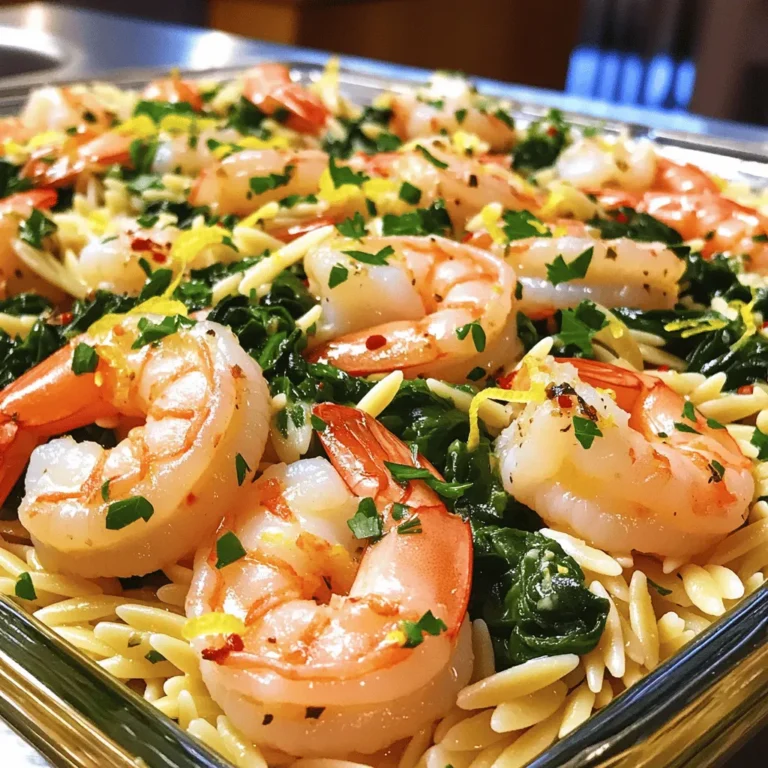
- 1 lb large shrimp, peeled and deveined - 1 cup orzo pasta - 2 cups fresh spinach, chopped - 4 cloves garlic, minced - 2 tablespoons olive oil - 1 tablespoon lemon zest - 3 tablespoons fresh lemon juice - 1 teaspoon red pepper flakes - Salt and black pepper to taste - Fresh parsley for garnish Getting the right ingredients is key to this dish. First, I love using large shrimp. They are meaty and pack a flavor punch. When you peel and devein them, it makes them ready for cooking. Next up, we have orzo pasta. It's a short pasta that looks like rice and pairs so well with shrimp. Fresh spinach adds a lovely green color and nutrition. You can use baby spinach for a milder taste. I always have garlic on hand. It adds a strong flavor that makes each bite better. Olive oil is my go-to for cooking. It gives a rich taste and helps fry the shrimp perfectly. For a burst of freshness, I add lemon zest and juice. The zest gives a strong lemon flavor without the liquid. If you want a kick, add red pepper flakes. They can spice things up but feel free to skip them. Finally, salt and black pepper season the dish just right. A sprinkle of fresh parsley makes it look fancy. If you want the full recipe, check it out. Make sure to gather all these ingredients. They work together to create a dish that is bright, tasty, and satisfying. - Bring salted water to a boil. - Cook orzo according to package instructions. Drain and set aside. Cooking orzo is easy. You can choose any brand you like. Just remember to use enough salt in the water to enhance the flavor. Cooking time varies, so follow the package instructions closely for best results. - Warm olive oil and sauté garlic. - Add shrimp and season before cooking. Start by heating olive oil in a large skillet. Add minced garlic and let it cook for about 30 seconds. You want it fragrant but not burnt. Next, add your shrimp. Season them with salt and black pepper. If you enjoy a kick, toss in some red pepper flakes. Cook the shrimp for about 2-3 minutes per side. They should be pink and opaque when done. - Stir in lemon zest and juice. - Add spinach and mix in cooked orzo. Once the shrimp are ready, stir in lemon zest and fresh lemon juice. This brightens the dish. After that, toss in the spinach. Cook it just until it wilts. Finally, add the cooked orzo to the skillet. Mix everything gently to blend the flavors. Taste and adjust seasoning if needed. This dish is perfect for a quick weeknight meal. For the full recipe, refer to the earlier section. Enjoy your cooking! To make your shrimp shine, ensure they cook evenly. This gives the best flavor. Cook shrimp until they turn pink and opaque. This usually takes 2-3 minutes on each side. If you burn the garlic, it will taste bitter. Sauté it gently for about 30 seconds until fragrant. Keep an eye on it! Presentation is key! Serve your Lemon Garlic Shrimp with Spinach Orzo in shallow bowls. This shows off the colorful mix of shrimp, spinach, and orzo. Add a lemon wedge on the side. It gives a fresh pop and looks great. A sprinkle of parsley on top adds color and flavor. Want to take your dish to the next level? Experiment with herbs or spices! Fresh basil or thyme can add a nice twist. You can also try a touch of paprika for warmth. Just remember to keep it balanced, so the lemon and garlic still shine. For the full recipe, check the details above! {{image_4}} If you want a change, you can swap shrimp for chicken or tofu. Chicken works great when cut into small pieces. Cook it the same way as the shrimp. Tofu is a great choice too. Use firm tofu for the best texture. Just make sure to press it first to remove excess water. You can change the orzo to quinoa or rice. Quinoa adds a nice nutty flavor and a protein boost. Cook it according to package directions. Rice is another easy option. Use brown rice for more fiber and nutrients. Both swaps will keep the dish filling and delicious. Adding more veggies is a smart way to boost nutrition. Try greens like kale or Swiss chard for extra vitamins. Bell peppers add a sweet crunch and a pop of color. Just chop them up and toss them in with the spinach. This way, you create a fun mix of flavors and textures. For the full recipe, check out the Lemon Garlic Shrimp with Spinach Orzo section. Allow the dish to cool before putting it in the fridge. Use an airtight container to keep the shrimp and orzo fresh. This way, they will stay tasty for up to three days. If you want to keep it longer, consider freezing. To reheat, use a skillet over medium heat. This method helps keep the shrimp tender and the orzo nice. Add a splash of water or broth to prevent drying out. Stir often for even heating. Avoid using the microwave, as it can make the shrimp rubbery. If you want to freeze, pack the dish tightly in a freezer-safe container. Wrap it well to prevent freezer burn. Thaw overnight in the fridge before reheating. This helps keep the flavors intact. Enjoy your Lemon Garlic Shrimp with Spinach Orzo anytime you crave it! For the full recipe, check out the earlier section. To cook shrimp perfectly, start with fresh, raw shrimp. Heat olive oil in your skillet. Add minced garlic and stir until fragrant. Then, add shrimp to the pan. Season with salt, pepper, and red pepper flakes. Cook for 2-3 minutes on each side. When shrimp turns pink and opaque, they are done. This ensures tender and juicy shrimp every time. If you don’t have orzo, you can use several alternatives. Try small pasta shapes like ditalini or couscous. Quinoa also works well for a gluten-free option. Rice is another good choice, though it will change the dish's texture. Each option brings its own flair to the meal. Yes, you can prepare Lemon Garlic Shrimp with Spinach Orzo ahead of time. Cook the shrimp and orzo separately. Store them in airtight containers in the fridge. You can combine them just before serving. This keeps the shrimp tender and the orzo firm. Reheat gently in a skillet to avoid overcooking. The spice level depends on how much red pepper flakes you add. A teaspoon gives a mild kick. If you prefer it spicier, add more to taste. For a milder option, leave the flakes out. This dish can easily adjust to your spice level. Enjoy it just the way you like! Lemon garlic shrimp with spinach orzo combines fresh ingredients and rich flavors. You now know the main ingredients, such as shrimp and orzo, along with steps to cook them perfectly. Remember to follow my tips for great taste and presentation. Feel free to try variations like chicken or extra veggies. This dish is easy to store and reheat, making it perfect for leftovers. Enjoy creating your own version and share it with family or friends!

Lemon Garlic Shrimp with Spinach Orzo Delight

Read More Lemon Garlic Shrimp with Spinach Orzo DelightContinue

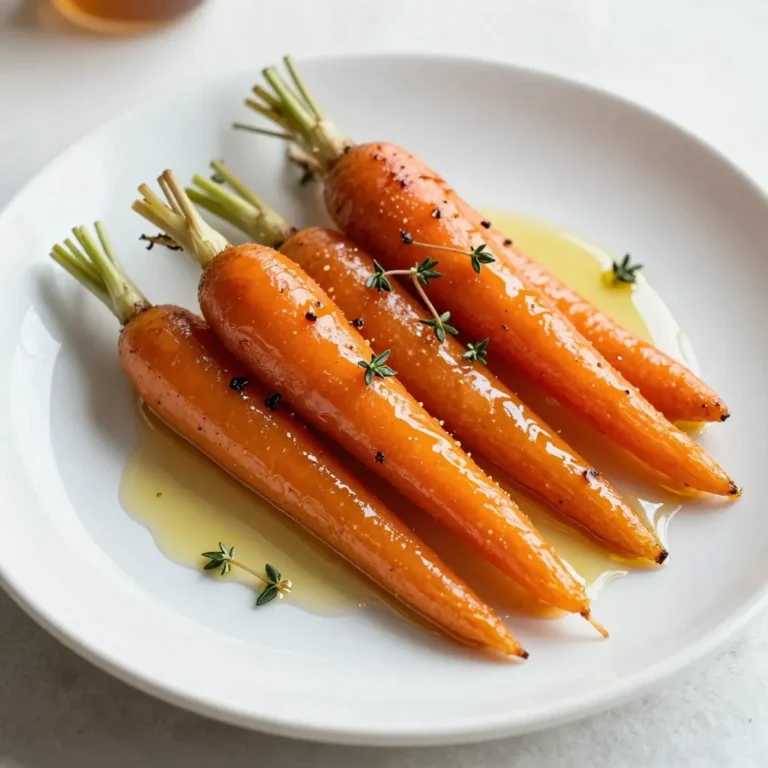
- 1 pound of baby carrots (or sliced regular carrots) - 3 tablespoons of pure honey - 2 tablespoons of extra virgin olive oil - 1 teaspoon of fresh thyme leaves (or ½ teaspoon of dried thyme) - Sea salt and freshly ground black pepper - 1 tablespoon of freshly squeezed lemon juice - Fresh thyme sprigs for garnish (optional) Using these simple ingredients, we create a dish that shines. Baby carrots are sweet and tender, making them perfect for this recipe. If you cannot find baby carrots, sliced regular carrots work just as well. Honey gives a sweet touch, while olive oil helps achieve that nice glaze. Fresh thyme adds a lovely herbal note. You can use dried thyme if you have it on hand. Sea salt and black pepper bring out the flavors and keep things balanced. A splash of lemon juice brightens the dish and adds a zesty kick. Finally, fresh thyme sprigs on top make your carrots look extra special. This mix of flavors will make your honey roasted carrots a hit at any meal. {{ingredient_image_2}} First, preheat your oven to 425°F (220°C). This helps the carrots roast evenly. In a large bowl, mix together the honey, olive oil, thyme, salt, pepper, and lemon juice. Use a whisk to blend them well. The mixture should look smooth and glossy. Next, add the carrots to the honey mixture. Toss them gently until they are all coated. Each carrot should shine with that tasty glaze. After coating, arrange the carrots on a lined baking sheet. Make sure they are in a single layer. This spacing helps them cook evenly. Now, place the baking sheet in the oven. Roast the carrots for about 20 to 25 minutes. Halfway through cooking, stir the carrots. This ensures they caramelize nicely on all sides. You will know they are ready when they feel tender and have slight crispiness at the edges. Enjoy the sweet aroma filling your kitchen! To get honey roasted carrots just right, space them out on the baking sheet. This helps them cook evenly. If they are too close, they may steam instead of roast. You want that golden, caramelized look. Also, use a whisk when mixing your glaze. This helps blend the honey, olive oil, thyme, salt, pepper, and lemon juice smoothly. A well-mixed glaze ensures every carrot gets a nice coating. When serving, use a beautiful platter. It makes the dish look special. Drizzle any leftover glaze over the carrots for extra flavor. This adds a shiny finish that is eye-catching and delicious. A sprinkle of fresh thyme on top can add a touch of green and elevate the look. Don’t be afraid to get creative! Try adding herbs like rosemary or parsley for a twist. They bring extra depth to the flavor. You can also sprinkle some nuts on top. Nuts like walnuts or pistachios add crunch and a nice contrast to the soft carrots. Pro Tips Use Fresh Thyme: Fresh thyme gives a vibrant flavor to the dish, enhancing the overall taste of the honey glazed carrots. Uniform Carrot Size: If using regular carrots, cut them into even sticks to ensure they roast evenly and cook at the same rate. Check for Doneness: Keep an eye on the carrots during roasting; they should be tender yet slightly crisp on the edges for the best texture. Garnish for Presentation: Adding fresh thyme sprigs as a garnish not only makes the dish visually appealing but also adds a hint of freshness when serving. {{image_4}} You can swap honey for maple syrup. It gives the carrots a rich, earthy taste. Brown sugar is another option. It adds a caramelized touch that tastes amazing. If you want to mix it up, try parsnips or sweet potatoes. Both bring a sweet flavor and work well with the honey glaze. For a little kick, add cayenne pepper. It gives a nice hint of heat. You can also splash some balsamic vinegar for a tangy twist. This adds great acidity and balances the sweetness of the carrots. After enjoying your honey roasted carrots, store any leftovers in an airtight container. This keeps them fresh and tasty. Try to eat them within 3-4 days for the best flavor and texture. To enjoy your carrots again, reheat them in the oven. This will help keep them crispy. Just set your oven to 350°F (175°C) and place the carrots on a baking sheet for about 10 minutes. If you prefer a quicker option, you can use the microwave. Heat them on low for a minute or two, checking often to avoid overcooking. If you want to save some for later, you can freeze the honey roasted carrots. Make sure they cool completely before putting them in a freezer-safe bag. When you’re ready to eat them, thaw in the fridge overnight. Then, reheat them in the oven for the best taste and texture. Yes, just slice them into sticks or rounds. Regular carrots work well, too. They taste great when roasted and glazed. You will still get that sweet, caramelized flavor. Roast them until they are soft and slightly crispy, stirring occasionally. This helps them cook evenly. If you want them extra tender, you can roast a bit longer. Just keep an eye on them to avoid burning. Honey roasted carrots are great as a side for roasted meats or served in salads. They add a nice touch to any dinner plate. Try them with chicken, pork, or even a fresh green salad for a tasty mix. In this post, we explored how to make honey roasted carrots, from choosing ingredients to roasting them perfectly. You learned about the main ingredients and seasoning, plus helpful tips for getting great results. Experimenting with variations can add personal flair, making each dish unique. Remember, these carrots pair well with many meals and bring a sweet touch to your table. Enjoy cooking and tasting this simple yet delicious recipe!

Honey Roasted Carrots Flavorful and Easy Side Dish

Read More Honey Roasted Carrots Flavorful and Easy Side DishContinue

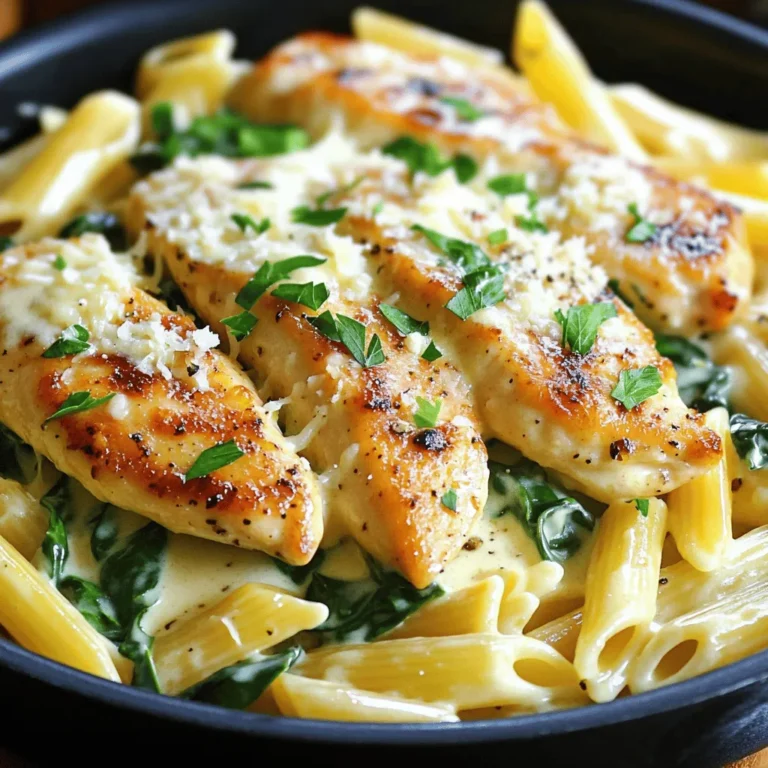
- 2 boneless, skinless chicken breasts - 8 oz penne pasta - 1 cup heavy cream - 1 cup freshly grated Parmesan cheese - Olive oil - 3 cloves garlic, finely minced - 1 teaspoon Italian seasoning blend - 1 cup baby spinach leaves - Salt to taste - Freshly ground black pepper to taste - Fresh parsley, chopped (for garnish) Gathering these ingredients is the first step. I always buy fresh chicken and high-quality cheese. It makes a big difference in flavor. I love using freshly grated Parmesan. It melts better and tastes richer than pre-packaged cheese. The seasonings add depth to the dish. Garlic gives a nice aroma, while Italian seasoning brings warmth. Baby spinach adds color and nutrition. Always taste for salt and pepper. Adjust them to your liking. For the best results, use good olive oil. It helps sear the chicken perfectly. The parsley not only looks nice but adds freshness. These ingredients create a creamy, savory dish. Each bite of Creamy Parmesan Chicken with Penne will delight your taste buds. For the full recipe, check the details above. 1. Bring a large pot of salted water to a boil. 2. Add the penne pasta and cook as the package directs, usually 10-11 minutes. 3. Drain the pasta and set it aside. Reserve a splash of pasta water to use later. 1. While the pasta cooks, heat olive oil in a large skillet over medium heat. 2. Season both sides of the chicken breasts with salt, pepper, and Italian seasoning. 3. Place the chicken in the hot skillet. Cook for about 6-7 minutes on each side until golden brown. 4. Check that the chicken reaches an internal temperature of 165°F (75°C). Remove it from the skillet and let it rest. 1. Lower the heat and add minced garlic to the same skillet. Sauté for about 1 minute until fragrant. 2. Pour in the heavy cream and bring to a gentle simmer while stirring. 3. Gradually add the grated Parmesan cheese. Stir continuously until the cheese melts and the sauce is smooth. 1. Add the baby spinach to the creamy sauce. Stir until it wilts down, about 1-2 minutes. 2. Add the cooked penne pasta to the sauce. Toss gently to combine everything. 3. If the sauce is too thick, adjust the consistency with reserved pasta water. 1. Slice the rested chicken into strips. Arrange it on top of the creamy penne pasta. 2. Garnish with freshly chopped parsley and serve immediately. For a complete guide, check out the Full Recipe. To keep your sauce from separating, focus on the temperature. Always cook over low to medium heat. If it gets too hot, the cream can break. Stir often for a nice, smooth blend. To get the best texture, add the cheese slowly. This way, it melts evenly and creates that creamy goodness you love. To ensure your chicken stays juicy, don’t skip the resting step. After cooking, let it sit for a few minutes. This helps the juices stay inside. You can marinate the chicken before cooking for more flavor. Try a mix of olive oil, lemon juice, and garlic for a tasty marinade. For perfect al dente pasta, follow the package instructions closely. Test the pasta a minute before the time ends. It should be firm but not hard. When draining, save a cup of pasta water. This water is starchy and can help thicken your sauce. {{image_4}} You can switch up the protein in this dish. Shrimp works well and adds a nice touch. Tofu is a great choice for a vegetarian option. Both will soak up the creamy sauce beautifully. If you prefer a lighter sauce, try half-and-half instead of heavy cream. It still gives a rich flavor without the extra calories. You can also use Greek yogurt for a tangy twist, but be sure to add it at the end to prevent curdling. To kick up the flavor, add sun-dried tomatoes or artichokes. These ingredients bring a burst of taste and color. You can also try herbs like fresh basil or oregano for a fragrant boost. Just sprinkle them in as you stir the sauce. If you need a gluten-free option, choose gluten-free penne pasta. Many brands offer delicious alternatives made from rice or lentils. You can also make this dish vegetarian by omitting the chicken and adding more veggies. Zucchini, bell peppers, or mushrooms work well. Experimenting with these variations can make your creamy Parmesan chicken with penne even more delightful! For detailed instructions, check out the Full Recipe. To keep your creamy pasta fresh, store it in a sealed container. Make sure it cools to room temperature first. Refrigerate it within two hours after cooking. This helps stop bacteria. For freezing, use airtight containers. Portion it out for easy meals later. It can last in the freezer for up to three months. When you reheat, add a splash of water or cream if it looks dry. In the fridge, Creamy Parmesan Chicken with Penne lasts about three to four days. Always check for signs of spoilage. If it smells sour or has mold, throw it away. If the color changes or it looks slimy, do not eat it. To reheat, gently warm it on the stove over low heat. Stir it often to avoid sticking. You can also use the microwave. Heat in short bursts, stirring in between. This way, you keep the creamy texture. Avoid high heat, as it can make the sauce separate. Enjoy your meal just as much the next day! You can prep this dish ahead of time. First, cook the penne and chicken. Store them in separate containers in the fridge. Prepare the creamy sauce the day you plan to eat it. This way, the pasta and chicken stay fresh. Reheat everything together before serving. You can also cut the chicken into strips for quick heating. This saves time on busy nights. Yes, you can use half-and-half or whole milk as a lighter choice. Both options reduce the fat a bit. However, the sauce will be less rich and creamy. If you want a similar texture, try adding a little cornstarch. Mix it with the milk before adding it to the sauce. This will help thicken it up. Great sides include fresh salads or steamed veggies. A simple green salad with lemon dressing works well. Roasted broccoli or asparagus are tasty choices, too. Garlic bread is another nice touch. It helps soak up the creamy sauce. Yes, this recipe is perfect for meal prep! Start by portioning the creamy penne and chicken into containers. Store them in the fridge for up to four days. To reheat, warm them in the microwave or on the stove. Be sure to add a splash of water if the sauce thickens too much. For the complete recipe and detailed instructions, check out the Full Recipe. In this post, we explored how to make Creamy Parmesan Chicken with Penne. We started with the key ingredients, including chicken, pasta, and cream. I shared step-by-step instructions to guide you through cooking each part of the dish. Tips helped to elevate your cooking, while variations showed how to tailor the recipe to your taste. Finally, we discussed storage and reheating for leftovers. With this recipe, you can create a creamy, delicious meal that’s easy to customize and enjoy repeatedly. Happy cooking!

Creamy Parmesan Chicken with Penne Delightful Dish

Read More Creamy Parmesan Chicken with Penne Delightful DishContinue

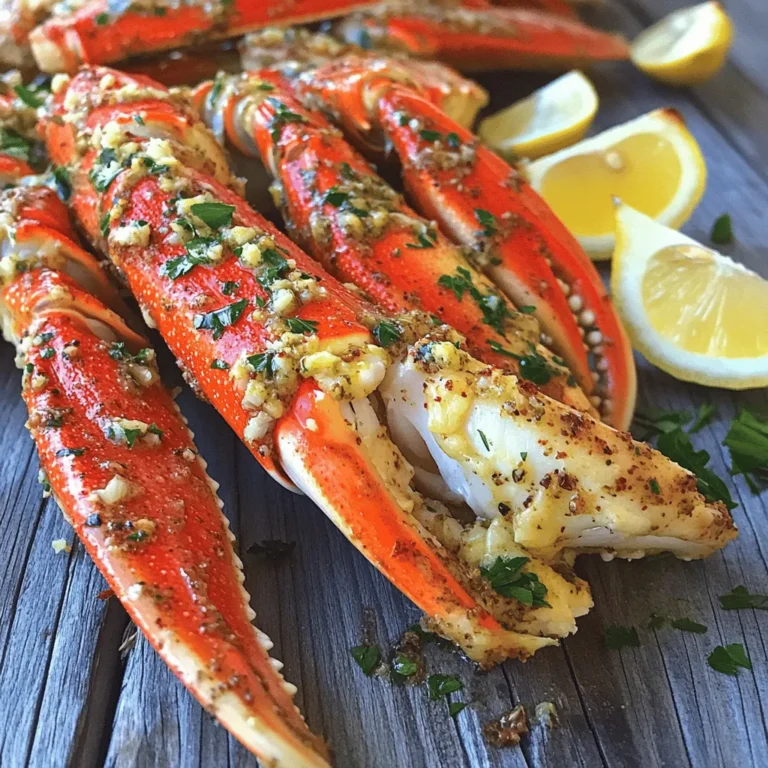
- 2 pounds frozen Alaskan crab legs - 4 tablespoons unsalted butter, melted - 2 cloves garlic, finely minced - 1 tablespoon freshly squeezed lemon juice - 1 teaspoon smoked paprika - 1 teaspoon Old Bay seasoning - Sea salt and freshly cracked black pepper, to taste - Fresh parsley, finely chopped (for garnish) - Lemon wedges, for serving To make homemade baked crab legs, you need simple, fresh items. I love using frozen Alaskan crab legs for this recipe. They are tender and full of flavor. You can find them in most grocery stores. Next, I use unsalted butter. The butter adds richness to the dish. You will also need garlic, which gives a lovely aroma and taste. Fresh lemon juice adds brightness and balances the flavors. Smoked paprika and Old Bay seasoning give the crab legs a unique taste. Sea salt and black pepper are key for seasoning the dish. For garnish, fresh parsley adds color and a fresh note. Lastly, lemon wedges serve as a perfect side. They add a zesty touch when squeezed over the crab legs. Gather these ingredients before starting your cooking adventure. - Baking dish - Aluminum foil - Mixing bowl - Whisk - Basting brush You will need a few tools to make this recipe easy. A baking dish helps hold the crab legs while they bake. Aluminum foil is essential to keep the moisture in while cooking. A mixing bowl is perfect for combining the garlic butter mix. I recommend a whisk to blend the ingredients well. Finally, a basting brush is great for applying the garlic butter to each crab leg. With these ingredients and tools, you are ready to create a delicious dish. Don't forget to check the full recipe for detailed steps! Set your oven to 375°F (190°C). This heat helps cook the crab legs evenly. Rinse frozen crab legs under cold water to slightly thaw. This makes them easier to handle later. In a bowl, combine melted butter, minced garlic, lemon juice, smoked paprika, Old Bay seasoning, salt, and pepper. Whisk until smooth. This garlic butter adds great flavor. Place crab legs in a baking dish. Brush each leg with the garlic butter mix. Make sure to coat every part for the best taste. Cover the dish tightly with foil. Bake for 20-25 minutes. If your legs are larger, add another 5-10 minutes. This step cooks the crab meat fully. After baking, carefully remove the foil. Set your oven to broil. Broil the crab legs for 2-3 minutes for a toasted finish. This gives them a delicious crispiness. Enjoy your homemade baked crab legs! For the full recipe, check back on the main article. When picking crab legs, you have two main choices: frozen or fresh. Frozen crab legs are often more convenient and can be just as tasty as fresh ones. They are usually caught and cooked right away, then frozen. This keeps them fresh until you are ready to cook. If you can find fresh crab legs, they can be a treat if you cook them the same day. Alaskan and Dungeness crab legs are my favorites. Alaskan crab legs are thick and sweet, while Dungeness legs are tender with a lovely, mild flavor. To make your crab legs even tastier, think about adding herbs or spices. Fresh herbs like parsley or dill add brightness. You can also try spices like chili powder or lemon zest for a kick. Butter is a classic choice for dipping. You can play with different flavors too. Try garlic or herb-infused butter to add depth. Mixing in a splash of hot sauce can give your dish a fun twist. Let your taste buds guide you! Cooking time can change based on the size of your crab legs. For smaller legs, 20 minutes in the oven is perfect. Larger legs may need 25 to 30 minutes. Always check if they are hot all the way through. To cook evenly, spread the legs out in a single layer in the baking dish. Covering them with foil helps keep moisture in, making them juicy and tender. If you want a crispy finish, broil them for a few minutes at the end. This adds a delightful crunch! {{image_4}} To make spicy baked crab legs, I add chili flakes or hot sauce to the butter. This gives the dish a nice kick. Simply mix your preferred amount of chili flakes into the garlic butter. Brush it over the crab legs just like in the full recipe. If you love heat, start with one teaspoon and adjust to taste. You can also serve with extra hot sauce on the side. This variation is perfect for those who crave a little heat in their seafood. For a fresh twist, I use citrus like lime or orange juice in the recipe. This brightens the dish and adds a zesty flavor that pairs well with crab. Just squeeze some fresh juice into the garlic butter mix. You can use one tablespoon of lime juice or orange juice. Brush this mixture over the crab legs before baking. The citrus will enhance the natural sweetness of the crab and give it a unique flavor profile. If you love herbs, try mixing fresh or dried herbs into the garlic butter. I recommend using parsley, thyme, or dill. These herbs add great taste and aroma to the dish. Just chop the fresh herbs finely or measure out dried ones. Mix them into the butter mixture before brushing it onto the crab legs. This variation gives the crab a lovely herbaceous note, making it even more delightful. After a delicious meal, you might have leftover crab legs. To keep them fresh, first let them cool to room temperature. Then, place them in an airtight container. Store the container in the fridge. They can stay good for about three days. When you want to eat them, check for any off smells or changes in color. Reheating crab legs can be tricky. The best way is to use the oven. Preheat it to 350°F (175°C). Place the crab legs on a baking tray. Cover them with foil to keep them moist. Heat for about 10-15 minutes. You can also use the microwave. Place the legs in a microwave-safe dish with a bit of water. Cover it and heat in short bursts. Check often to avoid overcooking. If you want to store crab legs longer, freezing is a great choice. Wrap each leg tightly in plastic wrap. Then, place them in a freezer bag. Squeeze out the air before sealing. They can stay fresh for up to six months. When ready to eat, thaw them overnight in the fridge. Always remember to cook them after thawing for the best taste. For the full recipe, check the section above. To check if your crab legs are done, look for a few signs. First, the color should change to a bright orange. This means they are heated through. Next, check the internal temperature. It should reach at least 145°F (63°C). If you see and feel these signs, your crab legs are good to go! Yes, you can easily switch out crab legs for other seafood. Shrimp or lobster tails work great! They have similar cooking times and flavors. You could even try scallops for a different taste. Just adjust the baking time as needed. There are many tasty sauces you can use. A classic choice is melted garlic butter. It adds a rich flavor. You can also try a spicy cocktail sauce for a kick. Lemon butter sauce is fresh and zesty. For something unique, mix mayo with sriracha for a creamy dip. Enjoy experimenting with your favorite flavors! The steps for baking crab legs blend flavor and fun. You pick the best ingredients, like crab and seasonings, then follow simple steps. From preparing the crab legs to adding tasty garlic butter, every part matters. Experiment with new flavors and keep leftovers right for later. Remember, cooking can be easy and enjoyable! Now it's time for you to try this delicious dish and impress your family and friends. Enjoy the feast ahead!

Homemade Baked Crab Legs Tasty and Simple Recipe

Read More Homemade Baked Crab Legs Tasty and Simple RecipeContinue

To make garlic butter shrimp, gather these simple ingredients: - 1 lb large shrimp, deveined and peeled - 6 tablespoons unsalted butter - 5 cloves garlic, finely minced - 1 teaspoon red pepper flakes - 1 lemon, zested and juiced - 2 tablespoons fresh parsley, finely chopped - Salt and freshly ground black pepper, to taste - Optional: 1 tablespoon extra virgin olive oil These ingredients create a dish full of flavor. The shrimp give a sweet and briny taste. The garlic brings a warm, earthy aroma. Butter adds richness and a smooth texture. Lemon juice brightens the dish and balances the flavors. Fresh parsley gives a pop of color and freshness. Feel free to adjust the red pepper flakes. If you like heat, add more! If you prefer a milder flavor, use less. The optional olive oil helps prevent butter from burning. It adds depth to the dish. Once you gather these ingredients, you're ready to dive into the world of garlic butter shrimp. For a full recipe, check out the section above. To start, heat a large skillet over medium heat. Add 3 tablespoons of unsalted butter and, if you like, 1 tablespoon of extra virgin olive oil. This oil helps keep the butter from burning and adds flavor. Once the butter melts, add 5 cloves of minced garlic along with 1 teaspoon of red pepper flakes. Sauté for about 1-2 minutes. Stir often until the garlic smells great and turns light golden brown. Watch closely, so the garlic doesn’t burn. Now, it’s time for the shrimp. Carefully add 1 pound of peeled and deveined shrimp to the skillet. Spread them out in a single layer. Season with salt and freshly ground black pepper. Let the shrimp cook for about 2-3 minutes without stirring. You will see them change color to pink and opaque. When they look good, gently flip the shrimp over. Add the zest and juice from 1 lemon along with the remaining 3 tablespoons of butter. Cook for another 2-3 minutes until the shrimp are fully cooked and coated in the buttery sauce. When the shrimp are done, take the skillet off the heat. Stir in 2 tablespoons of finely chopped parsley. Taste the dish and adjust seasoning by adding more salt or pepper if needed. Serve the garlic butter shrimp hot to enjoy the best flavor. For more details, check the Full Recipe. To make your garlic butter shrimp shine, focus on two key areas: garlic and seasoning. - Avoid burning garlic: Garlic burns fast. Keep your heat at medium. Stir it often. You want it golden, not dark. Burnt garlic tastes bad. - Adjust seasoning to preference: Taste is personal. Start with salt and pepper. Add more to match your liking. You can also play with red pepper flakes for heat. Now, let’s talk about how to serve your dish. Presentation matters, and there are tasty ways to enjoy it. - Pairing with rice or bread: Serve your shrimp over fluffy rice. Jasmine or basmati works great. If you prefer, slice some warm bread. It soaks up the sauce well. - Garnishing ideas: Fresh parsley adds color. A few lemon wedges brighten your plate. A sprinkle of extra red pepper flakes adds a kick. Need more help? Here are some useful tools. - Suggested video tutorial or high-quality images: Look for a video that shows the steps in action. It helps to see the cooking process. - Nutritional information: Check out the calories and nutrients in this dish. It’s good to know what you're eating. For the full recipe, click [Full Recipe]. Enjoy cooking! {{image_4}} You can play with the flavors in garlic butter shrimp. For a kick, try Spicy Garlic Butter Shrimp. Just add more red pepper flakes. Adjust the heat to your taste. This gives the dish a nice kick that many love. Another great option is Lemon Herb Garlic Shrimp. Add fresh herbs like thyme or basil for a fresh twist. You can also squeeze extra lemon juice for more brightness. This variation makes the dish feel light and refreshing. You can swap some ingredients for different flavors. Instead of butter, try using olive oil. This gives a different taste and is a healthier choice. You can also use ghee for a rich flavor. Adding vegetables can change the dish too. Toss in asparagus or cherry tomatoes. These add color and nutrients. They cook quickly and soak up the garlic butter sauce. If you need gluten-free options, this recipe is easy. Just make sure your red pepper flakes and any other spices are gluten-free. For a dairy-free option, use olive oil instead of butter. You can also try vegan butter. This keeps the flavor while making it suitable for those avoiding dairy. By making these small adjustments, you can enjoy garlic butter shrimp in many ways. For the full recipe, check out the details above. To store leftovers, place the garlic butter shrimp in an airtight container. Ensure the shrimp cool down first. This keeps them fresh and tasty. You should eat the leftovers within 2 days. The flavors stay best within this time. For reheating, I suggest using a skillet. Heat it on low and add a little butter. This method keeps the shrimp moist. Stir gently to avoid overcooked shrimp. If you use the microwave, heat in short bursts. Check every 30 seconds until warm. You can freeze cooked shrimp for later use. Place them in a freezer-safe bag and remove as much air as possible. They can last up to 3 months in the freezer. To defrost, place the shrimp in the fridge overnight. For a faster method, submerge the bag in cold water. This way, you can enjoy your garlic butter shrimp whenever you want. For the full recipe, check out the [Full Recipe]. Cook shrimp for about 2-3 minutes on each side. They turn pink and opaque. This short time keeps them tender and juicy. Overcooking makes them tough. Always check their texture before serving. Yes, you can use frozen shrimp. Thaw them first in cold water. It takes about 15-20 minutes. Pat them dry before cooking. This helps them sear nicely in the pan. Cooking frozen shrimp directly may not give the best results. You can pair garlic butter shrimp with many sides. Rice is a great choice, like jasmine or basmati. You can also serve it with crusty bread. A fresh salad or steamed veggies work well too. They balance the rich flavors of the shrimp. This recipe is very flexible. You can adjust the spice level by adding more or less red pepper flakes. Want a different flavor? Try adding fresh herbs like basil or cilantro. You can even add veggies like asparagus or bell peppers. The choice is yours! For the full recipe, check the earlier section. This blog post covered a simple garlic butter shrimp recipe with step-by-step instructions. You learned about key ingredients, cooking tips, and variations for flavor. Storing and reheating shrimp was also discussed. This dish is not only easy to make, but it’s also delicious too. Experiment with the ingredients or try new sides to make it your own. Enjoy your cooking, and have fun exploring different flavors and options!

Garlic Butter Shrimp Savory and Quick Weeknight Meal

Read More Garlic Butter Shrimp Savory and Quick Weeknight MealContinue

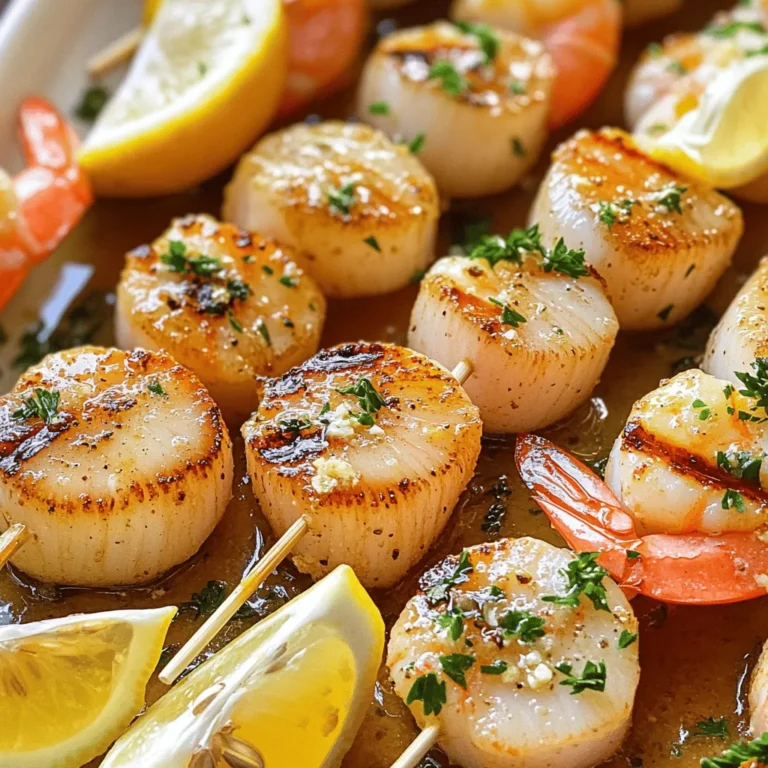
- 12 large sea scallops - 12 large shrimp, peeled and deveined - 2 tablespoons unsalted butter, melted - 2 cloves garlic, minced - 1 tablespoon fresh lemon juice - 1 teaspoon smoked paprika - 1 teaspoon fresh thyme (or 1/2 teaspoon dried thyme) - Salt and freshly ground black pepper to taste - Skewers (if wooden, soak in water for 30 minutes to prevent burning) - Fresh lemon wedges and chopped parsley for garnish Using fresh, high-quality seafood is key. I love the taste of large sea scallops and juicy shrimp. They make each bite feel like a treat. The melted butter, garlic, and seasonings create a marinade that blends well. The smoked paprika gives a nice touch of warmth, while the lemon juice brightens the dish. Marinating the seafood adds flavor and enhances the dish. I prefer to let the scallops and shrimp soak for 15 to 20 minutes. This time allows the flavors to seep in. Just remember to coat them well. The blend of spices makes them taste amazing. When grilling, keep an eye on the skewers. They cook quickly, just 2 to 3 minutes on each side. I like to see the shrimp turn pink and the scallops get a golden crust. This means they are ready to eat. You can find the full recipe with all the steps I follow to make these skewers delicious. First, grab a medium bowl. In this bowl, I whisk together the melted butter, minced garlic, fresh lemon juice, smoked paprika, thyme, salt, and pepper. Mix until everything blends well. The smell will be amazing! Now, gently add the scallops and shrimp into the bowl. Make sure they are coated in the flavorful butter mix. Cover the bowl and place it in the fridge for 15-20 minutes. This time helps the seafood soak up all the great flavors. While your seafood marinates, preheat your grill. Get it hot on medium-high heat. After marinating, take your skewers. Thread 2 scallops and 2 shrimp onto each skewer, alternating them. Aim for 3 skewers for even cooking. Place the skewers on the grill and cook for 2-3 minutes on each side. Watch closely! The shrimp should turn pink and the scallops should get a nice golden crust. This is key to perfect seafood. When they are done, remove the skewers from the grill. Drizzle any leftover marinade over them for extra flavor. Finish with fresh lemon wedges and chopped parsley for a pop of color. For the full recipe, check out the complete details. Monitor the grill time closely. Scallops and shrimp cook fast. If you overcook them, they become tough and dry. Cook for just 2-3 minutes on each side. Look for shrimp to turn pink and scallops to get a nice golden crust. This careful timing keeps your seafood juicy. After grilling, drizzle any leftover marinade over the skewers. This adds extra flavor. You can also serve a small bowl of the marinade on the side. It makes dipping easy and fun. The extra taste makes the dish even more special. Arrange the skewers on a bright platter. This makes them stand out. Garnish them with fresh lemon wedges and chopped parsley. The green and yellow colors add a nice touch. A well-presented dish impresses guests and makes the meal feel gourmet. {{image_4}} You can add chili flakes to bring heat to your skewers. The spice balances well with the sweet seafood. Fresh herbs like basil or cilantro can also enhance the taste. They add a bright note to the dish. Try mixing in a bit of lime zest for a citrus twist. This small change can make a big difference in flavor. If you prefer cooking indoors, you can bake or pan-sear the skewers. For baking, place them on a lined baking sheet. Bake at 400°F for about 10-12 minutes. Flip them halfway through to ensure even cooking. For pan-searing, use a hot skillet with a little oil. Cook for about 3-4 minutes on each side. Both methods yield tasty results while keeping your kitchen smoke-free. These skewers shine when paired with sides. A simple rice dish complements the seafood well. You can also serve them with a fresh salad. Grilled vegetables add a nice touch, too. For a fun twist, serve with a dipping sauce. A garlic lemon aioli or a spicy cocktail sauce works wonders. Each option enhances the meal and adds variety to your plate. For the complete recipe, check out the Full Recipe. To keep your buttery scallop and shrimp skewers fresh, refrigerate them in an airtight container. They taste best when eaten within 2 days. If you plan to enjoy them later, this is the way to go. When you're ready to eat your leftovers, gently reheat the skewers. You can do this in a pan over low heat or use the microwave. This keeps the seafood tender. Just be careful not to overcook them. If you want to save some skewers for later, you can freeze them. Freeze raw marinated skewers for up to 2 months. Just remember to thaw them before cooking. This way, you can enjoy a tasty meal anytime. For the full recipe, just check the earlier sections! Yes, but ensure they are completely thawed and patted dry before marinating. This step keeps the seafood from becoming watery and losing flavor. Soak wooden skewers in water for at least 30 minutes before using them. This simple trick helps prevent burning on the grill and keeps your seafood safe. These skewers pair well with quinoa, grilled vegetables, or a fresh green salad. Each option adds color and nutrition to your meal. No, scallops should be cooked until opaque and firm to ensure safety. Undercooked scallops can pose health risks, so always check for doneness. You now have a simple and tasty recipe for buttery scallop and shrimp skewers. We covered the ingredients, easy steps, and tips for great grilling. Remember to check the cooking time so your seafood stays tender. You can even try different spices or sides to make it your own. Enjoy making this dish for family or friends, and savor every bite. Cooking should be fun and delicious, so get grilling!

Buttery Scallop and Shrimp Skewers Deliciously Grilled

Read More Buttery Scallop and Shrimp Skewers Deliciously GrilledContinue

Page navigation

Previous PagePrevious 1 … 55 56 57 58 59 … 62 Next PageNext

Our Policys

  • Privacy Policy
  • Cookie Policy
  • Copyright Policy
  • GDPR Policy
  • Disclaimer
  • Terms Of Use

More Information

  • Home
  • About
  • Contact
  • Appetizer
  • Desserts
  • Dinner
  • Drinks

© 2026 fastmealmate

  • Home
  • Dinner
  • Appetizer
  • Desserts
  • Drinks
  • About
  • Contact
  • Privacy Policy
Search