Min Coconut Chicken Curry Flavorful and Easy Recipe
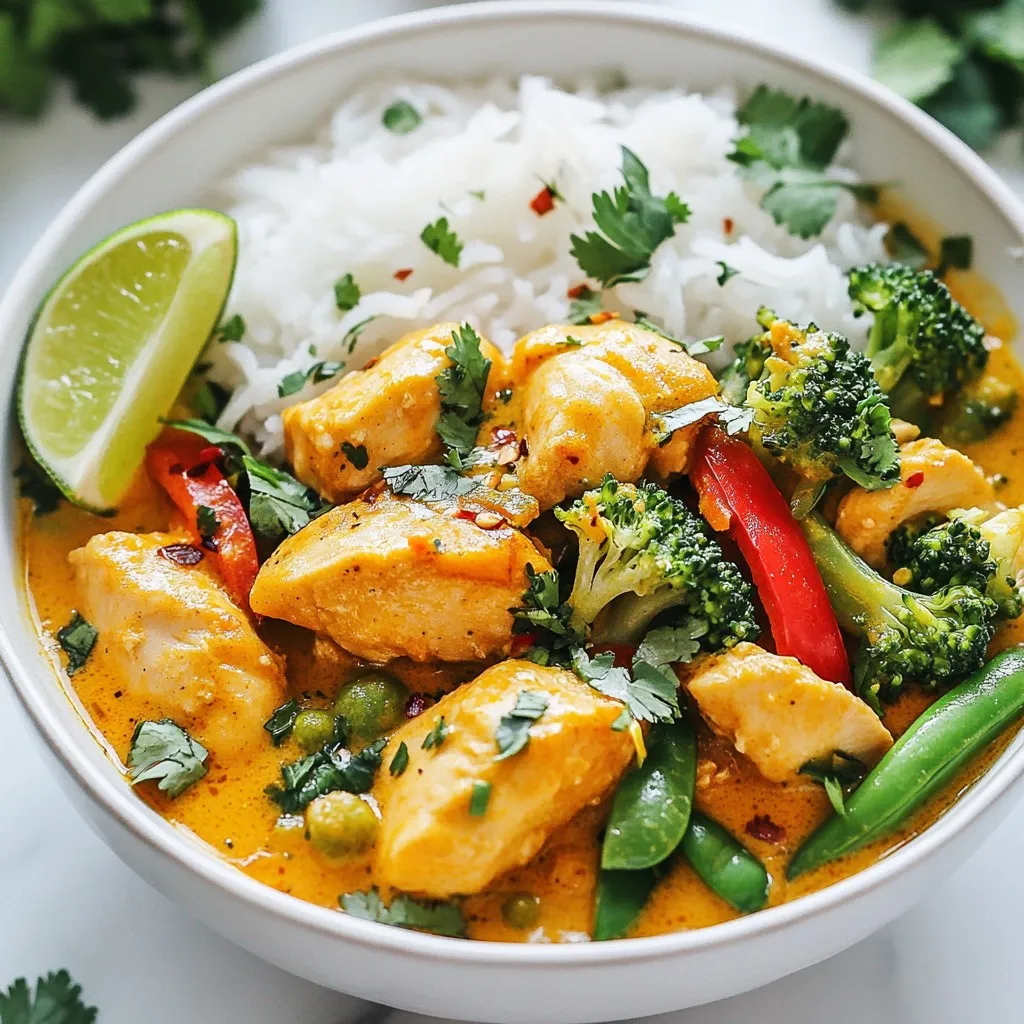
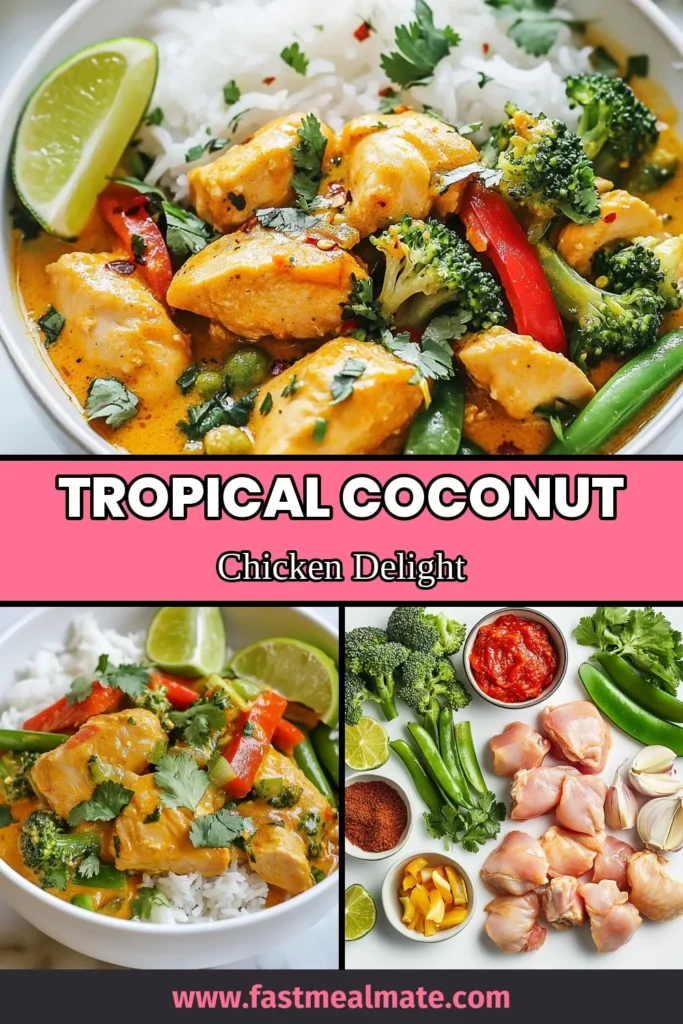
Are you ready to cook something warm and tasty? Min Coconut Chicken Curry is easy and full of flavor. In this post, I’ll share a simple recipe that even new cooks can handle. You’ll get tips on ingredients, cooking steps, and serving ideas. Whether you want it spicy or mild, I have variations for everyone. Let’s dive into this delicious dish and impress your family today!
Why I Love This Recipe
- Flavorful and Aromatic: This curry combines rich coconut milk and vibrant spices, creating a dish that is both comforting and exotic.
- Quick and Easy: In just 30 minutes, you can whip up a delicious meal that impresses family and friends without much fuss.
- Healthy Ingredients: Packed with colorful vegetables and lean chicken, this recipe is a nutritious option that doesn’t compromise on taste.
- Customizable: You can easily adjust ingredients to suit your taste preferences or dietary restrictions, making it a versatile dish.
Ingredients
List of main ingredients
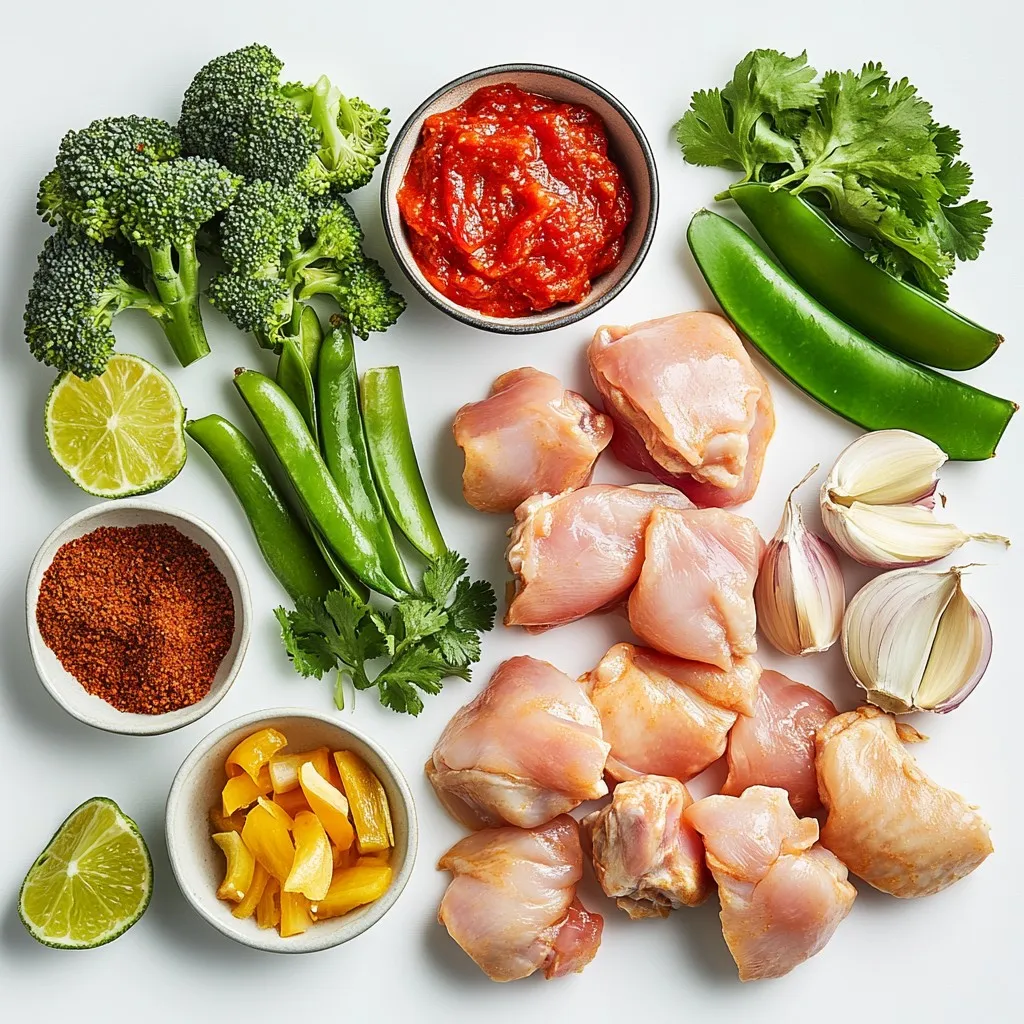
To make your Min Coconut Chicken Curry, you need these key items:
– 1 lb (450g) boneless chicken thighs, cut into bite-sized pieces
– 1 can (400ml) coconut milk
– 2 tablespoons red curry paste
– 1 tablespoon fresh ginger, grated
– 4 cloves garlic, minced
– 1 medium onion, finely chopped
– 1 bell pepper (red or yellow), sliced
– 1 cup broccoli florets
– 1 cup snap peas
– 2 tablespoons fish sauce (or soy sauce for a vegetarian option)
– 1 tablespoon brown sugar
– Juice of 1 lime
– Fresh cilantro, for garnish
– Salt and pepper to taste
– 2 tablespoons vegetable oil for cooking
Optional ingredients for variation
You can make this curry your own with these extras:
– Add diced carrots for a sweet crunch.
– Use spinach for a nutrient boost.
– Toss in some chopped tomatoes for added acidity.
– Try different curry pastes like green or yellow for unique flavors.
Common substitutions
If you can’t find an ingredient, here are some swaps:
– Use chicken breast instead of thighs for a leaner option.
– Swap coconut milk with almond or soy milk for a lighter base.
– Use vegetable broth instead of fish sauce for a vegan twist.
– Replace lime juice with lemon juice for a similar brightness.
This ingredient list gives you the tools to create a tasty, vibrant dish. Enjoy experimenting with flavors and making it your own!
Step-by-Step Instructions
Preparation and cooking overview
First, get all your ingredients ready. This makes cooking smooth and fun. You will need chicken, coconut milk, red curry paste, ginger, garlic, onion, bell pepper, broccoli, snap peas, fish sauce, brown sugar, lime, cilantro, salt, and pepper. The total time to make this dish is about 30 minutes.
Detailed cooking process
1. Heat 2 tablespoons of vegetable oil in a large skillet over medium heat.
2. Add the finely chopped onion, minced garlic, and grated ginger. Cook for 2-3 minutes. You want them to smell great.
3. Mix in 2 tablespoons of red curry paste and cook for 1 minute. This helps the flavors come alive.
4. Now, add 1 pound of bite-sized chicken thighs. Season with salt and pepper. Cook for 5-7 minutes until the chicken is brown.
5. Pour in 1 can of coconut milk. Stir well to mix the curry paste and milk.
6. Add 2 tablespoons of fish sauce (or soy sauce) and 1 tablespoon of brown sugar. Let it simmer gently.
7. Toss in 1 sliced bell pepper, 1 cup of broccoli florets, and 1 cup of snap peas. Cook for 5-7 minutes until the veggies are tender.
8. Squeeze the juice of 1 lime into the curry. Taste and adjust seasoning with more salt or lime juice if needed.
9. Remove from heat and garnish with fresh cilantro.
Serving suggestions and garnishing
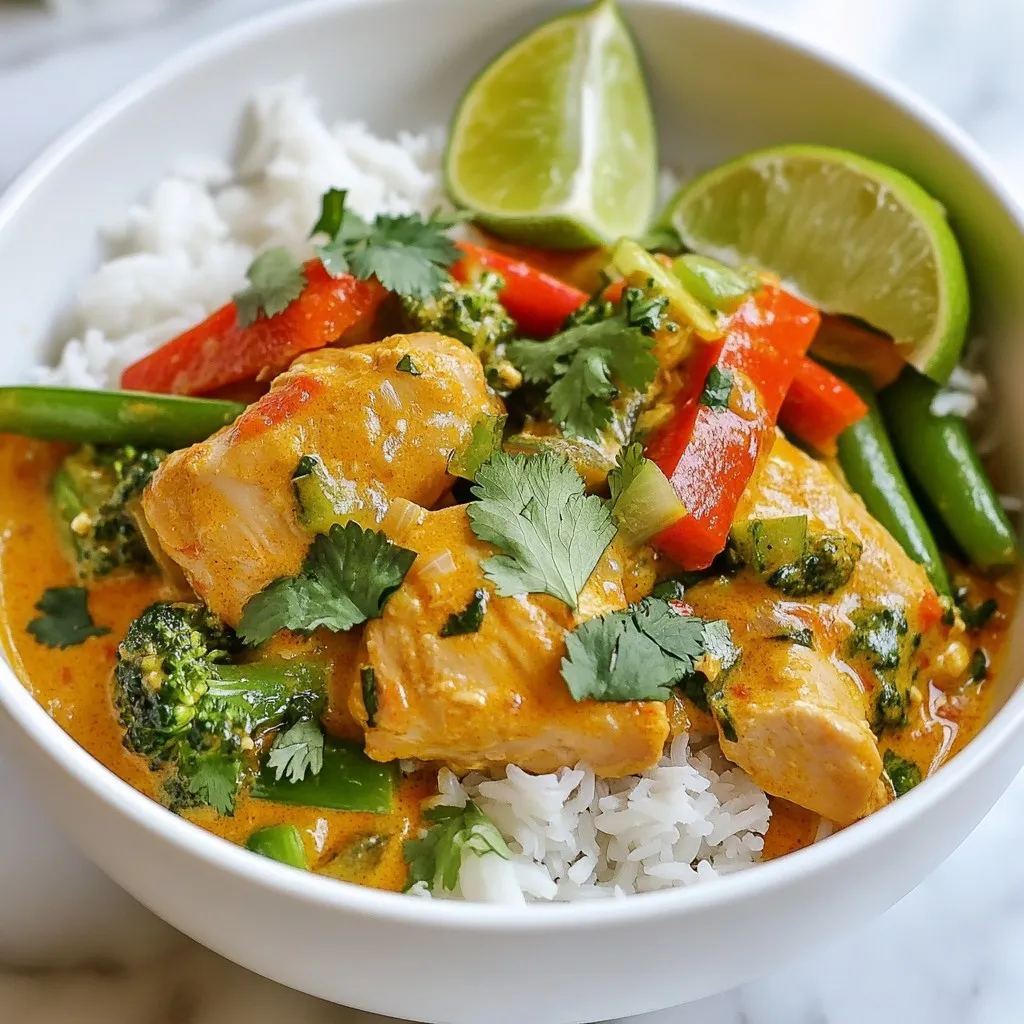
Serve your Tropical Coconut Chicken Curry over jasmine rice or quinoa. The rice soaks up the lovely sauce. Add a sprinkle of cilantro on top for color. Lime wedges on the side add a fresh taste with each bite. Enjoy your meal!
Tips & Tricks
Pro tips for enhancing flavor
To boost the flavor of your Min Coconut Chicken Curry, consider these simple tips:
– Use fresh ingredients when possible. Fresh ginger and garlic make a big difference.
– Add a pinch of salt while cooking to bring out the flavors.
– Experiment with herbs like basil or mint for a fresh twist.
– Use fresh lime juice right before serving. It adds brightness and depth.
Cooking techniques for perfect chicken
To ensure your chicken is tender and juicy, follow these steps:
– Start with boneless chicken thighs. They stay moist during cooking.
– Cook chicken on medium heat. This helps it brown evenly.
– Avoid overcrowding the pan. Cook in batches if needed. This prevents steaming.
– Check for doneness. Chicken should reach an internal temperature of 165°F.
Recommendations for maintaining texture
To maintain the best texture in your coconut chicken curry, keep these points in mind:
– Add vegetables at the right time. Add them after the chicken is mostly cooked.
– Stir gently. This helps keep the chicken pieces intact.
– Don’t overcook the veggies. They should be tender but still crisp.
– Serve immediately. This ensures that everything stays fresh and vibrant.
Pro Tips
- Marinate for More Flavor: For an extra depth of flavor, marinate the chicken in lime juice, ginger, and garlic for at least 30 minutes before cooking.
- Customize the Veggies: Feel free to swap in your favorite vegetables like zucchini, carrots, or spinach based on what you have on hand or prefer.
- Adjust Spice Level: If you like more heat, add some chopped fresh chili or a dash of chili flakes when cooking the curry.
- Leftover Delight: This curry tastes even better the next day! Store leftovers in an airtight container in the fridge for up to 3 days.
Variations
Vegetarian or vegan options
You can easily make this dish vegetarian or vegan. Replace chicken with firm tofu. Cut tofu into small cubes. Sauté it until golden brown. Use soy sauce instead of fish sauce. This keeps the flavor rich and savory. You can add more veggies for texture. Try using mushrooms, eggplant, or zucchini. These changes make the curry just as delicious.
Alternative protein sources
If you want different proteins, consider shrimp or chickpeas. Shrimp cooks quickly and adds a nice taste. Chickpeas are perfect for a hearty option. They soak up the curry flavors well. Adjust cooking time for shrimp; it only takes a few minutes. For chickpeas, add them with the vegetables. They will soften in the curry sauce.
Flavor variations with different spices
You can change the flavor by adding new spices. Try turmeric for a warm taste. Cumin can give it an earthy depth. For a kick, add a pinch of cayenne pepper. You can also mix in fresh herbs like basil or mint. Each of these changes adds a unique twist to your curry. Don’t be afraid to experiment!
Storage Info
Best practices for refrigeration
To keep your Min Coconut Chicken Curry fresh, store it in an airtight container. Allow the curry to cool down first. This prevents steam from making it soggy. Place the container in the fridge within two hours of cooking. Properly stored, it can last for three to four days.
Freezing and reheating instructions
You can freeze the curry for longer storage. Just pour it into a freezer-safe container. Leave some space at the top for expansion. It can stay good for up to three months. When you’re ready to eat, thaw it overnight in the fridge. Reheat it on the stove over low heat. Stir often to heat it evenly. You can also use the microwave; just be sure to cover it to avoid splatters.
Shelf life and food safety tips
Always check for signs of spoilage before eating. If the curry smells off or looks strange, it’s best to throw it away. Remember to reheat leftovers to at least 165°F (74°C) to kill any bacteria. Enjoy your curry while it’s fresh for the best flavor!
FAQs
What is the best way to reheat coconut chicken curry?
The best way to reheat coconut chicken curry is on the stove. Pour the curry into a pot. Heat it on low to medium heat. Stir often until it bubbles. This keeps the chicken juicy and the sauce creamy. You can also use a microwave. Transfer the curry to a microwave-safe bowl. Cover it with a lid or wrap. Heat in short bursts, stirring in between. This method works well too.
Can I use different vegetables in this curry?
Yes, you can use different vegetables in this curry. Feel free to add your favorites. Carrots, zucchini, or baby corn work great. Just cut them into bite-sized pieces. You can also mix in spinach or kale. Add leafy greens near the end to keep them bright. The goal is to keep a balance of flavors and textures.
What can I serve with coconut chicken curry?
You can serve coconut chicken curry with many sides. Jasmine rice is a classic choice. It soaks up the sauce well. Quinoa is a great healthy option too. You can also pair it with naan bread. This adds a nice touch to your meal. For a refreshing side, consider a simple salad.
How do I adjust the spiciness of the curry?
To adjust the spiciness, start with less red curry paste. Add a little at a time while cooking. You can always add more, but it’s hard to take it out. If the curry is too spicy, add more coconut milk. This will cool down the heat. Squeeze in some additional lime juice for balance, too.
We covered the key ingredients and steps for making coconut chicken curry. You learned about optional ingredients, common substitutions, and cooking techniques to enhance flavor. I shared tips for perfect texture and served suggestions. We also explored variations, storage info, and answered frequently asked questions.
Now, you have the tools to create your own delicious curry. Enjoy experimenting with flavors and make it your ow
Tropical Coconut Chicken Curry
Ingredients
- 1 lb boneless chicken thighs, cut into bite-sized pieces
- 1 can coconut milk
- 2 tablespoons red curry paste
- 1 tablespoon fresh ginger, grated
- 4 cloves garlic, minced
- 1 medium onion, finely chopped
- 1 bell pepper sliced (red or yellow)
- 1 cup broccoli florets
- 1 cup snap peas
- 2 tablespoons fish sauce (or soy sauce for a vegetarian option)
- 1 tablespoon brown sugar
- 1 juice of lime
- to taste salt and pepper
- 2 tablespoons vegetable oil for cooking
- for garnish fresh cilantro
Instructions
- Begin by warming the vegetable oil in a large skillet or pot over medium heat. Once hot, add the finely chopped onion, minced garlic, and grated ginger. Sauté these aromatic ingredients for 2-3 minutes, or until they release a delightful fragrance.
- Stir in the red curry paste to the skillet, cooking for an additional minute. This step allows the spices to bloom and enhances the overall flavor of the dish.
- Introduce the bite-sized chicken pieces into the skillet. Season generously with salt and pepper. Cook the chicken for about 5-7 minutes, stirring occasionally, until it is evenly browned on all sides.
- Pour in the can of creamy coconut milk, stirring well to integrate the curry paste with the coconut milk. Add in the fish sauce (or soy sauce) and brown sugar, then bring the mixture to a gentle simmer.
- Carefully add the sliced bell pepper, broccoli florets, and snap peas into the curry. Allow everything to cook together for an additional 5-7 minutes, or until the vegetables are tender and the chicken is thoroughly cooked through.
- Once cooked, squeeze in the fresh lime juice and taste the curry. Adjust the seasoning as needed with more salt, pepper, or additional lime juice for brightness.
- Remove the skillet from heat and generously garnish your Tropical Coconut Chicken Curry with fresh cilantro before serving.
![To make One Pan Harvest Chicken and Maple Veggies, gather these key ingredients: - 4 boneless, skinless chicken thighs - 1 large sweet potato, peeled and diced into 1-inch cubes - 2 cups Brussels sprouts, halved - 2 medium carrots, sliced into rounds - 1 large red onion, cut into wedges - 1/4 cup pure maple syrup These ingredients create a colorful and flavorful dish. The chicken provides protein, while the veggies add texture and sweetness. For the delicious marinade, you will need: - 2 tablespoons extra virgin olive oil - 1 teaspoon garlic powder - 1 teaspoon smoked paprika - 1 teaspoon dried thyme - Salt and freshly ground black pepper, to taste This mix of spices brings depth to the chicken. The olive oil helps keep the meat moist and tender. Feel free to switch up the veggies based on what is fresh. Here are some ideas: - Swap sweet potatoes for butternut squash in the fall. - Try green beans instead of Brussels sprouts in the summer. - Use parsnips in place of carrots for a unique flavor. Adjusting your veggies can keep this dish exciting and fresh throughout the year. For the full recipe, check out the complete guide. First, preheat your oven to 400°F (200°C). This step is key for even cooking. While the oven heats, gather your ingredients. You will need chicken thighs, veggies, and seasonings. Make sure to wash the vegetables well. This ensures a fresh taste in your dish. In a large bowl, add two tablespoons of extra virgin olive oil. Then, mix in one teaspoon each of garlic powder, smoked paprika, and dried thyme. Don’t forget to sprinkle in some salt and pepper. This blend will give your chicken great flavor. Now, add the chicken thighs to the bowl. Use your hands or a spoon to coat each piece well with the marinade. Make sure every inch gets some love. In another bowl, toss together the sweet potatoes, Brussels sprouts, carrot rounds, and red onion wedges. Drizzle half of the maple syrup over the veggies. Stir them until they are well coated. Next, take a large baking sheet or oven-safe skillet. Place the marinated chicken in the center and surround it with the veggies. This layout helps everything cook evenly. Finally, pour the remaining maple syrup over the chicken and veggies. This adds sweetness and flavor. Now, you’re ready to bake! For the full recipe details, check out [Full Recipe]. To get juicy chicken, choose boneless, skinless thighs. They stay moist and cook evenly. Use a meat thermometer to check doneness. Aim for 165°F (75°C) in the thickest part. Let the chicken rest for a few minutes after baking. This helps keep the juices inside. Each vegetable cooks at a different rate. Sweet potatoes need longer, while Brussels sprouts cook fast. Cut the sweet potatoes smaller for even cooking. If you want softer carrots, slice them thinner. Always check the doneness of your veggies with a fork. They should be tender but not mushy. For a rustic look, serve right from the pan. This shows off the colors and textures. If you prefer a more formal style, plate the chicken and veggies separately. Drizzle some maple glaze over the dish for shine and flavor. Adding fresh parsley as a garnish gives a bright touch. For a fun twist, use colorful plates to enhance the dish's appeal. For full details, check the Full Recipe. {{image_4}} You can mix and match veggies for your dish. If you want to try something new, consider using: - Butternut squash - Cauliflower florets - Green beans - Zucchini, sliced These options add different colors and tastes to your meal. Each veggie cooks well with the chicken and maple glaze. Feel free to experiment with what you have at home! You can switch up the protein for this recipe. If you prefer beef, use tender beef cuts. For a leaner option, turkey thighs work well too. If you want a plant-based meal, try chickpeas or tofu. Both soak up the flavors nicely. Use the same cooking time to keep everything balanced. Changing the herbs and spices can give your dish a fresh twist. Here are some ideas: - Swap thyme for rosemary for a woodsy taste. - Use cumin for a warm, earthy flavor. - Add a pinch of cinnamon for a hint of sweetness. These changes not only add new tastes but also keep things exciting in the kitchen. Don't hesitate to play around with different combinations to find what you love! Store any leftovers in an airtight container. This keeps the chicken and veggies fresh. Let them cool to room temperature before sealing. You can keep them in the fridge for up to three days. If you want to enjoy the meal later, consider freezing it. To reheat, preheat your oven to 350°F (175°C). Place the leftovers in an oven-safe dish. Cover it with foil to keep moisture in. Heat for about 15-20 minutes. This method helps keep the chicken juicy and the veggies tender. You can also use a microwave if you're short on time. Just cover the dish and heat for a few minutes until warm. If you freeze the dish, make sure to use a freezer-safe container. It can last up to three months in the freezer. When you're ready to eat, thaw it in the fridge overnight. This helps maintain texture and taste. After thawing, reheat it using the oven or microwave for the best results. Enjoy your meal again with great flavor! Yes, you can use chicken breast. Chicken breasts cook faster than thighs. They may dry out if overcooked. I recommend checking the temperature early. Aim for 165°F (75°C). Adjust the cooking time to about 20-25 minutes. This keeps the meat tender and juicy. To make this dish gluten-free, ensure all ingredients are gluten-free. The spices and maple syrup should be checked for gluten. Avoid any sauces or mixes that may contain gluten. This recipe naturally uses whole foods, so it's easy to keep it gluten-free. This dish pairs well with a few sides. Consider serving it with: - Quinoa for a hearty grain option - A fresh green salad for crunch - Mashed potatoes for comfort - Crusty bread to soak up the sweet sauce These sides complement the flavors of the chicken and veggies. Enjoy experimenting with different combinations! You’ve now learned how to make One Pan Harvest Chicken and Maple Veggies. We covered ingredients, preparation steps, and helpful tips for perfecting this dish. You can also try different veggies and proteins to keep it fresh. Store leftovers properly to enjoy again. Cooking should be fun and easy, so don’t hesitate to experiment. Trust in your skills, and enjoy every tasty bite. Happy cooking!](https://fastmealmate.com/wp-content/uploads/2025/07/0df21e0d-fcb2-40bc-96f0-06bb271e9586-768x768.webp)