
Homemade Refrigerator Pickles Crunchy and Flavorful Treat
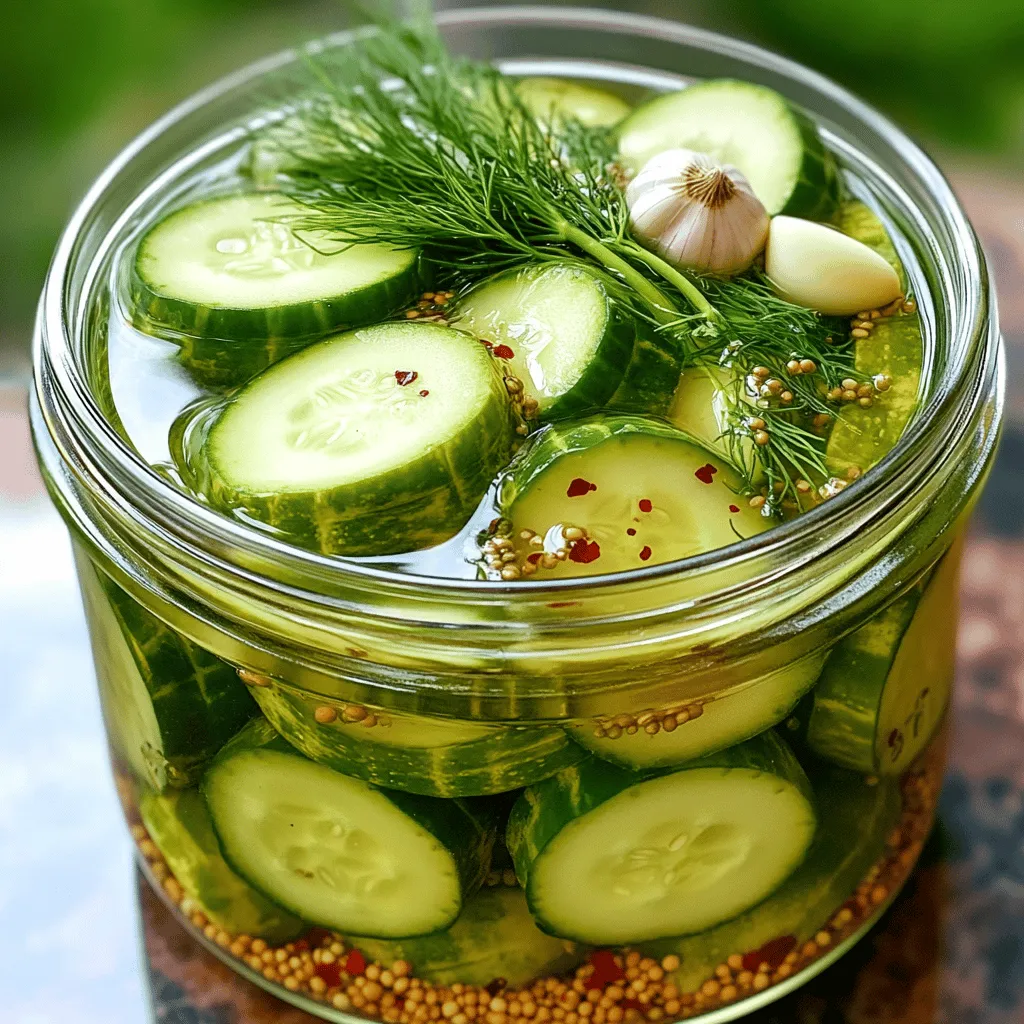
Are you ready to crunch into something delicious? Homemade refrigerator pickles are not just easy to make; they pack a flavorful punch! In this guide, I’ll walk you through selecting the right cucumbers, preparing a zesty brine, and adding your favorite spices. Discover tips and tricks to make your pickles shine, plus fun ways to mix things up. Let’s dive into the world of fresh, crunchy goodness!
Ingredients
List of Ingredients
– Cucumbers: Choose small, firm cucumbers. English cucumbers work well too. Pick fresh ones for the best crunch.
– Vinegar and Its Role in Pickling: Use distilled white vinegar. It gives a clean, sharp taste. The vinegar helps preserve the cucumbers, keeping them crisp and flavorful.
– Essential Spices and Seasonings: You will need:
– 2 tablespoons granulated sugar
– 1 tablespoon kosher salt
– 1 teaspoon mustard seeds
– 1 teaspoon dill seeds
– 4 cloves garlic, peeled and crushed
– 1 teaspoon crushed red pepper flakes (optional for heat)
– Fresh dill sprigs for garnish
These spices add depth and enhance the pickles’ overall taste. The garlic brings a nice punch, while the dill gives it that classic flavor. If you like it spicy, the red pepper flakes will do the trick!
Using the right balance of these ingredients makes a big difference.
Step-by-Step Instructions
Preparation of Cucumbers
To start, wash the cucumbers under cool running water. This cleans off any dirt. I prefer to slice them into rounds for a classic look or spears for a crunchy bite. Choose what you like best. Both shapes taste great and soak up the brine well.
Preparing the Brine
Next, we make the brine. You’ll need:
– 1 ½ cups distilled white vinegar
– 1 cup water
– 2 tablespoons granulated sugar
– 1 tablespoon kosher salt
– 1 teaspoon mustard seeds
– 1 teaspoon dill seeds
– 4 cloves garlic, peeled and crushed
– 1 teaspoon crushed red pepper flakes (optional)
Combine the vinegar, water, sugar, salt, mustard seeds, dill seeds, and red pepper flakes in a medium saucepan. Heat it gently. Stir until the sugar and salt dissolve completely. Once mixed, remove the saucepan from the heat. Let it cool to room temperature.
Assembling the Jars
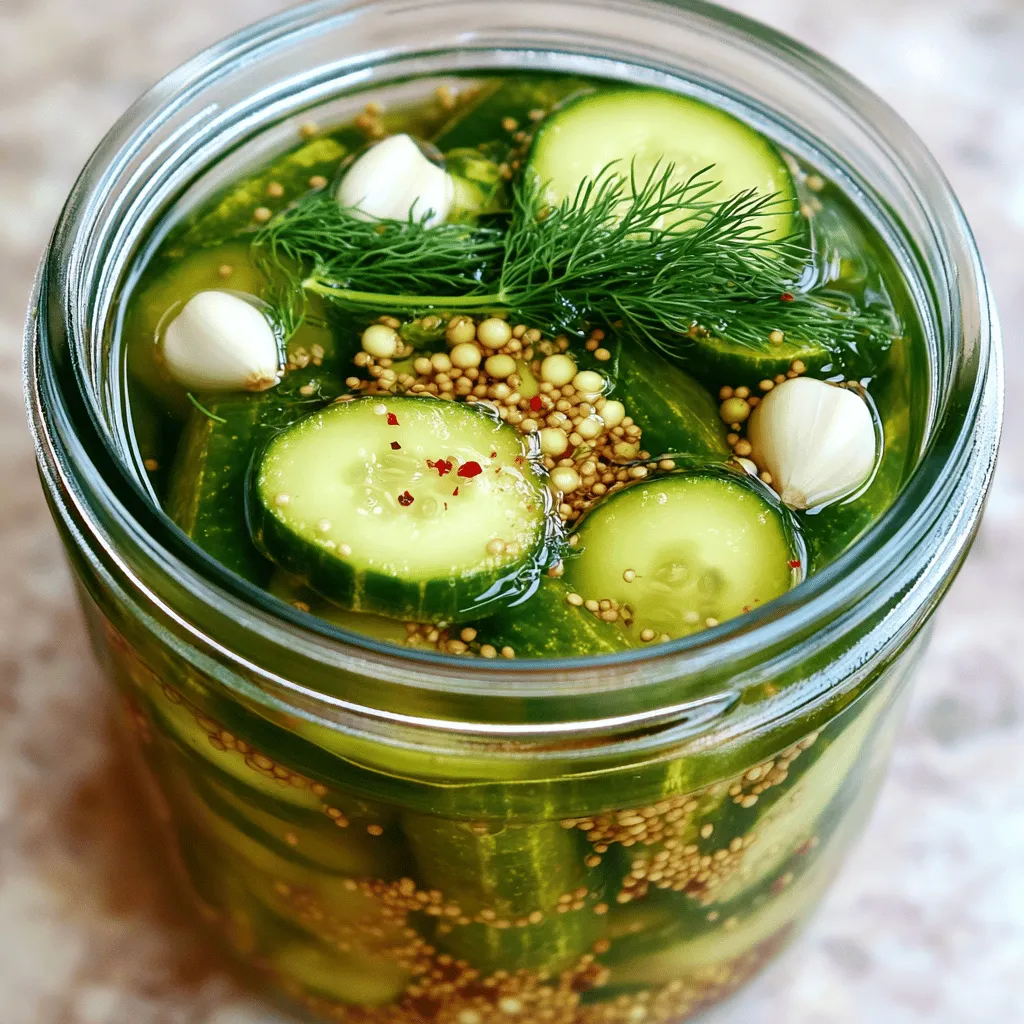
Now, prepare your jars. Use clean, sterilized glass jars with tight lids for best results. Start layering the cucumber slices in each jar. Place the crushed garlic cloves between the cucumbers. If you have fresh dill sprigs, toss them in for added flavor. This step is key to packing in the taste.
Marinating Process
After the brine has cooled, pour it over the cucumbers in the jars. Make sure all the cucumbers are fully submerged in the liquid. Seal the jars tightly to keep the flavors in. Place the jars in the refrigerator. For the best flavor, let them sit for at least 24 hours. I recommend waiting 3 to 5 days for a more intense taste. This marinating time makes all the difference. Enjoy your homemade refrigerator pickles as a snack or alongside meals!
Tips & Tricks
Adjusting Flavor Profiles
Making It Spicier or Milder
You can easily adjust the heat in your pickles. If you want a spicy kick, add crushed red pepper flakes. Start with one teaspoon and taste. If you want it milder, skip the flakes altogether. You can also try adding sliced jalapeños for a fresh heat.
Exploring Flavor Enhancements
Adding different spices can change your pickles’ flavor. Try adding coriander seeds or bay leaves for depth. Experiment with garlic or onion slices for a more savory flavor. Fresh herbs like basil or oregano can also add a nice twist.
Best Practices for Pickling
Common Mistakes to Avoid
One common mistake is not using fresh cucumbers. Old or soft cucumbers won’t give you that nice crunch. Also, avoid skipping the sterilization of jars. Clean jars help keep your pickles safe and tasty.
Ensuring Crispness of Pickles
To keep your pickles crunchy, use small cucumbers. Slice them evenly to help them pickle well. Soak cucumbers in ice water for 30 minutes before packing them in jars. This extra step helps keep them crisp.
Variations
Different Spice Combinations
Adding herbs and spices is a fun way to change the flavor of your pickles. You can try adding:
– 1 teaspoon coriander seeds for a citrusy note
– 1 teaspoon black peppercorns for a warm spice
– A few sprigs of fresh basil for a unique twist
These spices give your pickles a new taste and make them special. You can even mix and match to find your favorite combo.
Creative mix-ins can lead to unique flavors. Consider adding:
– Sliced jalapeños for heat
– Carrots for a sweet crunch
– Red onion slices for a bit of sharpness
Get creative! Each ingredient adds its own character to the pickles.
Alternative Vegetables
Exploring other veggies to pickle can be exciting. While cucumbers are classic, other great options include:
– Carrots: Their sweetness pairs well with the brine.
– Radishes: They add a peppery bite and vibrant color.
– Green beans: They stay crunchy and add a nice snap.
Customizing the recipe lets you build a pickle mix that suits your taste. You can use any vegetable you love. Just remember to adjust the slicing size to match the brine for even flavoring.Each batch can be a new adventure in flavor and crunch.
Storage Info
Best Storage Practices
To keep your homemade refrigerator pickles fresh, store them in the fridge. The ideal temperature is between 32°F and 40°F. This cool environment slows down spoilage and keeps your pickles crunchy.
When stored properly in airtight jars, your pickles can stay fresh for up to two months. However, they usually taste best within the first month. Check for any signs of spoilage, like an off smell or changes in color, before eating.
Reusing the Brine
You can extend the life of your brine by reusing it. After finishing your first batch of pickles, save the brine in the fridge. It can last for about a month.
Add new vegetables to the existing brine for a quick pickle fix. Just make sure the new veggies are clean and cut to a similar size as the originals. Allow them to sit in the brine for at least 24 hours before enjoying. This method keeps your pickles exciting and cuts down on waste!
FAQs
How long do homemade refrigerator pickles last?
Homemade refrigerator pickles can last up to two months. Keep them in the fridge. After that, they may lose their crunch and flavor. Always check for any signs of spoilage before eating. If they smell bad or look off, it’s best to toss them.
Can I use different types of vinegar?
Yes, you can use different types of vinegar. Apple cider vinegar adds a sweet taste. Rice vinegar gives a milder flavor. Each vinegar can change the overall taste. Experimenting with different vinegars helps you find your favorite flavor. Just keep the same ratio for best results.
Do I need to can the pickles for them to last?
No, you do not need to can the pickles. Refrigerating them keeps them fresh. Canning requires more steps and heat. With refrigerator pickles, you can enjoy them quickly. Just make sure to store them in clean jars with tight lids.
What can I serve with refrigerator pickles?
Refrigerator pickles pair well with many dishes. They add crunch to sandwiches and burgers. You can also serve them with cheese boards or charcuterie plates. They make a great snack on their own. For a fun twist, add them to salads for extra flavor.
You now understand the key steps for making delicious refrigerator pickles. We discussed ingredients, from selecting cucumbers to the right vinegar and spices. I shared tips on preparation, brining, and storage. Remember to adjust flavors to suit your taste and try new veggies for fun. Keep your pickles fresh with the right storage methods.
Enjoy creating your own pickles and feel proud of your tasty treats!
![- 4 boneless, skinless chicken breasts - 1 cup coconut milk (preferably full-fat for creaminess) - 2 tablespoons freshly squeezed lime juice - Zest of 1 lime - 2 tablespoons honey - 2 cloves garlic, minced - 1 teaspoon fresh ginger, grated - 1 teaspoon ground cumin - Salt and pepper to taste - 1 tablespoon olive oil The main ingredients in Coconut Lime Chicken create a perfect balance of flavors. The chicken breasts are the star, providing a solid base. Coconut milk adds creaminess and richness. Lime juice brings bright acidity and zest. Honey balances the tanginess. Garlic and ginger enhance depth, while cumin adds warmth. - Fresh cilantro leaves - Lime wedges for serving Garnishes can elevate your dish. Fresh cilantro adds a pop of color and freshness. Lime wedges provide an extra burst of citrus when served. - Grill or skillet - Resealable plastic bag for marinating A grill or skillet works great for cooking the chicken. The resealable bag is perfect for marinating. It helps the chicken soak up all those delicious flavors. For the Full Recipe, check out the detailed instructions that guide you through the steps to make this delicious Coconut Lime Chicken. To start, gather your ingredients. Combine 1 cup of coconut milk, 2 tablespoons of lime juice, lime zest, 2 tablespoons of honey, 2 minced garlic cloves, 1 teaspoon of grated ginger, and 1 teaspoon of ground cumin in a medium bowl. Add a pinch of salt and pepper to boost the flavor. Whisk these ingredients together until they blend well. This creates a creamy and fragrant marinade. - Tip: Use a sturdy whisk to mix. It helps create a smooth consistency without clumps. Next, it's time to marinate the chicken. Place 4 boneless, skinless chicken breasts into a large resealable plastic bag. Pour the marinade over the chicken. Make sure each piece is coated evenly. Seal the bag tightly and press out any air. For the best flavor, marinate in the fridge for at least 30 minutes. You can marinate for up to 4 hours for a richer taste. - Tip: Flip the bag halfway through marinating. This ensures all sides soak up the flavor. Now, let’s cook the chicken. Preheat your grill or a large skillet over medium-high heat. If using a skillet, drizzle in 1 tablespoon of olive oil. Let it heat until it shimmers but does not smoke. Carefully remove the chicken from the marinade. Allow any excess marinade to drip off. Place the chicken on the grill or in the skillet. Cook each piece for about 6-7 minutes on each side. The chicken is done when it is no longer pink inside and reaches an internal temperature of 165°F. - Tip: If using a skillet, turn the chicken often for even cooking. Once cooked, transfer the chicken to a plate. Let it rest for about 5 minutes. Resting helps the juices stay inside. Finally, slice the chicken and serve it with leftover marinade, fresh cilantro, and lime wedges. For the Full Recipe, check the complete details in the earlier section. Enjoy your Coconut Lime Chicken! Marinating your chicken is key for great taste. I recommend marinating for at least 30 minutes. For deeper flavors, let it sit for up to 4 hours. The coconut milk and lime juice work wonders together. You can also add spices like paprika or herbs like thyme. These will give your dish a unique twist. Resting your chicken after cooking is crucial. Let it sit for 5 minutes before slicing. This helps the juices stay inside. The ideal internal temperature for fully cooked chicken is 165°F (75°C). Use a meat thermometer to check. This step ensures your chicken stays juicy and tender. A great plate makes your meal more inviting. Arrange the sliced chicken on a bright platter. Sprinkle fresh cilantro over the top for color. Serve lime wedges on the side for extra zest. You can also add a side of coconut rice or a fresh salad. These choices elevate your dish, making it visually appealing and delicious. For the full recipe, check out the Coconut Lime Chicken recipe. {{image_4}} You can change the protein in this dish. Try shrimp or tofu for a fun twist. Each option offers a unique taste while soaking up the coconut and lime flavors. If you want to switch up the marinade, use pineapple juice instead of lime juice. This swap adds a sweet touch that works well. You can cook Coconut Lime Chicken in different ways. Oven-baking gives a nice, even cook. Set the oven to 375°F and bake for 25-30 minutes. Slow-cooking is great for busy days. Just put the marinated chicken in a slow cooker for 4-6 hours on low. Grilling adds a smoky flavor that many people love. It gives nice grill marks and a bit of char. Pan-searing is quick and keeps the chicken juicy. Use medium-high heat and watch it closely for great results. Coconut Lime Chicken pairs well with many sides. Coconut rice is a perfect fit. The creaminess of the rice matches the chicken's flavors. A fresh garden salad with lime vinaigrette adds brightness. You can also serve it with roasted vegetables for a colorful plate. For drinks, try a light white wine like Sauvignon Blanc. It complements the lime well. Coconut water is also refreshing and ties in with the meal. If you want a fun twist, mix a tropical cocktail with rum and pineapple juice. For the full recipe, check the earlier section. Enjoy your cooking adventure! To keep your Coconut Lime Chicken fresh, follow these simple steps. First, let the chicken cool completely after cooking. Place any leftover chicken in an airtight container. You can store it in the fridge for up to four days. If you want to keep it longer, freeze the chicken. Wrap it tightly in plastic wrap, then place it in a freezer bag. This helps prevent freezer burn. It can last up to three months in the freezer. When you're ready to eat, remember to label your container with the date. This will help you track how long it's been stored. Reheating your Coconut Lime Chicken is easy, but do it carefully. To keep it moist, I suggest using the oven. Preheat it to 350°F (175°C). Place the chicken in a baking dish, cover it with foil, and heat for about 15 to 20 minutes. Make sure it reaches an internal temperature of 165°F (75°C). You can also reheat in the microwave. Use a microwave-safe dish and cover it with a damp paper towel. Heat for one minute, then check if it's warm. If not, heat in 30-second bursts until hot. Avoid overheating, as this can dry out the chicken. If you want to enjoy your leftovers, consider adding them to salads or wraps for a tasty twist. I recommend marinating the chicken for at least 30 minutes. This time gives the chicken a nice flavor boost. If you have more time, you can marinate it for up to 4 hours. Longer marinating allows the flavors to soak in deeper. Just remember, do not marinate for more than 4 hours. The acid in lime juice can make the chicken tough if left too long. Yes, you can use canned coconut milk for this recipe. I suggest using full-fat coconut milk for the best results. Full-fat coconut milk adds creaminess and richness to the dish. It also helps create a smooth marinade that clings well to the chicken. Low-fat coconut milk can work, but it may not have the same depth of flavor. Coconut Lime Chicken pairs well with many side dishes. Here are some great options: - Coconut rice: It complements the flavor beautifully. - Fresh garden salad: A light salad adds crispness. - Grilled vegetables: They add color and nutrition. - Quinoa: A healthy grain that absorbs flavors well. You can also serve it with lime wedges for an extra citrus kick! For a refreshing drink, consider coconut water or a light mojito. For the full recipe, check out the [Full Recipe]. This blog post covered the key ingredients and steps for making Coconut Lime Chicken. We discussed the main ingredients, marinade tips, and cooking techniques. I shared ways to enhance flavor and ensure juicy chicken, plus creative serving ideas. You can explore variations and proper storage tips for leftovers. Remember, using quality ingredients and following these steps leads to tasty meals. Enjoy experimenting with this recipe to create your perfect dish!](https://fastmealmate.com/wp-content/uploads/2025/06/fb549dd5-9e1c-4fac-867b-0fcc137097f2-768x768.webp)