Garden Fresh Summer Salad Flavorful and Easy Recipe
. To make your salad shine, use bright bowls. Serve it in individual portions for a fancy touch. Add a sprinkle of extra feta on top. A few fresh basil leaves also make a great garnish. For a special look, drizzle balsamic reduction over each serving. This adds both flavor and visual appeal. You can boost the flavor in many ways. Try adding nuts like walnuts or almonds for crunch. You might also include fruits, such as sliced strawberries or juicy peaches. Fresh herbs like cilantro or mint can add a new twist. For a bit of spice, sprinkle in some red pepper flakes. Just remember, balance is key! One common mistake is over-dressing the salad. Too much dressing can drown the fresh flavors. Start with a little, and add more if needed. Another mistake is cutting veggies too small. Larger pieces keep the crunch and texture. Finally, don’t forget to taste before serving. Adjust seasoning to suit your taste buds. {{image_4}} You can easily adjust this salad for special diets. For a vegan version, skip the feta cheese. Instead, use tofu or nuts for a protein boost. If you want a gluten-free option, all ingredients are already safe. Just be sure to check any packaged items for hidden gluten. You can swap ingredients based on the season. In summer, use ripe peaches instead of tomatoes. In fall, try roasted squash in place of corn. These swaps keep the salad fresh and exciting all year. Feel free to mix and match what’s in your garden or local market. Want to make your salad more fun? Add sliced radishes for a peppery crunch. Nuts like almonds or walnuts add a great texture. You could also toss in herbs like dill or cilantro for a different flavor. Don't shy away from experimenting. Each add-on can change the taste and feel of your dish. Check out the Full Recipe for more ideas and inspiration! To keep your garden fresh summer salad tasty, store it right. Use an airtight container. This helps avoid moisture loss. You can keep it in the fridge for up to three days. If you plan to enjoy it later, store the dressing separately. This keeps the greens crisp and fresh. Wash your vegetables before storage. After washing, dry them well to avoid sogginess. You can wrap herbs like basil in a damp paper towel. This helps keep them fresh for longer. For tomatoes, store them at room temperature. This keeps their taste and texture just right. This salad is best enjoyed cold. If you want to warm it up, just use a quick microwave blast. Heat for only a few seconds to avoid mushy greens. When serving, toss the salad gently to mix the flavors. You can add more feta or basil for a fresh touch. For the full recipe, check out the detailed steps above. The best summer vegetables for salad include tomatoes, cucumbers, and bell peppers. You can also use zucchini, radishes, and corn. They add color and crunch. Fresh herbs like basil and cilantro enhance the flavor. Choose veggies that are in season for the best taste. Yes, you can make this salad ahead of time. Prepare the salad without the dressing. Store it in the fridge for up to a day. When you are ready to eat, add the dressing. This keeps the salad fresh and crisp. A light vinaigrette works well with summer salad. You can use olive oil and balsamic vinegar. Lemon juice also adds a nice touch. For a creamier option, try a yogurt-based dressing. These dressings bring out the flavors of the fresh vegetables. For the full recipe, check out the Garden Fresh Summer Salad Delight. In this blog post, we explored how to make a fresh summer salad. We started with the best ingredients and optional add-ins. Then, we covered easy steps to prepare the base and mix in tasty veggies. I shared tips for great presentation and flavor boosts. We also discussed how to adapt this salad for diets and seasons. Lastly, we highlighted storage tips to keep everything fresh. Enjoy experimenting with your salad to make it your own. You have all the tools for success!](https://fastmealmate.com/wp-content/uploads/2025/07/1438f769-be73-4858-be33-2952a8dc2b24.webp)
Summer is a time for fresh, vibrant flavors, and there’s nothing better than a garden fresh summer salad! This easy recipe brings together crisp veggies, creamy avocado, and tangy feta to create a dish that’s both delicious and simple to make. Whether you’re hosting a cookout or enjoying a quiet lunch, this salad will be a hit. Let’s dive into the ingredients and steps to craft this refreshing meal!
Ingredients
Fresh Produce Overview
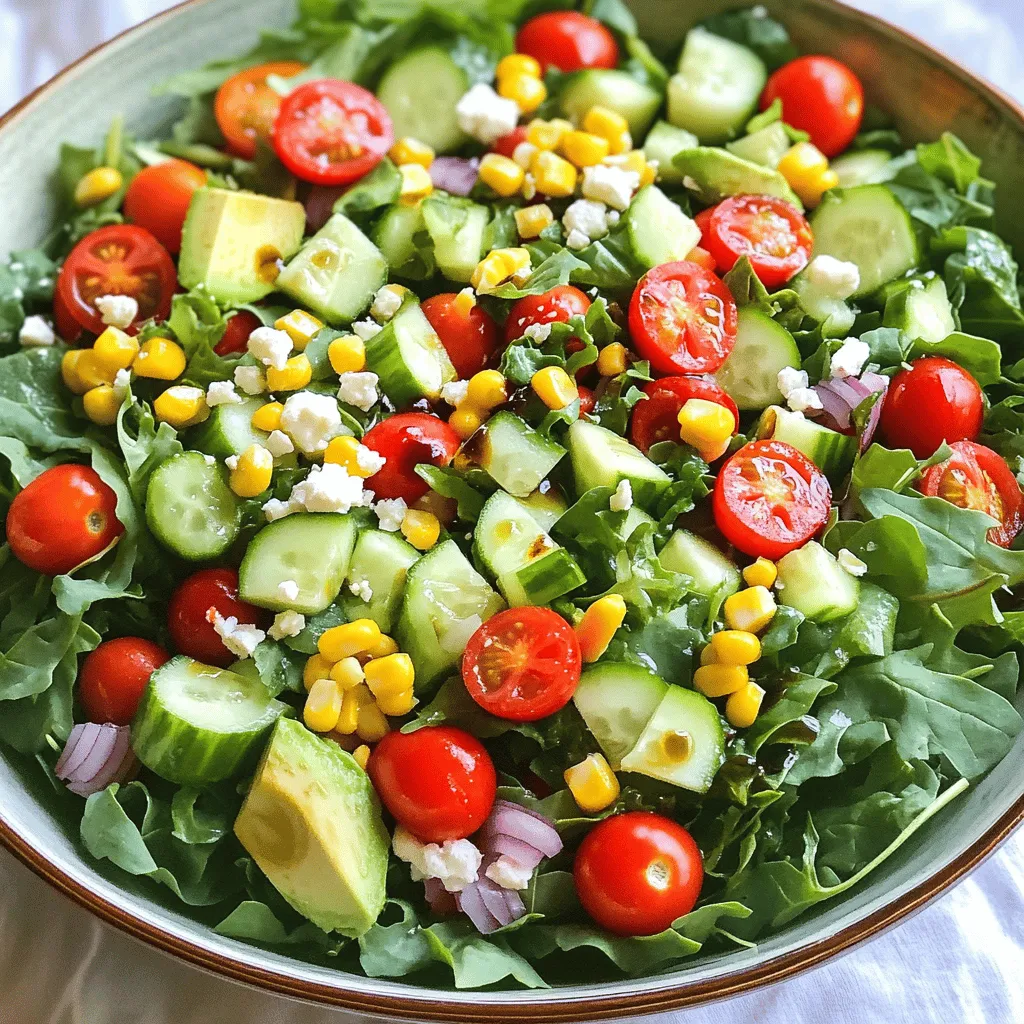
For a truly garden-fresh summer salad, start with vibrant ingredients. Here’s what you’ll need:
– 2 cups mixed baby greens (a blend of arugula, spinach, and kale)
– 1 cup cherry tomatoes, halved
– 1 cucumber, peeled and diced
– 1 bell pepper (either red or yellow), chopped into bite-sized pieces
– 1 cup corn kernels (freshly cooked or canned)
– 1 ripe avocado, diced
– ¼ red onion, finely sliced
– ¼ cup feta cheese, crumbled
– 2 tablespoons fresh basil, finely chopped
Using fresh produce gives your salad a crisp taste. Each item adds color and nutrients. The greens serve as a base. The tomatoes and peppers add sweetness. The corn brings crunch. You’ll love the creamy avocado and salty feta!
Optional Add-ins
You can personalize your salad easily. Here are some tasty add-ins:
– Grilled chicken or shrimp for protein
– Quinoa for extra fiber and texture
– Sliced olives for a briny kick
– Nuts or seeds for crunch
These add-ins make your salad more filling. Choose what you like best! You can mix and match based on your mood or what you have at home.
Dressing Ingredients
A great dressing ties everything together. For this salad, you need:
– 2 tablespoons extra virgin olive oil
– 1 tablespoon balsamic vinegar
– Sea salt and freshly cracked black pepper, to taste
This simple dressing is light and bright. The olive oil adds richness. The balsamic vinegar gives it a tangy kick. Adjust the salt and pepper to make it just right for you.
Step-by-Step Instructions
Preparing the Base
First, wash your mixed baby greens. Make sure to dry them gently. This helps keep the salad crisp. Once dry, place them in a large salad bowl. This creates a great base for your salad.
Adding Vegetables
Next, layer the halved cherry tomatoes on top of the greens. Then, add the diced cucumber and chopped bell pepper. These veggies bring color and crunch to the dish. Don’t forget the sweet corn kernels! They add a nice texture and a touch of sweetness.
Incorporating Avocado and Feta
Now, it’s time to add the creamy avocado. Dice it and gently fold it into the salad. This keeps the avocado intact. Then, add the thinly sliced red onion for a bit of bite. Sprinkle crumbled feta cheese over the top for a salty flavor. The fresh basil adds a lovely aroma.
For the dressing, mix olive oil and balsamic vinegar in a small bowl. Season it with salt and pepper. Whisk until well combined. Drizzle this dressing over your salad. Toss everything gently to coat. Finally, taste it. Adjust salt and pepper for your perfect flavor. Enjoy your fresh salad!
Tips & Tricks
Presentation Ideas
To make your salad shine, use bright bowls. Serve it in individual portions for a fancy touch. Add a sprinkle of extra feta on top. A few fresh basil leaves also make a great garnish. For a special look, drizzle balsamic reduction over each serving. This adds both flavor and visual appeal.
Flavor Enhancements
You can boost the flavor in many ways. Try adding nuts like walnuts or almonds for crunch. You might also include fruits, such as sliced strawberries or juicy peaches. Fresh herbs like cilantro or mint can add a new twist. For a bit of spice, sprinkle in some red pepper flakes. Just remember, balance is key!
Common Mistakes to Avoid
One common mistake is over-dressing the salad. Too much dressing can drown the fresh flavors. Start with a little, and add more if needed. Another mistake is cutting veggies too small. Larger pieces keep the crunch and texture. Finally, don’t forget to taste before serving. Adjust seasoning to suit your taste buds.
Variations
Dietary Adaptations
You can easily adjust this salad for special diets. For a vegan version, skip the feta cheese. Instead, use tofu or nuts for a protein boost. If you want a gluten-free option, all ingredients are already safe. Just be sure to check any packaged items for hidden gluten.
Seasonal Ingredient Swaps
You can swap ingredients based on the season. In summer, use ripe peaches instead of tomatoes. In fall, try roasted squash in place of corn. These swaps keep the salad fresh and exciting all year. Feel free to mix and match what’s in your garden or local market.
Creative Add-Ons
Want to make your salad more fun? Add sliced radishes for a peppery crunch. Nuts like almonds or walnuts add a great texture. You could also toss in herbs like dill or cilantro for a different flavor. Don’t shy away from experimenting. Each add-on can change the taste and feel of your dish.
Storage Info
Best Storage Practices
To keep your garden fresh summer salad tasty, store it right. Use an airtight container. This helps avoid moisture loss. You can keep it in the fridge for up to three days. If you plan to enjoy it later, store the dressing separately. This keeps the greens crisp and fresh.
How to Keep Ingredients Fresh
Wash your vegetables before storage. After washing, dry them well to avoid sogginess. You can wrap herbs like basil in a damp paper towel. This helps keep them fresh for longer. For tomatoes, store them at room temperature. This keeps their taste and texture just right.
Reheating and Serving Tips
This salad is best enjoyed cold. If you want to warm it up, just use a quick microwave blast. Heat for only a few seconds to avoid mushy greens. When serving, toss the salad gently to mix the flavors. You can add more feta or basil for a fresh touch.
FAQs
What are the best summer vegetables for salad?
The best summer vegetables for salad include tomatoes, cucumbers, and bell peppers. You can also use zucchini, radishes, and corn. They add color and crunch. Fresh herbs like basil and cilantro enhance the flavor. Choose veggies that are in season for the best taste.
Can I make this salad ahead of time?
Yes, you can make this salad ahead of time. Prepare the salad without the dressing. Store it in the fridge for up to a day. When you are ready to eat, add the dressing. This keeps the salad fresh and crisp.
What dressing pairs well with a summer salad?
A light vinaigrette works well with summer salad. You can use olive oil and balsamic vinegar. Lemon juice also adds a nice touch. For a creamier option, try a yogurt-based dressing. These dressings bring out the flavors of the fresh vegetables.
In this blog post, we explored how to make a fresh summer salad. We started with the best ingredients and optional add-ins. Then, we covered easy steps to prepare the base and mix in tasty veggies. I shared tips for great presentation and flavor boosts. We also discussed how to adapt this salad for diets and seasons. Lastly, we highlighted storage tips to keep everything fresh.
Enjoy experimenting with your salad to make it your own. You have all the tools for success!
. To make your salad shine, use bright bowls. Serve it in individual portions for a fancy touch. Add a sprinkle of extra feta on top. A few fresh basil leaves also make a great garnish. For a special look, drizzle balsamic reduction over each serving. This adds both flavor and visual appeal. You can boost the flavor in many ways. Try adding nuts like walnuts or almonds for crunch. You might also include fruits, such as sliced strawberries or juicy peaches. Fresh herbs like cilantro or mint can add a new twist. For a bit of spice, sprinkle in some red pepper flakes. Just remember, balance is key! One common mistake is over-dressing the salad. Too much dressing can drown the fresh flavors. Start with a little, and add more if needed. Another mistake is cutting veggies too small. Larger pieces keep the crunch and texture. Finally, don’t forget to taste before serving. Adjust seasoning to suit your taste buds. {{image_4}} You can easily adjust this salad for special diets. For a vegan version, skip the feta cheese. Instead, use tofu or nuts for a protein boost. If you want a gluten-free option, all ingredients are already safe. Just be sure to check any packaged items for hidden gluten. You can swap ingredients based on the season. In summer, use ripe peaches instead of tomatoes. In fall, try roasted squash in place of corn. These swaps keep the salad fresh and exciting all year. Feel free to mix and match what’s in your garden or local market. Want to make your salad more fun? Add sliced radishes for a peppery crunch. Nuts like almonds or walnuts add a great texture. You could also toss in herbs like dill or cilantro for a different flavor. Don't shy away from experimenting. Each add-on can change the taste and feel of your dish. Check out the Full Recipe for more ideas and inspiration! To keep your garden fresh summer salad tasty, store it right. Use an airtight container. This helps avoid moisture loss. You can keep it in the fridge for up to three days. If you plan to enjoy it later, store the dressing separately. This keeps the greens crisp and fresh. Wash your vegetables before storage. After washing, dry them well to avoid sogginess. You can wrap herbs like basil in a damp paper towel. This helps keep them fresh for longer. For tomatoes, store them at room temperature. This keeps their taste and texture just right. This salad is best enjoyed cold. If you want to warm it up, just use a quick microwave blast. Heat for only a few seconds to avoid mushy greens. When serving, toss the salad gently to mix the flavors. You can add more feta or basil for a fresh touch. For the full recipe, check out the detailed steps above. The best summer vegetables for salad include tomatoes, cucumbers, and bell peppers. You can also use zucchini, radishes, and corn. They add color and crunch. Fresh herbs like basil and cilantro enhance the flavor. Choose veggies that are in season for the best taste. Yes, you can make this salad ahead of time. Prepare the salad without the dressing. Store it in the fridge for up to a day. When you are ready to eat, add the dressing. This keeps the salad fresh and crisp. A light vinaigrette works well with summer salad. You can use olive oil and balsamic vinegar. Lemon juice also adds a nice touch. For a creamier option, try a yogurt-based dressing. These dressings bring out the flavors of the fresh vegetables. For the full recipe, check out the Garden Fresh Summer Salad Delight. In this blog post, we explored how to make a fresh summer salad. We started with the best ingredients and optional add-ins. Then, we covered easy steps to prepare the base and mix in tasty veggies. I shared tips for great presentation and flavor boosts. We also discussed how to adapt this salad for diets and seasons. Lastly, we highlighted storage tips to keep everything fresh. Enjoy experimenting with your salad to make it your own. You have all the tools for success!](https://fastmealmate.com/wp-content/uploads/2025/07/1438f769-be73-4858-be33-2952a8dc2b24-300x300.webp)


![- Pasta Types: I recommend using rotini or fusilli pasta. These shapes hold the dressing well. If you prefer, you can swap them for penne or farfalle. Just make sure the pasta cooks until it’s al dente. - Fresh Vegetables: For a great taste and texture, use cherry tomatoes, cucumbers, and bell peppers. These add color and crunch. Red onion gives a nice bite. Fresh corn, either cooked or frozen, adds sweetness. Lastly, diced avocado brings creaminess to the salad. - Dressing Components: The dressing is what makes this salad shine. Use the juice of two fresh limes for tangy flavor. Extra virgin olive oil adds richness. Garlic powder gives depth. Don’t forget salt and freshly ground pepper to taste. These ingredients create that fresh cilantro lime flavor that everyone loves. You can find the complete preparation method in the [Full Recipe]. To start, bring a large pot of salted water to a boil. This step is key for flavor. Add 8 oz of rotini or fusilli pasta. Cook it until it's al dente, which means it should have a slight bite. This usually takes about 8 to 10 minutes. Once cooked, drain the pasta. Rinsing it under cold water stops the cooking. It also helps cool it down quickly. You’ll need a large pot for boiling and a colander for draining. While the pasta cools, get your veggies ready. Chop the cherry tomatoes, cucumber, bell pepper, and red onion. Aim for even pieces to ensure a nice bite. Use a sharp knife for clean cuts. For the avocado, slice it carefully. Cut it in half, remove the pit, and scoop out the flesh with a spoon. Then dice it into small pieces. Handle it gently to avoid mashing. Next, it’s time for the dressing. In a small bowl, combine the juice of 2 limes, 3 tablespoons of olive oil, and 1 teaspoon of garlic powder. Whisk these ingredients together until they blend well. Always taste it! Adjust the seasoning with salt and pepper to suit your preference. Now, let’s mix everything together. In a large bowl, combine the cooled pasta, chopped veggies, and diced avocado. Drizzle the dressing over the top. Toss gently to coat everything. Be careful not to mash the avocado. Finally, fold in ½ cup of chopped cilantro. This adds a fresh flavor. Mix gently, ensuring the avocado stays intact. For the best taste, cover the salad and chill it in the fridge for at least 30 minutes. This allows all the flavors to blend beautifully. For the full recipe, check the instructions at the beginning. Enjoy your bright and zesty Cilantro Lime Pasta Salad! To boost the citrus flavor in your cilantro lime pasta salad, try adding lime zest. This adds a bright, fresh taste. You can also mix in a little orange juice for a sweet twist. For herbs and spices, consider adding fresh parsley or mint. Both pair well with cilantro. A pinch of cumin or chili powder can also give your salad a nice kick. You want your salad to look as good as it tastes. Serve it in a clear bowl to show off the colorful veggies. You can layer the ingredients for a fun effect. For garnishes, fresh cilantro leaves work wonders. Add lime wedges on the side for a pop of color and extra zing. Slices of radish or a sprinkle of feta cheese can also elevate the dish. Chill your salad for at least 30 minutes before serving. This lets the flavors mix well. If you have time, chilling it longer is even better. To enjoy leftovers, keep them in a sealed container. Add a splash of lime juice before eating. This helps keep everything fresh and tasty. {{image_4}} You can change this salad to match your taste. Here are some great protein options: - Chicken - Shrimp - Beans Adding these gives you more protein and flavor. If you want a vegetarian dish, beans are a good choice. They add nutrients and make the salad filling. Need to change the recipe for special diets? No problem! You can use gluten-free pasta instead of regular pasta. There are many kinds available, like rice or chickpea pasta. For a vegan version, simply swap out the dressing. Use a mix of lime juice and avocado oil, or find a vegan dressing at the store. The best ingredients change with the seasons. In summer, use fresh corn and ripe tomatoes. They add sweetness and crunch. In winter, try roasted vegetables like squash or broccoli. They give warmth and heartiness to the dish. Always look for local produce. It tastes better and supports your community! Check your farmer's market for fresh options. For the full recipe, check out the entire section above! To keep your cilantro lime pasta salad fresh, store it in the fridge. Place it in an airtight container; this helps lock in flavors. Use a glass or plastic container with a tight lid. Avoid large bowls, as they can let air in and make the salad dry out. You can freeze pasta salad, but it may change the texture. If you choose to freeze it, use a freezer-safe container. When you want to eat it, move it to the fridge overnight. Let it thaw slowly for best results. Serve it cold once it’s thawed. Leftovers will last up to three days in the fridge. Check for signs of spoilage before eating. If you see any mold or if it smells off, throw it away. Always trust your senses. Keeping track of freshness helps you enjoy your salad at its best! For the full recipe, check the section above. To keep avocado fresh, use lime juice. The acid slows the browning. You can also cover the avocado tightly with plastic wrap. This limits air exposure. If you mix the avocado in last, it stays bright green longer. Yes, you can prepare this pasta salad a few hours in advance. Just store it in the fridge. For the best taste, mix in the avocado right before serving. This helps keep it fresh. If you dislike cilantro, try parsley or basil instead. Both herbs add a fresh taste. You can also use mint for a unique twist. Mix in different herbs to find your favorite flavor. To make this pasta salad gluten-free, use gluten-free pasta. Many brands offer great options like rice or quinoa pasta. Check the box for cooking times. The rest of the ingredients are naturally gluten-free. Serve the pasta salad in a large, colorful bowl. Add lime wedges and extra cilantro on top for decoration. This makes it more inviting. For a buffet, set it out with serving spoons. This allows guests to help themselves easily. This blog post covered key ingredients, cooking steps, and helpful tips for making a delicious pasta salad. Remember to choose the right pasta and fresh vegetables for a tasty mix. The dressing adds incredible flavor, so don't skip it. Storing leftovers properly keeps your salad fresh for later. Try different variations to suit your taste. My final thought? Pasta salad is versatile and fun. Enjoy making it your own, and share it with others!](https://fastmealmate.com/wp-content/uploads/2025/07/1fb0967e-6542-4160-ae3e-9e2a11b1d0c7-768x768.webp)