
French Quarter Cheese Spread Irresistible Flavor Boost
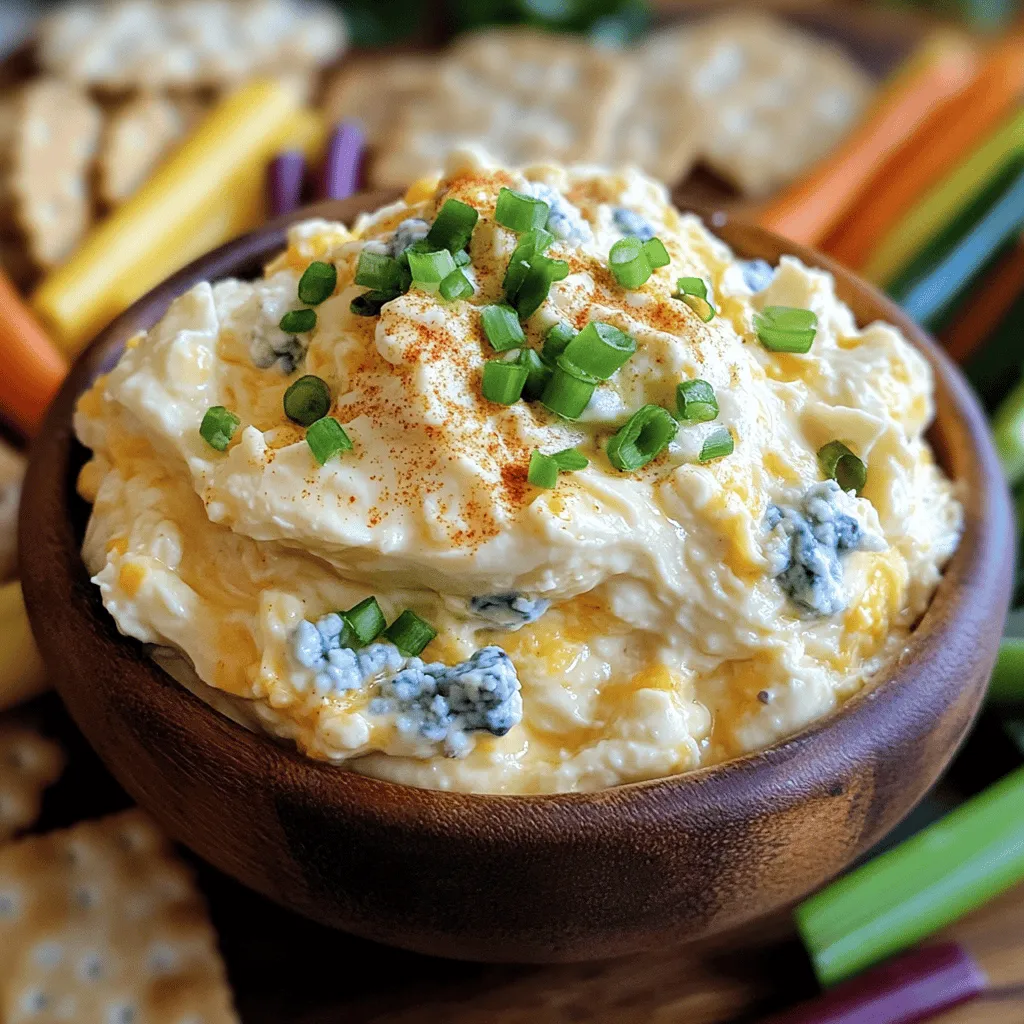
Looking to elevate your appetizers? The French Quarter Cheese Spread is your answer! This creamy, zesty blend bursts with bold flavors that will wow your taste buds. Perfect for gatherings or a cozy night in, it’s simple to make and incredibly versatile. In this post, I’ll reveal the key ingredients, preparation steps, and pro tips to help you master this irresistible dip. Let’s dive in and bring a taste of New Orleans to your home!
Ingredients
List of Ingredients
– 8 oz cream cheese, softened
– 1 cup sharp cheddar cheese, grated
– 1/2 cup blue cheese, crumbled
– 1/4 cup mayonnaise
– 1/4 cup sour cream
– 1 tablespoon Dijon mustard
– 1 teaspoon garlic powder
– 1 teaspoon onion powder
– 1/2 teaspoon cayenne pepper
– 2 green onions, finely chopped
– Salt and freshly ground black pepper
When making French Quarter Cheese Spread, the right ingredients matter. Each cheese brings a unique taste. The cream cheese gives a smooth base. Sharp cheddar adds a rich flavor, while blue cheese gives a bold kick. Mayonnaise and sour cream make it creamy and tangy. Dijon mustard brings in a nice bite. Garlic and onion powders add depth. Cayenne pepper gives it a touch of heat, which you can adjust. Fresh green onions brighten the spread with color and flavor. Finally, salt and pepper balance everything out.
Nutritional Information
– Calories per serving: 150
– Macronutrient breakdown:
– Protein: 6g
– Fat: 12g
– Carbohydrates: 2g
This cheese spread packs flavor and nutrition. Each serving has about 150 calories. You get a nice dose of protein from the cheeses. The fats come mainly from the cream cheese and oils in the mayonnaise. This spread is low in carbs, making it a great option for many diets.
Flavor Profile
The taste of French Quarter Cheese Spread is a blend of creamy, tangy, and spicy. The creaminess hits first, followed by the sharpness of cheddar and the boldness of blue cheese. The mustard adds a kick, while garlic and onion flavors deepen the taste. Cayenne pepper gives a little warmth that lingers.
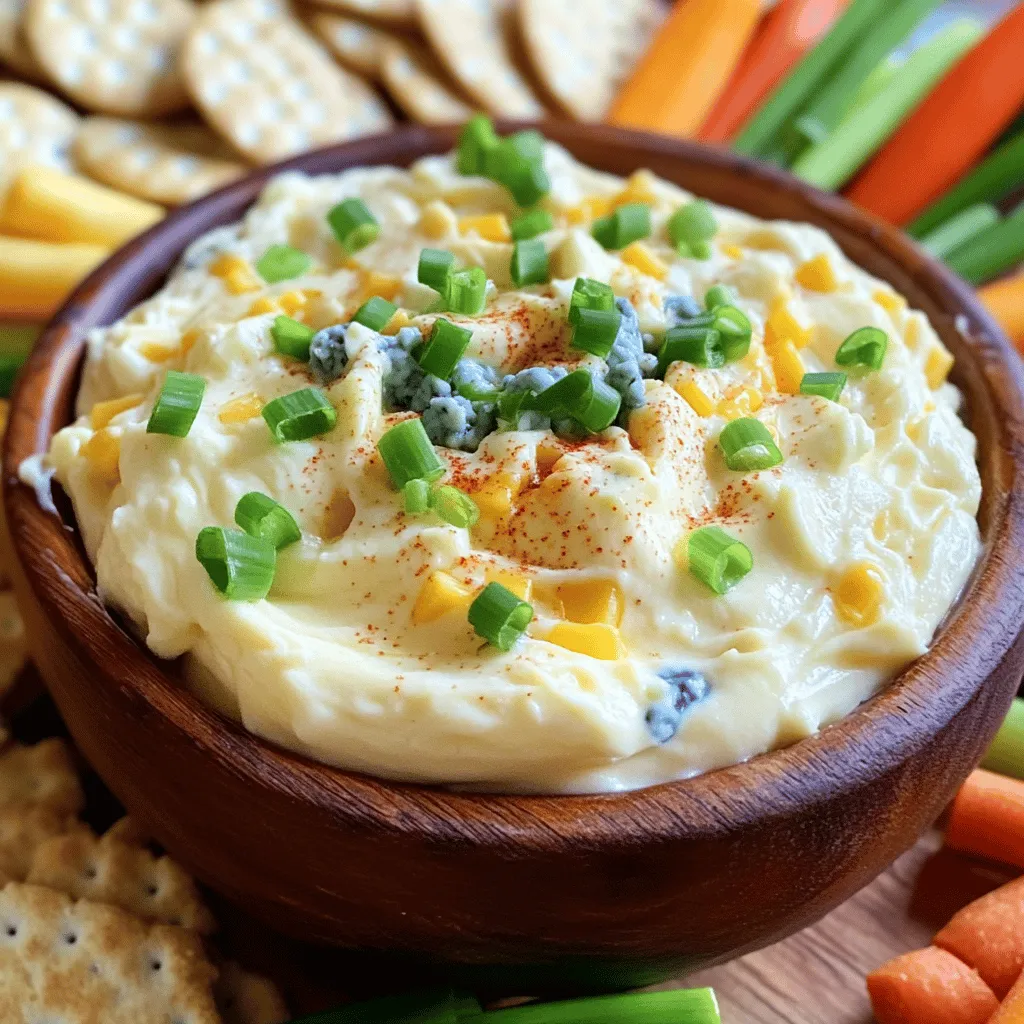
Pair this spread with crunchy crackers or fresh veggies. It also tastes great on toasted bread. You can even use it as a dip for chips. The flavors work well with sweet fruits like apples or grapes. The spread is versatile enough for any gathering.
Step-by-Step Instructions
Preparation Techniques
To start, I make sure my cream cheese is softened. This step is key. It helps the cheese blend smoothly with the other ingredients. I take it out of the fridge at least 30 minutes before mixing.
Next, I grate the sharp cheddar cheese and crumble the blue cheese. I like to use a box grater for the cheddar. It gives me nice, even shreds. For the blue cheese, I use a fork to break it apart. This way, I have small, tasty bits mixed in.
Mixing Instructions
In a large bowl, I combine the softened cream cheese, grated cheddar, and crumbled blue cheese. Then, I add the mayonnaise, sour cream, Dijon mustard, garlic powder, onion powder, and cayenne pepper. I stir well to mix everything. This step is important for great texture.
Using a handheld mixer or a spatula, I blend until smooth. I check for lumps, and if I find any, I keep mixing. Once everything looks creamy, I gently fold in the chopped green onions. Finally, I season with salt and pepper to taste.
Refrigeration Process
Now comes a crucial step: refrigeration. I cover the bowl with plastic wrap and pop it into the fridge. Letting it chill for at least 2 hours is a must. This time allows the flavors to blend and become richer.
For the best results, I suggest covering the cheese spread tightly. This prevents it from absorbing other smells in the fridge. When I’m ready to serve, I give it a good stir to recombine any separated parts.
Tips & Tricks
How to Perfect the Recipe
To make this cheese spread shine, adjust the spice levels. Start with half a teaspoon of cayenne pepper. Taste it, then add more if you like heat. For a smooth texture, ensure your cream cheese is at room temperature. This step helps it mix easily with other cheeses.
Presentation Tips
Serve your cheese spread with a colorful array of crackers and fresh veggie sticks. Carrots, celery, and bell peppers add crunch and color. For a fancy touch, garnish with chopped green onions or a sprinkle of paprika. This makes your dish look as good as it tastes.
Common Mistakes to Avoid
One big mistake is overmixing the ingredients. This can make the spread too soft. Mix just until combined for the best texture. Another mistake is skipping the refrigeration step. Letting it chill for at least two hours helps the flavors blend well. Trust me; this step is key to a great taste.
Variations
Ingredient Substitutions
You can change up the recipe for French Quarter Cheese Spread based on your needs. If you want a lower-fat option, use low-fat cream cheese. This keeps the taste but cuts some calories. For a vegan version, try using cashew cream or a store-bought vegan cheese. Both options give you a creamy base without dairy.
Flavor Enhancements
To make your cheese spread even better, add some fresh herbs. Chives and dill work great. They add a burst of flavor and freshness. You can also spice things up. A pinch of smoked paprika or some cumin can give it a nice kick. Experiment and see what you like best!
Creative Serving Ideas
Don’t just spread it on crackers! Use this cheese spread in stuffed sandwiches. It makes a great filling for a grilled cheese. You can also use it as a topping for baked potatoes. Just add a sprinkle of cheese or some crispy bacon for a tasty twist. The options are endless!
Storage Info
How to Store Leftovers
To keep your French Quarter Cheese Spread fresh, store it in the fridge. Place it in an airtight container. This will help keep the flavors intact and prevent it from drying out. If you want to freeze it, use a freezer-safe container. Make sure to leave some space at the top, as it may expand. You can freeze it for up to three months.
Shelf Life
In the fridge, your cheese spread can last about five days. Check for any signs of spoilage before using it. If you see mold or notice an off smell, it’s best to toss it. Always trust your senses; if it doesn’t smell right, don’t eat it.
Reheating Tips
You may want to warm up the spread before serving. To do this, take it out of the fridge and let it sit for about 30 minutes. This helps bring back its creamy texture. You can also gently heat it in the microwave for about 15-20 seconds. Stir it well after warming to keep the flavors balanced. Avoid overheating, as this can change the taste and texture.
FAQs
What is French Quarter Cheese Spread?
French Quarter Cheese Spread is a creamy delight from New Orleans. It blends rich cheeses with spices. This spread is known for its bold, tangy flavor. The mix of cream cheese, cheddar, and blue cheese gives it depth. The addition of green onions adds a fresh taste. Its origin comes from the lively food scene of the French Quarter. This spread captures the essence of Cajun and Creole cooking.
Can I make this cheese spread ahead of time?
Yes, you can make this cheese spread ahead of time. It’s best to prepare it at least 2 hours before serving. This time allows the flavors to blend well. For a great taste, I suggest making it the night before. Store it in the fridge until you need it.
What can I serve with French Quarter Cheese Spread?
You can serve this cheese spread with many tasty items. Here are some ideas:
– Crackers
– Fresh baguette slices
– Veggie sticks like carrots and celery
– Pita chips
– Sliced apples or pears
These pairings will enhance the spread’s rich flavors.
Is this recipe customizable?
Absolutely! You can change this recipe to fit your taste. Here are some suggestions:
– Swap blue cheese for goat cheese for a milder taste.
– Add herbs like chives or dill for a fresh kick.
– Adjust the cayenne pepper to make it milder or spicier.
– Mix in roasted garlic for a deeper flavor.
Feel free to experiment and find your favorite combo!
This blog post covers all you need to know about French Quarter Cheese Spread. We explored key ingredients, mixing techniques, and storage tips. Remember, resting is vital for the best flavor. Avoid common pitfalls like overmixing. You can easily make variations by changing cheeses or spices. This spread can bring joy to many meals. With its rich taste and simple prep, it’s a must-try. Enjoy creating your own version and share it with friends!

![Fresh peaches are the star of this pie. Choose ripe, sweet peaches for the best flavor. Use about 1 ½ cups of peaches, peeled and sliced. The slices should be thick enough to hold their shape. This will give your pie a lovely texture and taste. You have a few choices for the pie crust. A store-bought 9-inch pie crust is quick and easy. If you want to make it from scratch, use flour, butter, and a pinch of salt. Either way, the crust should be crisp and flaky. This creates a nice contrast with the smooth custard. Here’s a quick look at the other ingredients you’ll need: - ¾ cup granulated sugar - 3 tablespoons cornstarch - 2 large eggs - 1 cup heavy cream - 1 teaspoon pure vanilla extract - ½ teaspoon ground cinnamon - Pinch of salt These ingredients work together to form the rich custard. The sugar adds sweetness, while cornstarch helps it set. Eggs provide structure, and heavy cream gives a creamy texture. Vanilla and cinnamon add depth to the flavor. For the full recipe, check out the details above. To start, preheat your oven to 375°F (190°C). Take your store-bought pie crust and fit it snugly into a 9-inch pie plate. Use a fork to prick the bottom. This helps prevent bubbling. Place the crust in the oven for about 10 minutes. You want it set but not browned. Once done, take it out and let it cool on a wire rack. Next, grab a large mixing bowl. In it, combine the granulated sugar, cornstarch, ground cinnamon, and a pinch of salt. Mix these dry ingredients well to avoid any lumps. In a separate bowl, crack two large eggs and whisk them until well beaten. Add the heavy cream and vanilla extract, whisking until everything blends into a smooth mixture. Gradually pour this egg mixture into the dry ingredients. Stir continuously to create a smooth custard. Now, let's assemble the pie. Start by evenly distributing your sliced fresh peaches over the base of the pre-baked pie crust. Carefully pour the custard mixture over the peaches. Make sure they are all covered. Place the pie in the oven and bake for 30-35 minutes. The custard should be firm and slightly golden. To check if it's set, gently shake the pie. The center should jiggle just a bit. Once baked, let the pie cool on a wire rack for about an hour. This helps the custard firm up nicely. For the best results, refrigerate the pie for at least 2 hours before slicing. This step makes the custard even better. You can find the full recipe here: [Full Recipe]. To get a creamy custard, mix the sugar and cornstarch well. This step avoids lumps. When you add the eggs and cream, whisk until smooth. This ensures a rich texture. Bake until the center slightly jiggles. This tells you the custard is set but still soft. It will firm up as it cools. A soggy crust ruins your pie. To prevent this, bake the crust first. Prick the bottom with a fork to let steam escape. Bake it for about ten minutes until it’s just set. Once out of the oven, let it cool before adding the custard. This keeps the crust crisp and flaky. For a lovely presentation, slice the pie neatly. Serve each piece with whipped cream on top. A sprinkle of ground cinnamon adds warmth and charm. Add a slice of fresh peach on the side. This highlights the fresh flavors in the pie. Enjoy your beautiful creation! For more detailed steps, check the Full Recipe. {{image_4}} You can swap fresh peaches for other fruits. Try ripe nectarines for a similar taste. Plums add a tart kick and are juicy, too. Blueberries give a pop of color and sweetness. Apples offer a crunchy bite, especially if you bake them a bit first. Each fruit brings its own charm to the pie. If you need a gluten-free crust, several options exist. Almond flour is a great choice for a nutty flavor. You can also use a gluten-free pie crust mix from the store. Just follow the package instructions for best results. Make sure to check that all ingredients are gluten-free. This way, everyone can enjoy this tasty treat. To make your pie stand out, try some flavor boosts. A dash of lemon juice brightens the peach flavor. You can mix in some nutmeg for warmth, too. Adding a splash of bourbon or rum gives a nice depth. Experimenting with spices lets you create a unique pie that reflects your taste. Get creative and have fun with it! For the complete recipe, check out the [Full Recipe]. To store leftover pie, let it cool completely. Cover it with plastic wrap or foil. You can also use an airtight container. Keep it in the fridge for up to three days. The pie stays fresh this way. Avoid stacking anything on top to prevent crushing. If you want to freeze the pie, make sure it’s fully cooled. Wrap it tightly in plastic wrap, then in aluminum foil. This helps prevent freezer burn. You can freeze it for up to three months. To enjoy later, just thaw it in the fridge overnight before serving. To reheat the pie, preheat your oven to 350°F (175°C). Place the pie in an oven-safe dish. Cover it with foil to keep it from browning too much. Heat for about 15-20 minutes, or until warm. If you like, you can microwave individual slices for a quick snack. Just heat for 30 seconds, checking often. Enjoy your pie as if it were fresh! Yes, you can use canned peaches. However, fresh peaches taste better. Canned peaches are softer and sweeter. If you choose them, drain the syrup well. Pat them dry with a paper towel. This helps reduce excess moisture. Use the same amount as fresh peaches. But keep in mind that the texture will change. You can use half-and-half or whole milk as a lighter option. For a dairy-free choice, use coconut cream or almond milk. These will alter the flavor slightly. If you want to keep the richness, try a mix of milk and butter. Use 1 cup of milk and 2 tablespoons of melted butter. This gives a similar creamy texture. The custard is set when it has a smooth, firm texture. Give the pie a gentle shake. If the center jiggles slightly, it is ready. You can also insert a knife into the center. If it comes out clean, the custard is done. Let it cool for a bit to firm up further. For the best texture, refrigerate it for at least two hours. Enjoy this pie chilled for the best flavor! You learned how to make a delicious peach pie from scratch. We covered fresh peaches, pie crust options, and key ingredients. I detailed steps for prepping the crust, making the custard, and baking. Plus, I shared tips for a perfect texture and stunning presentation. You can even explore variations with different fruits and gluten-free options. Finally, we talked about storage and reheating to keep the pie tasty. Now, you have all you need to create this delightful treat! Enjoy every bite of your homemade peach pie.](https://fastmealmate.com/wp-content/uploads/2025/06/869ea291-58a7-44e1-8c29-8ce1fa52617f-768x768.webp)

![- 4 medium-sized russet potatoes - 1 small onion - 2 large eggs - 1/4 cup all-purpose flour - 1 teaspoon baking powder - 1 teaspoon garlic powder - Salt and pepper to taste - 1/4 cup fresh parsley - Vegetable oil for frying Gather these simple ingredients. They are key to making crispy potato pancakes. The russet potatoes give a nice texture. The onion adds flavor. Eggs help bind everything together. Next, we need some dry ingredients. The flour gives structure. Baking powder helps them rise a bit. Garlic powder adds a tasty kick. For seasoning, use salt and pepper to taste. Fresh parsley brings a pop of color and freshness. Finally, vegetable oil is essential for frying. It helps achieve that golden crispiness. To see the full recipe, you can refer to the [Full Recipe]. Start by peeling four medium-sized russet potatoes. Grate them finely using a box grater. Next, do the same with one small onion. After grating, you need to remove moisture. Place the grated potatoes and onions in a clean kitchen towel. Wring out the mixture gently until it is dry. This step is key for crispy pancakes. In a large bowl, combine the grated potatoes and onions. Now, add two large beaten eggs. Stir until the eggs mix well with the potatoes and onions. In a separate bowl, whisk together the dry ingredients. You need 1/4 cup of all-purpose flour, 1 teaspoon of baking powder, and 1 teaspoon of garlic powder. Add salt and pepper to taste. Once well mixed, gradually fold this dry mixture into the potato mixture. Be gentle when folding to keep the texture light. Finally, stir in 1/4 cup of freshly chopped parsley for a burst of flavor. Heat a generous amount of vegetable oil in a skillet over medium-high heat. You want the oil to shimmer. Using a tablespoon or ice cream scoop, take the potato mixture and drop it into the hot oil. Flatten each scoop slightly with a spatula. Fry the pancakes for about 3-4 minutes on each side. Look for a golden brown color to know they are ready. Avoid overcrowding the skillet; cook them in batches if needed. Once done, transfer the pancakes to a plate lined with paper towels to absorb excess oil. Enjoy the crispy potato pancakes hot! For the full recipe, check out the [Full Recipe]. To make crispy potato pancakes, moisture control is key. After grating the potatoes and onion, place the mixture in a clean kitchen towel. Wring it out to remove extra moisture. This step is vital for crispiness. Next, heat your oil properly. Aim for medium-high heat. If the oil is too cool, the pancakes will absorb it and become soggy. If it's too hot, they may burn. You want that perfect shimmer before frying. When you cook your pancakes, avoid overcrowding the skillet. If you add too many at once, the temperature drops. This can lead to soggy pancakes. Cook them in small batches for the best results. To keep the pancakes warm, place them on a plate in an oven set to low heat. This way, they stay crispy while you finish cooking the rest. For garnishes, I love serving crispy potato pancakes with sour cream or applesauce. These toppings add a nice contrast to the crispy texture. You can also sprinkle fresh parsley on top for a pop of color. As for side dishes, consider serving them with a simple salad or sautéed greens. These pair well and balance the meal. For the full recipe, check out the detailed instructions. {{image_4}} You can boost your crispy potato pancakes with cheese. Cheddar adds a sharp bite, while feta gives a tangy twist. Just mix in some crumbled cheese before frying. Herbs and spices also enhance flavor. Chives add a mild onion taste, while dill brings a fresh note. Feel free to experiment with your favorite herbs. You can use different types of potatoes for unique flavors. Yukon Gold potatoes offer a buttery taste, while sweet potatoes add sweetness. If you want gluten-free options, try almond flour or chickpea flour. These swaps keep the pancakes crispy while adding new flavors. Serving styles can change the whole vibe of your dish. Make mini pancakes for appetizers at parties. They are easy to grab and enjoy. For brunch, stack them high and serve with toppings like sour cream or applesauce. This adds a fun twist to your meal. For the full recipe, check out the Crispy Potato Pancakes section above. To keep your crispy potato pancakes fresh, store them in an airtight container. Place parchment paper between each layer to avoid sticking. They stay good in the fridge for about 3 to 5 days. Always let them cool down before storing. This helps keep them crispy for later. If you want to save some for later, freezing is a great option. Let the cooked pancakes cool first. Then, place them in a single layer on a baking sheet. Freeze until solid, then transfer them to a freezer bag. They last about 2 to 3 months in the freezer. To reheat frozen pancakes, you can use an oven or a skillet. For the oven, preheat to 400°F and bake for about 10 to 15 minutes. If using a skillet, heat a bit of oil over medium heat and cook each pancake until warm and crispy. Enjoy them again with your favorite toppings! To keep your potato pancakes crispy, the key is moisture control. Always wring out the grated potatoes and onions to remove excess water. Use a hot pan with enough oil. Fry in small batches so the pancakes don't steam. After frying, place them on a wire rack instead of paper towels. This lets air circulate and keeps them from getting soggy. Yes, you can make potato pancakes ahead of time. Cook them, then store them in an airtight container. They will last up to two days in the fridge. To reheat, place them in a hot skillet for a few minutes on each side. This brings back their crispiness. You can also bake them in the oven at 375°F for about 10 minutes. Crispy potato pancakes pair well with many sides. Sour cream and applesauce are classic choices. You can also try Greek yogurt or a spicy sauce for a twist. Fresh herbs like chives or parsley add color and flavor. For a heartier meal, serve with a side salad or smoked salmon. You can customize potato pancakes in many ways. Add cheese like cheddar or feta for a rich taste. Fresh herbs like dill or chives add a nice touch. You can even mix in grated vegetables, like carrots or zucchini, for extra nutrition. Feel free to play with spices too, like paprika or cumin. Yes, you can bake potato pancakes. Preheat your oven to 425°F. Place the pancakes on a baking sheet lined with parchment paper. Brush them lightly with oil. Bake for about 20 minutes, flipping halfway through. They will be less greasy but still tasty. You may not get the same crispiness as frying, but they will still be good. Check the [Full Recipe] for more tips. Making crispy potato pancakes is simple and fun. We covered the key ingredients, like russet potatoes and eggs, and the steps for perfecting the mixture. I shared tips for achieving that golden, crispy texture and serving suggestions to elevate your dish. Remember, you can always customize your pancakes with different flavors or serving styles. Enjoy your cooking adventure and make these delicious pancakes your own. They’re sure to impress at any meal!](https://fastmealmate.com/wp-content/uploads/2025/06/8dba9489-4fe0-451f-83c3-8d1f72bb8948-768x768.webp)
![- Cheese tortellini - Flank steak - Provolone cheese The main stars of Cheesesteak Tortellini Bliss are cheese tortellini, flank steak, and provolone cheese. The cheese tortellini adds a rich, creamy texture. Flank steak gives a hearty, meaty flavor. Provolone cheese melts beautifully, making everything delightfully gooey. - Green bell pepper - Onion - Garlic Next, we have the veggies. The green bell pepper adds a nice crunch and sweetness. Onions bring out a savory note when sautéed. Garlic adds a burst of flavor that elevates the dish. Together, they create a great base for our cheesesteak twist. - Beef broth - Worcestershire sauce - Olive oil Now, let’s talk about the liquids. Beef broth adds depth and richness to the sauce. Worcestershire sauce brings umami and a hint of tang. Olive oil helps to sear the steak and sauté the veggies, making everything come together nicely. For the full recipe, check the [Full Recipe]. To start, fill a large pot with water. Add a generous pinch of salt. Bring the water to a rolling boil. Once it boils, gently add the cheese tortellini. Cook according to the package instructions, usually about 3-5 minutes. You want the tortellini to be al dente, not too soft. After cooking, drain the tortellini in a colander. Keep it warm by covering it with a kitchen towel while you prepare the rest. Next, heat a large skillet over medium-high heat. Add one tablespoon of olive oil to the hot skillet. Season the thinly sliced flank steak with salt and pepper. Make sure to coat all sides. Carefully place the steak slices in the skillet. Avoid overcrowding the pan, as this will steam the meat. Sear for about 3-4 minutes on each side. You want a golden-brown crust to form. Once cooked, remove the steak from the skillet and place it on a plate. Cover it loosely with foil to keep it warm. In the same skillet, add the sliced green bell pepper and onion. Don’t clean the skillet; this adds flavor. Sauté the vegetables over medium heat for about 5 minutes. You want them to soften and start to caramelize. Stir occasionally to prevent burning. Once they are soft, add the minced garlic. Cook for another minute, just until fragrant. Be careful not to let the garlic burn, as it can turn bitter. Now, you are ready to move on to combining all the tasty elements! For the complete recipe, check out the Full Recipe. To get the best flavor from your steak, sear it well. Here are my tips: - Heat your skillet: Use a large skillet and heat it to medium-high. This helps create a great crust on the steak. - Don’t overcrowd: Place only a few slices in the pan at once. This keeps the heat high and allows each piece to sear nicely. - Check doneness: For a medium-rare steak, aim for a temperature of 130-135°F. Use a meat thermometer for accuracy. Understanding how you like your steak cooked is key. Here’s a quick guide: - Rare: 120-125°F - Medium-rare: 130-135°F - Medium: 140-145°F - Medium-well: 150-155°F - Well-done: 160°F and above Want to take your cheesesteak tortellini to the next level? Try these flavor tips: - Add spices: A pinch of smoked paprika or crushed red pepper can give it a nice kick. - Experiment with herbs: Fresh thyme or oregano adds a lovely aroma. - Pair with sides: Serve with a fresh salad or garlic bread for a complete meal. The crunch balances the creamy tortellini. Cooking can have its hiccups. Here’s how to avoid common problems: - Overcooked tortellini: Keep an eye on the cooking time. Drain them as soon as they are al dente. This usually takes about 3-5 minutes. - Clumpy cheese: If your cheese gets clumpy, add a splash of milk or broth. This helps it melt evenly. For the full recipe of Cheesesteak Tortellini Bliss, check out the details shared above! {{image_4}} You can change this recipe with different proteins. If you want a lighter option, use chicken or turkey. Ground beef also works well in this dish. For a vegetarian twist, try mushrooms or tofu. These swaps keep the flavor rich and satisfying. Cheese is another area for creativity. Provolone is classic, but you can try cheddar for a sharper taste. Gouda adds a smoky feel, while mozzarella gives a creamy texture. Mix and match to find your favorite combo. Need gluten-free options? You can find gluten-free tortellini at many stores. Just check the package to ensure it fits your needs. Use cornstarch or arrowroot instead of regular flour to thicken the sauce. Dairy-free? Swap provolone for vegan cheese. There are many tasty brands that melt well. You can also use nutritional yeast for a cheesy flavor without the dairy. Want to switch up the presentation? Turn this dish into a baked delight. Transfer everything to a baking dish. Top it with more cheese and bake until golden and bubbly. This makes for a cozy meal perfect for sharing. Looking for a lighter option? Serve the cheesesteak tortellini as a salad. Toss it with greens, tomatoes, and a light dressing. This turns your dish into a fresh and vibrant meal option, perfect for warm days. For the full recipe, check the details above. After you enjoy your cheesesteak tortellini, store leftovers right away. Let the dish cool down for about 30 minutes. Avoid leaving it out longer, as this can cause bacteria to grow. Use airtight containers to keep your meal fresh. Store it in your fridge for up to three days. To freeze the cheesesteak tortellini, first, let it cool completely. Transfer it into freezer-safe containers or bags. Make sure to remove as much air as possible to avoid freezer burn. You can keep it frozen for up to three months. When you're ready to eat, thaw it overnight in the fridge. Reheat it gently on the stove over low heat, adding a splash of beef broth to keep it moist. Stir often to ensure even heating. Enjoy your delicious meal just like the first time! For the complete cooking instructions, check the Full Recipe. To cook tortellini, first, boil a large pot of water. Add salt to the water for flavor. When the water boils, add the cheese tortellini. Cook them according to the package instructions, usually around 3-5 minutes. Make sure they are al dente, which means they should be firm but cooked through. Drain the tortellini in a colander and keep them warm. This step ensures they stay soft and tasty for your dish. You can prepare Cheesesteak Tortellini Bliss ahead of time! Cook the tortellini and steak as directed, then let them cool. Store the dish in an airtight container in the fridge. When you're ready to eat, reheat it on the stove over medium heat. Add a splash of broth to keep it moist. Stir until everything is warm, and enjoy! This makes it easy for busy days. You can easily customize the flavors in this recipe! Try adding different vegetables like mushrooms or spinach for a twist. Swap the flank steak for chicken or shrimp if you want. For a spicier kick, add red pepper flakes or diced jalapeños. You can also mix in different cheeses like cheddar or mozzarella. Get creative and make this dish your own! This blog post covered a delicious recipe combining cheese tortellini and flank steak. You learned about essential ingredients, such as provolone cheese and beef broth. I shared steps for cooking beautiful tortellini and flavor-packed steak with sautéed veggies. Tips for perfecting your dish and creative variations ensured your meal stands out. In conclusion, enjoy the flexibility of this recipe. Please feel free to customize it to fit your tastes. Happy cooking!](https://fastmealmate.com/wp-content/uploads/2025/06/d6ee9c88-ae52-41f7-bd2d-f571c0560d46-768x768.webp)