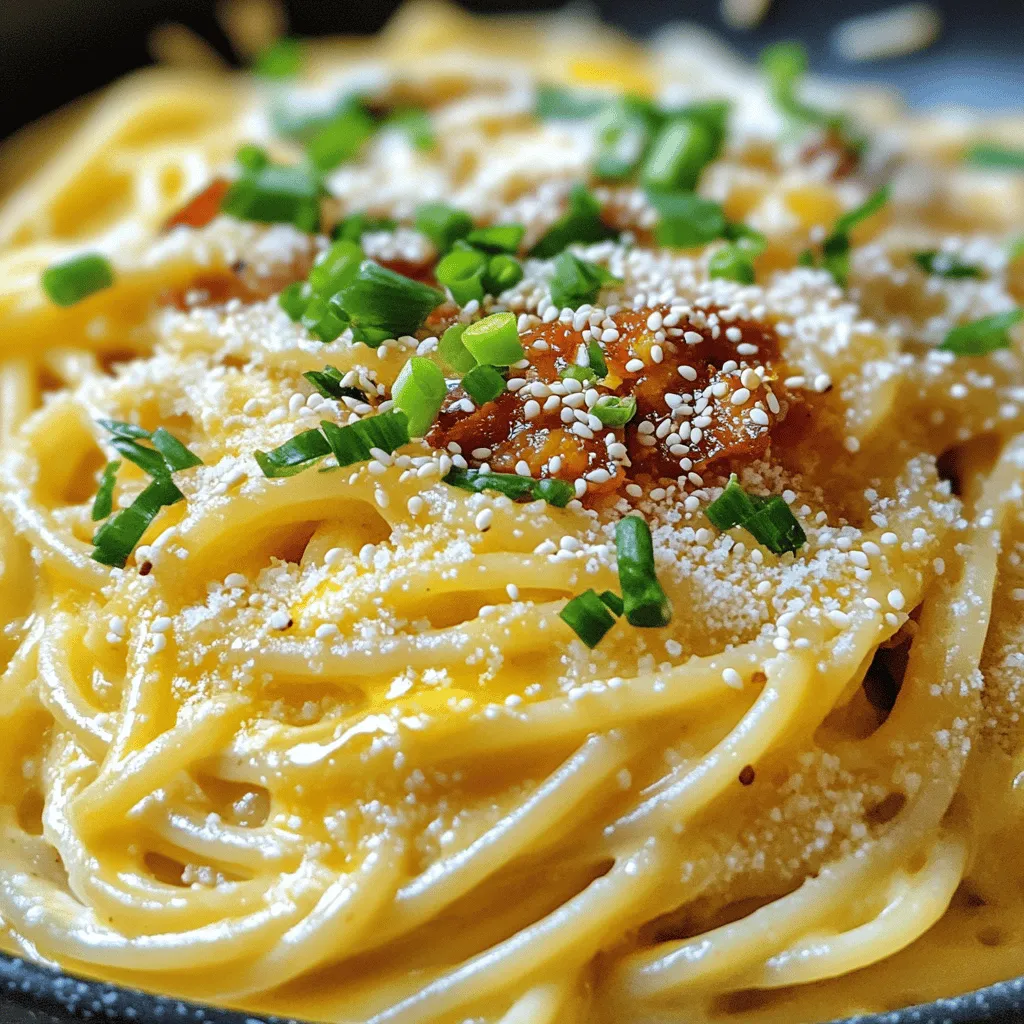
Gochujang Carbonara Flavorful Spicy Twist Recipe
![- 8 oz spaghetti or fettuccine - 3 large egg yolks - 1 whole egg - 1/2 cup finely grated Parmesan cheese - 1 tablespoon gochujang - 2 cloves garlic, minced - 1 tablespoon olive oil - 4 oz pancetta or diced turkey bacon (optional) - Salt and freshly cracked black pepper - Chopped green onions (for garnish) - Sesame seeds (for garnish) Gather these ingredients before you start cooking. This will make your process smooth and fun. The star of this dish is gochujang. It adds a deep heat and unique flavor. The creamy sauce comes from the eggs and cheese. The garlic and olive oil offer a nice aroma. If you want a meat option, use pancetta or turkey bacon. - Large pot - Medium mixing bowl - Large skillet - Tongs You need a large pot to boil the pasta. A medium mixing bowl helps mix the egg and cheese. The large skillet cooks the garlic and meat. Tongs are key to tossing your pasta with the sauce. Having the right tools makes cooking easier and more enjoyable. - Calories per serving: about 500 - Protein: 20g - Fat: 25g - Carbohydrates: 50g This dish is rich and filling. The calories come from the pasta, eggs, and cheese. It packs a good protein punch from the eggs and cheese. Enjoy it as a main meal or share it with a friend. For more details, check the Full Recipe for serving sizes and more tips. - Bring a large pot of salted water to a boil. - Cook spaghetti or fettuccine until al dente, about 8-10 minutes. First, salt the water. This helps the pasta taste great. When it boils, add the pasta. Stir it often. Before draining, save one cup of pasta water. This water helps make the sauce creamy later. - Whisk together egg yolks, whole egg, Parmesan, gochujang, and seasonings. - Heat olive oil and sauté garlic. In a medium bowl, mix the egg yolks, whole egg, and finely grated Parmesan cheese. Add gochujang and a pinch of salt and pepper. Whisk until it looks smooth. Heat olive oil in a skillet over medium heat. Add minced garlic. Sauté it for about 30 seconds. Watch for it to smell great and turn golden. - Cook pancetta or turkey bacon if using. - Toss drained pasta with garlic oil. - Mix in egg and gochujang mixture off the heat. If you want meat, add pancetta or turkey bacon now. Cook it until it is crispy, about 3-4 minutes. Then, toss the drained pasta into the skillet. Mix it well with the garlic oil. Off the heat, pour the egg and gochujang mixture over the hot pasta. Use tongs to toss it. The heat will cook the eggs gently, making a creamy sauce. Slowly add the reserved pasta water until the sauce is creamy and smooth. Taste and add more salt or pepper if you need to. Plate your Gochujang Carbonara right away. Enjoy the spicy twist! For the full recipe, check out the detailed steps and tips. To achieve a creamy sauce, start with room temperature eggs. Cold eggs can make the sauce clumpy. Whisk the yolks and the whole egg together well. This creates a smooth base. When you combine the egg mixture with the pasta, do it off the heat. The pasta should be hot enough to cook the eggs gently. Toss quickly with tongs. This helps make a rich sauce. If your sauce feels too thick, use reserved pasta water. Add it a little at a time. This water adds starch and helps to loosen the sauce. Keep tossing until you reach your desired creaminess. To boost the flavor, try adding spices. A pinch of red pepper flakes can add heat. Fresh herbs like parsley or basil can bring brightness. These small changes can really lift your dish. You can also experiment with different cheese. Pecorino Romano adds a sharp flavor. A mix of Parmesan and Pecorino can give you a nice depth. Use what you like best for a personal touch. One big mistake is overcooking the pasta. Al dente is best, as it will cook a bit more in the sauce. Always check the package time and taste a strand. Another mistake is scrambling the eggs. Keep the heat low when mixing the egg and pasta. If the skillet is too hot, the eggs will cook too fast. You want a creamy sauce, not scrambled eggs. {{image_4}} You can make a great vegetarian version of gochujang carbonara. Start by replacing the pancetta. Use mushrooms instead. They add a nice umami flavor. You can use shiitake or cremini mushrooms for this. Just sauté them in olive oil until they are golden and tender. Next, add seasonal vegetables. Think spinach, zucchini, or asparagus. They brighten up the dish and add color. Just toss them in the skillet with the garlic. This adds flavor and nutrition. Want more heat? You can increase the gochujang. Adding a little more will make it extra spicy. Just be careful! Start small and taste as you go. If you want to add other spices, try crushed red pepper flakes. They bring another layer of heat and flavor. Do you need a gluten-free option? You can easily swap out regular pasta for gluten-free pasta. There are many good brands available now. They work well in this recipe. You can also explore other noodle types. Try rice noodles or soba noodles. Each option gives a unique twist to the dish. They can bring different textures and flavors, making it fun to try new things. To keep your Gochujang Carbonara fresh, store it in an airtight container. Place the container in the fridge. Make sure to cool the pasta to room temperature before sealing. This helps prevent moisture buildup. Leftovers last about 3 days in the fridge. The best way to reheat carbonara is on the stove. Add a splash of water or broth to a skillet. Heat it over low to medium heat. Stir gently until warm. This keeps the sauce creamy and smooth. Avoid using the microwave, as it can dry out the pasta. You can freeze carbonara, but it may change texture. To freeze, place cooled portions in freezer-safe bags. Remove as much air as possible before sealing. For best taste, eat it within 1 month. When ready to eat, thaw it in the fridge overnight. Reheat gently on the stove with added liquid. This helps restore some of the creaminess. For the full recipe, check out the details above. Gochujang is a Korean chili paste. It has a deep red color. This paste is made from fermented soybeans, glutinous rice, and chili powder. Its flavor is sweet, spicy, and umami-rich. Gochujang adds a unique kick to many dishes. You can find it in Asian markets and some grocery stores. Yes, you can prep this dish ahead of time. Cook the pasta and store it in the fridge. Keep the sauce separate, so it stays creamy. When you are ready to eat, heat the pasta and mix in the sauce. This way, you enjoy fresh, tasty carbonara. If you lack pancetta, try turkey bacon or diced ham. For a vegetarian option, use mushrooms. Sauté them until golden and add them to the dish. You can also use smoked tofu for a plant-based protein. To make it milder, use less gochujang. You can start with half a tablespoon and taste it. If you want more heat, add a little more gochujang or some red pepper flakes. Adjust slowly until it meets your preference. For the complete steps and extra tips for making Gochujang Carbonara, click here: [Full Recipe]. This blog post covered how to make Gochujang Carbonara, from ingredients to storage tips. You learned about choosing the right pasta, creating a creamy sauce, and avoiding common cooking mistakes. No matter your taste, you can try variations like vegetarian options. Always store leftovers correctly to enjoy them later. Remember, cooking is fun, so feel free to experiment with flavors! Enjoy your delicious meal and impress others with your skills!](https://fastmealmate.com/wp-content/uploads/2025/06/8ba01260-66cf-4de4-8766-bae4801448e1.webp)
Want to spice up your dinner routine? Try my Gochujang Carbonara for a flavorful twist! This dish pairs the creamy Italian classic with the bold heat of Korean gochujang. You’ll enjoy a simple method and easy-to-find ingredients that create a fun fusion of flavors. Ready to impress your taste buds? Let’s dive into this spicy recipe that’s sure to become a new favorite!
Ingredients
List of Ingredients
– 8 oz spaghetti or fettuccine
– 3 large egg yolks
– 1 whole egg
– 1/2 cup finely grated Parmesan cheese
– 1 tablespoon gochujang
– 2 cloves garlic, minced
– 1 tablespoon olive oil
– 4 oz pancetta or diced turkey bacon (optional)
– Salt and freshly cracked black pepper
– Chopped green onions (for garnish)
– Sesame seeds (for garnish)
Gather these ingredients before you start cooking. This will make your process smooth and fun. The star of this dish is gochujang. It adds a deep heat and unique flavor. The creamy sauce comes from the eggs and cheese. The garlic and olive oil offer a nice aroma. If you want a meat option, use pancetta or turkey bacon.
Cooking Equipment
– Large pot
– Medium mixing bowl
– Large skillet
– Tongs
You need a large pot to boil the pasta. A medium mixing bowl helps mix the egg and cheese. The large skillet cooks the garlic and meat. Tongs are key to tossing your pasta with the sauce. Having the right tools makes cooking easier and more enjoyable.
Nutritional Information
– Calories per serving: about 500
– Protein: 20g
– Fat: 25g
– Carbohydrates: 50g
This dish is rich and filling. The calories come from the pasta, eggs, and cheese. It packs a good protein punch from the eggs and cheese. Enjoy it as a main meal or share it with a friend.
Step-by-Step Instructions
Cooking the Pasta
– Bring a large pot of salted water to a boil.
– Cook spaghetti or fettuccine until al dente, about 8-10 minutes.
First, salt the water. This helps the pasta taste great. When it boils, add the pasta. Stir it often. Before draining, save one cup of pasta water. This water helps make the sauce creamy later.
Preparing the Sauce
– Whisk together egg yolks, whole egg, Parmesan, gochujang, and seasonings.
– Heat olive oil and sauté garlic.
In a medium bowl, mix the egg yolks, whole egg, and finely grated Parmesan cheese. Add gochujang and a pinch of salt and pepper. Whisk until it looks smooth. Heat olive oil in a skillet over medium heat. Add minced garlic. Sauté it for about 30 seconds. Watch for it to smell great and turn golden.
Combining Ingredients
– Cook pancetta or turkey bacon if using.
– Toss drained pasta with garlic oil.
– Mix in egg and gochujang mixture off the heat.
If you want meat, add pancetta or turkey bacon now. Cook it until it is crispy, about 3-4 minutes. Then, toss the drained pasta into the skillet. Mix it well with the garlic oil. Off the heat, pour the egg and gochujang mixture over the hot pasta. Use tongs to toss it. The heat will cook the eggs gently, making a creamy sauce. Slowly add the reserved pasta water until the sauce is creamy and smooth. Taste and add more salt or pepper if you need to.
Plate your Gochujang Carbonara right away. Enjoy the spicy twist!
Tips & Tricks
Perfecting the Carbonara Texture
To achieve a creamy sauce, start with room temperature eggs. Cold eggs can make the sauce clumpy. Whisk the yolks and the whole egg together well. This creates a smooth base.
When you combine the egg mixture with the pasta, do it off the heat. The pasta should be hot enough to cook the eggs gently. Toss quickly with tongs. This helps make a rich sauce.
If your sauce feels too thick, use reserved pasta water. Add it a little at a time. This water adds starch and helps to loosen the sauce. Keep tossing until you reach your desired creaminess.
Flavor Enhancements
To boost the flavor, try adding spices. A pinch of red pepper flakes can add heat. Fresh herbs like parsley or basil can bring brightness. These small changes can really lift your dish.
You can also experiment with different cheese. Pecorino Romano adds a sharp flavor. A mix of Parmesan and Pecorino can give you a nice depth. Use what you like best for a personal touch.
Common Mistakes to Avoid
One big mistake is overcooking the pasta. Al dente is best, as it will cook a bit more in the sauce. Always check the package time and taste a strand.
Another mistake is scrambling the eggs. Keep the heat low when mixing the egg and pasta. If the skillet is too hot, the eggs will cook too fast. You want a creamy sauce, not scrambled eggs.
Variations
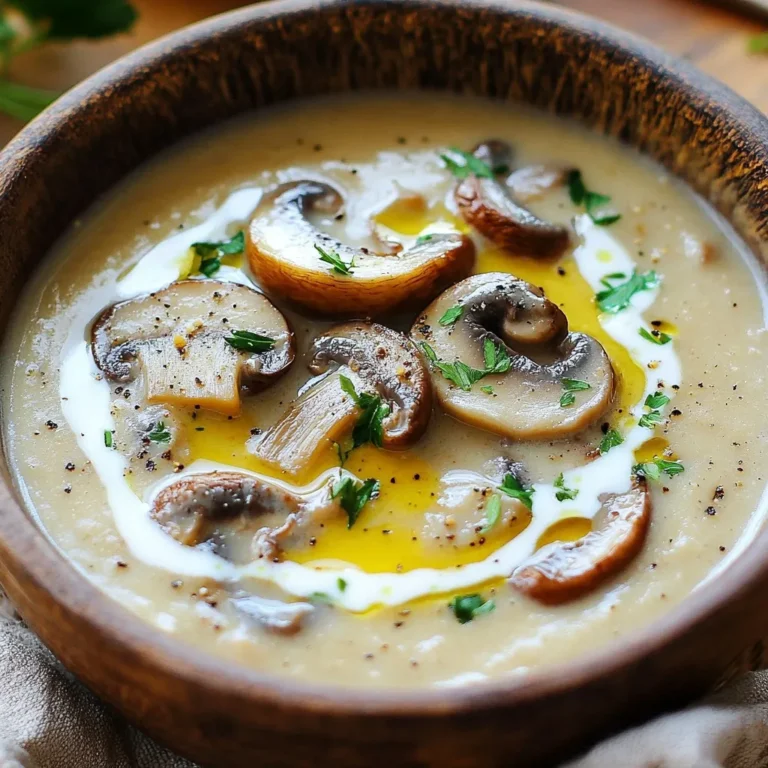
Vegetarian Gochujang Carbonara
You can make a great vegetarian version of gochujang carbonara. Start by replacing the pancetta. Use mushrooms instead. They add a nice umami flavor. You can use shiitake or cremini mushrooms for this. Just sauté them in olive oil until they are golden and tender.
Next, add seasonal vegetables. Think spinach, zucchini, or asparagus. They brighten up the dish and add color. Just toss them in the skillet with the garlic. This adds flavor and nutrition.
Spicing it Up
Want more heat? You can increase the gochujang. Adding a little more will make it extra spicy. Just be careful! Start small and taste as you go. If you want to add other spices, try crushed red pepper flakes. They bring another layer of heat and flavor.
Alternative Pasta Options
Do you need a gluten-free option? You can easily swap out regular pasta for gluten-free pasta. There are many good brands available now. They work well in this recipe.
You can also explore other noodle types. Try rice noodles or soba noodles. Each option gives a unique twist to the dish. They can bring different textures and flavors, making it fun to try new things.
Storage Info
Storing Leftovers
To keep your Gochujang Carbonara fresh, store it in an airtight container. Place the container in the fridge. Make sure to cool the pasta to room temperature before sealing. This helps prevent moisture buildup. Leftovers last about 3 days in the fridge.
Reheating Instructions
The best way to reheat carbonara is on the stove. Add a splash of water or broth to a skillet. Heat it over low to medium heat. Stir gently until warm. This keeps the sauce creamy and smooth. Avoid using the microwave, as it can dry out the pasta.
Freezing Carbonara
You can freeze carbonara, but it may change texture. To freeze, place cooled portions in freezer-safe bags. Remove as much air as possible before sealing. For best taste, eat it within 1 month. When ready to eat, thaw it in the fridge overnight. Reheat gently on the stove with added liquid. This helps restore some of the creaminess.
FAQs
What is Gochujang?
Gochujang is a Korean chili paste. It has a deep red color. This paste is made from fermented soybeans, glutinous rice, and chili powder. Its flavor is sweet, spicy, and umami-rich. Gochujang adds a unique kick to many dishes. You can find it in Asian markets and some grocery stores.
Can I make this dish in advance?
Yes, you can prep this dish ahead of time. Cook the pasta and store it in the fridge. Keep the sauce separate, so it stays creamy. When you are ready to eat, heat the pasta and mix in the sauce. This way, you enjoy fresh, tasty carbonara.
What can I substitute if I don’t have pancetta?
If you lack pancetta, try turkey bacon or diced ham. For a vegetarian option, use mushrooms. Sauté them until golden and add them to the dish. You can also use smoked tofu for a plant-based protein.
How can I adjust the heat level?
To make it milder, use less gochujang. You can start with half a tablespoon and taste it. If you want more heat, add a little more gochujang or some red pepper flakes. Adjust slowly until it meets your preference.
This blog post covered how to make Gochujang Carbonara, from ingredients to storage tips. You learned about choosing the right pasta, creating a creamy sauce, and avoiding common cooking mistakes. No matter your taste, you can try variations like vegetarian options. Always store leftovers correctly to enjoy them later. Remember, cooking is fun, so feel free to experiment with flavors! Enjoy your delicious meal and impress others with your skills!
![- 8 oz spaghetti or fettuccine - 3 large egg yolks - 1 whole egg - 1/2 cup finely grated Parmesan cheese - 1 tablespoon gochujang - 2 cloves garlic, minced - 1 tablespoon olive oil - 4 oz pancetta or diced turkey bacon (optional) - Salt and freshly cracked black pepper - Chopped green onions (for garnish) - Sesame seeds (for garnish) Gather these ingredients before you start cooking. This will make your process smooth and fun. The star of this dish is gochujang. It adds a deep heat and unique flavor. The creamy sauce comes from the eggs and cheese. The garlic and olive oil offer a nice aroma. If you want a meat option, use pancetta or turkey bacon. - Large pot - Medium mixing bowl - Large skillet - Tongs You need a large pot to boil the pasta. A medium mixing bowl helps mix the egg and cheese. The large skillet cooks the garlic and meat. Tongs are key to tossing your pasta with the sauce. Having the right tools makes cooking easier and more enjoyable. - Calories per serving: about 500 - Protein: 20g - Fat: 25g - Carbohydrates: 50g This dish is rich and filling. The calories come from the pasta, eggs, and cheese. It packs a good protein punch from the eggs and cheese. Enjoy it as a main meal or share it with a friend. For more details, check the Full Recipe for serving sizes and more tips. - Bring a large pot of salted water to a boil. - Cook spaghetti or fettuccine until al dente, about 8-10 minutes. First, salt the water. This helps the pasta taste great. When it boils, add the pasta. Stir it often. Before draining, save one cup of pasta water. This water helps make the sauce creamy later. - Whisk together egg yolks, whole egg, Parmesan, gochujang, and seasonings. - Heat olive oil and sauté garlic. In a medium bowl, mix the egg yolks, whole egg, and finely grated Parmesan cheese. Add gochujang and a pinch of salt and pepper. Whisk until it looks smooth. Heat olive oil in a skillet over medium heat. Add minced garlic. Sauté it for about 30 seconds. Watch for it to smell great and turn golden. - Cook pancetta or turkey bacon if using. - Toss drained pasta with garlic oil. - Mix in egg and gochujang mixture off the heat. If you want meat, add pancetta or turkey bacon now. Cook it until it is crispy, about 3-4 minutes. Then, toss the drained pasta into the skillet. Mix it well with the garlic oil. Off the heat, pour the egg and gochujang mixture over the hot pasta. Use tongs to toss it. The heat will cook the eggs gently, making a creamy sauce. Slowly add the reserved pasta water until the sauce is creamy and smooth. Taste and add more salt or pepper if you need to. Plate your Gochujang Carbonara right away. Enjoy the spicy twist! For the full recipe, check out the detailed steps and tips. To achieve a creamy sauce, start with room temperature eggs. Cold eggs can make the sauce clumpy. Whisk the yolks and the whole egg together well. This creates a smooth base. When you combine the egg mixture with the pasta, do it off the heat. The pasta should be hot enough to cook the eggs gently. Toss quickly with tongs. This helps make a rich sauce. If your sauce feels too thick, use reserved pasta water. Add it a little at a time. This water adds starch and helps to loosen the sauce. Keep tossing until you reach your desired creaminess. To boost the flavor, try adding spices. A pinch of red pepper flakes can add heat. Fresh herbs like parsley or basil can bring brightness. These small changes can really lift your dish. You can also experiment with different cheese. Pecorino Romano adds a sharp flavor. A mix of Parmesan and Pecorino can give you a nice depth. Use what you like best for a personal touch. One big mistake is overcooking the pasta. Al dente is best, as it will cook a bit more in the sauce. Always check the package time and taste a strand. Another mistake is scrambling the eggs. Keep the heat low when mixing the egg and pasta. If the skillet is too hot, the eggs will cook too fast. You want a creamy sauce, not scrambled eggs. {{image_4}} You can make a great vegetarian version of gochujang carbonara. Start by replacing the pancetta. Use mushrooms instead. They add a nice umami flavor. You can use shiitake or cremini mushrooms for this. Just sauté them in olive oil until they are golden and tender. Next, add seasonal vegetables. Think spinach, zucchini, or asparagus. They brighten up the dish and add color. Just toss them in the skillet with the garlic. This adds flavor and nutrition. Want more heat? You can increase the gochujang. Adding a little more will make it extra spicy. Just be careful! Start small and taste as you go. If you want to add other spices, try crushed red pepper flakes. They bring another layer of heat and flavor. Do you need a gluten-free option? You can easily swap out regular pasta for gluten-free pasta. There are many good brands available now. They work well in this recipe. You can also explore other noodle types. Try rice noodles or soba noodles. Each option gives a unique twist to the dish. They can bring different textures and flavors, making it fun to try new things. To keep your Gochujang Carbonara fresh, store it in an airtight container. Place the container in the fridge. Make sure to cool the pasta to room temperature before sealing. This helps prevent moisture buildup. Leftovers last about 3 days in the fridge. The best way to reheat carbonara is on the stove. Add a splash of water or broth to a skillet. Heat it over low to medium heat. Stir gently until warm. This keeps the sauce creamy and smooth. Avoid using the microwave, as it can dry out the pasta. You can freeze carbonara, but it may change texture. To freeze, place cooled portions in freezer-safe bags. Remove as much air as possible before sealing. For best taste, eat it within 1 month. When ready to eat, thaw it in the fridge overnight. Reheat gently on the stove with added liquid. This helps restore some of the creaminess. For the full recipe, check out the details above. Gochujang is a Korean chili paste. It has a deep red color. This paste is made from fermented soybeans, glutinous rice, and chili powder. Its flavor is sweet, spicy, and umami-rich. Gochujang adds a unique kick to many dishes. You can find it in Asian markets and some grocery stores. Yes, you can prep this dish ahead of time. Cook the pasta and store it in the fridge. Keep the sauce separate, so it stays creamy. When you are ready to eat, heat the pasta and mix in the sauce. This way, you enjoy fresh, tasty carbonara. If you lack pancetta, try turkey bacon or diced ham. For a vegetarian option, use mushrooms. Sauté them until golden and add them to the dish. You can also use smoked tofu for a plant-based protein. To make it milder, use less gochujang. You can start with half a tablespoon and taste it. If you want more heat, add a little more gochujang or some red pepper flakes. Adjust slowly until it meets your preference. For the complete steps and extra tips for making Gochujang Carbonara, click here: [Full Recipe]. This blog post covered how to make Gochujang Carbonara, from ingredients to storage tips. You learned about choosing the right pasta, creating a creamy sauce, and avoiding common cooking mistakes. No matter your taste, you can try variations like vegetarian options. Always store leftovers correctly to enjoy them later. Remember, cooking is fun, so feel free to experiment with flavors! Enjoy your delicious meal and impress others with your skills!](https://fastmealmate.com/wp-content/uploads/2025/06/8ba01260-66cf-4de4-8766-bae4801448e1-300x300.webp)
![To make a tasty Blueberry Peach Crostata, you’ll need a few simple ingredients. Here’s what to gather: - 1 cup fresh blueberries - 2 ripe peaches, diced (about 2 cups) - 1/4 cup granulated sugar - 1 tablespoon freshly squeezed lemon juice - 1 tablespoon cornstarch - 1 teaspoon pure vanilla extract - 1 pre-made pie crust (or homemade for an artisanal touch) - 1 egg, beaten (for gloss and color) - 1 tablespoon unsalted butter, cut into small pieces - A pinch of fine sea salt - Optional: powdered sugar for a final dusting Each ingredient plays a key role in the taste and texture of the crostata. The fresh blueberries and peaches bring sweetness and juiciness. The sugar enhances their natural flavors, while lemon juice adds a bright zing. Cornstarch helps thicken the filling, keeping it from getting too runny. Using vanilla extract adds depth to the fruit, and a pinch of sea salt balances the sweetness. For the crust, you can choose a pre-made option for ease or whip up your own for that homemade touch. The beaten egg gives the edges a lovely golden color, while unsalted butter adds richness. Don’t forget the powdered sugar for a sweet finish on top! Ready to gather these ingredients? You can find the full details in the [Full Recipe]. 1. Preheat the Oven: Start by heating your oven to 375°F (190°C). This step ensures the crostata cooks evenly. 2. Prepare the Baking Sheet: Line a baking sheet with parchment paper. This helps with easy cleanup later. 3. Prepare the Fruit Filling: In a bowl, mix fresh blueberries and diced peaches. Add granulated sugar, lemon juice, cornstarch, vanilla extract, and a pinch of sea salt. Toss gently. Let this mixture rest for about 10 minutes. This helps the flavors blend. 4. Roll Out the Pie Crust: Roll out your pie crust on a floured surface. Aim for a circle about 12 inches wide. If you use a store-bought crust, make sure it is cold for easy handling. 1. Shape the Crostata: Place the rolled crust on your baking sheet. Spoon the fruit mixture into the center, leaving a 2-inch border. 2. Fold the Edges: Carefully fold the crust edges over the filling. Create pleats to give it a rustic look. Make sure some fruit shows at the center. 3. Apply the Egg Wash: Use a pastry brush to coat the crust edges with the beaten egg. This gives it a nice golden color when baked. 4. Dot with Butter: Scatter small pieces of butter over the fruit filling. This adds extra richness during baking. 1. Bake: Place your crostata in the preheated oven. Bake for 30-35 minutes. Look for a golden-brown crust and bubbling filling. 2. Cool Before Serving: Once baked, let the crostata cool on the sheet for 10 minutes. This makes it easier to slice. Dust with powdered sugar if you like, then serve warm or at room temperature. You can find the Full Recipe for more detailed steps and tips. Enjoy your delicious Blueberry Peach Crostata! To create the best crust, start with cold ingredients. This helps the crust stay flaky. Use your fingers to mix the butter into the flour until it looks like coarse crumbs. Do not overwork the dough; handle it gently. Balancing sweetness and acidity is key. Blueberries are sweet, while peaches add a nice tang. Use lemon juice to brighten the flavors. Taste your filling before baking. If it seems too sweet, add a tiny bit of salt. This will balance the flavors better. For a beautiful display, serve slices on a rustic wooden board. Garnish with fresh mint leaves for color. You can also dust the top with powdered sugar for a nice finish. Pair your crostata with a scoop of vanilla ice cream or a dollop of whipped cream. The cold creaminess goes perfectly with the warm fruit filling. You can also try it with a drizzle of honey for an extra touch. If your crust is too soggy, it may need more time in the oven. Check the bottom of the crust to see if it is golden brown. You can also try baking it a few minutes longer. To avoid over-baking, keep an eye on the crostata as it cooks. The crust should be golden and the filling should bubble. If you notice it browning too quickly, cover it lightly with foil. This will help protect it while it finishes baking. For the full recipe, visit the link. {{image_4}} You can switch up the fruits in your crostata. For a fun twist, try using apricots or cherries. Both fruits bring a unique taste. They also pair well with blueberries and peaches. If you need a gluten-free option, use almond flour or a gluten-free pie crust. This keeps your dessert delicious and safe for gluten-sensitive friends. Want to add some extra flavor? Sprinkle in some cinnamon or nutmeg. These spices add warmth and depth to the filling. You can also try fresh herbs like basil or mint. They give a fresh twist that brightens the fruit flavors. When it comes to serving, think outside the box. A drizzle of homemade caramel sauce or a scoop of creamy vanilla ice cream works wonders. For special occasions, serve slices on a beautiful platter. Add fresh mint leaves for color and aroma. Your guests will love the visual and tasty touch! For the complete recipe, check out the Full Recipe section. To keep your blueberry peach crostata fresh, store it in the fridge. First, let it cool completely. Then, cover it with plastic wrap or place it in an airtight container. This helps keep the crust crispy and the filling juicy. You can enjoy it for up to three days. If you want to save it for longer, freezing is a great option. Wrap the crostata tightly in plastic wrap, then in aluminum foil. This method helps prevent freezer burn. You can freeze it for up to three months. When you're ready to eat it, just thaw it in the fridge overnight. To reheat the crostata, the oven is your best friend. Preheat it to 350°F (175°C). Place the crostata on a baking sheet and warm it for about 10-15 minutes. This method keeps the crust nice and flaky. If you want to refresh the flavors, brush a little melted butter on top before reheating. This adds richness and helps the fruit flavors shine. Enjoy your crostata warm for the best taste! Can I make the crostata ahead of time? Yes, you can make the crostata ahead. Prepare the filling and crust separately. Store them in the fridge for a day. When ready, assemble and bake. This keeps the crust fresh. How do I know when the crostata is done baking? Look for a golden brown crust and bubbling filling. A toothpick should slide easily through the crust. If it’s too soft, bake a few more minutes. What’s the difference between a crostata and a galette? A crostata is a rustic pie, often filled with fruit. A galette is similar but usually has a more free-form shape. Both have a flaky crust. They are delicious and easy to make. Can I use frozen fruit in the recipe? Yes, frozen fruit works well. Just thaw and drain excess liquid. This keeps the filling from being too watery. How do I keep the crust from getting soggy? To prevent a soggy crust, sprinkle cornstarch on the bottom before adding fruit. This absorbs extra juices. Bake until the crust is golden for best results. Making the crostata vegan To make a vegan crostata, replace the egg wash with a plant-based milk. Use a vegan pie crust. The filling stays the same, ensuring a tasty dessert. Tips for reducing sugar in the recipe You can cut the sugar by half. Use ripe fruits for natural sweetness. Add a touch of honey or maple syrup if needed. This keeps the flavor balanced and fresh. For the Full Recipe, check the main section. In this post, we covered how to make a delicious fruit crostata with fresh ingredients. You learned about the necessary ingredients, step-by-step instructions, and useful tips for perfecting your dessert. We also explored variations and storage options to extend its life. Now, you’re equipped to create your own stunning crostata. Experiment with flavors and enjoy the praise from family and friends! Your new dessert will impress at any gathering.](https://fastmealmate.com/wp-content/uploads/2025/06/584381ba-fe5e-4dcd-ab97-e37815fc2576-768x768.webp)